Academics & admin
Writers Workshop
Free one-on-one writing help for any student, any kind of writing, in Room 100b of the Main Library (enter through the Orange Room, room 100).
The student guide to Urbana-Champaign, Illinois: where to eat, live and get help, what a year really costs, and the free stuff most students miss.
Source: U.S. Department of Education, College Scorecard.
After grants and scholarships, by family income. Average: $13,042.
Academics & admin
Free one-on-one writing help for any student, any kind of writing, in Room 100b of the Main Library (enter through the Orange Room, room 100).
Career
Current Illinois students get free access to Kaplan's test-prep courses through the state-funded Prepare for Illinois' Future program: log in with…
Getting around
Free bus system for UIUC students with 27 routes across campus, Champaign, and Urbana — just swipe your i-Card.
Housing
Free shopping-style food pantry run by Campus Recreation in the ARC Instructional Kitchen (entrance on the ARC concourse level, 201 E. Peabody Dr.).
Dining halls, quick bites and coffee on campus.
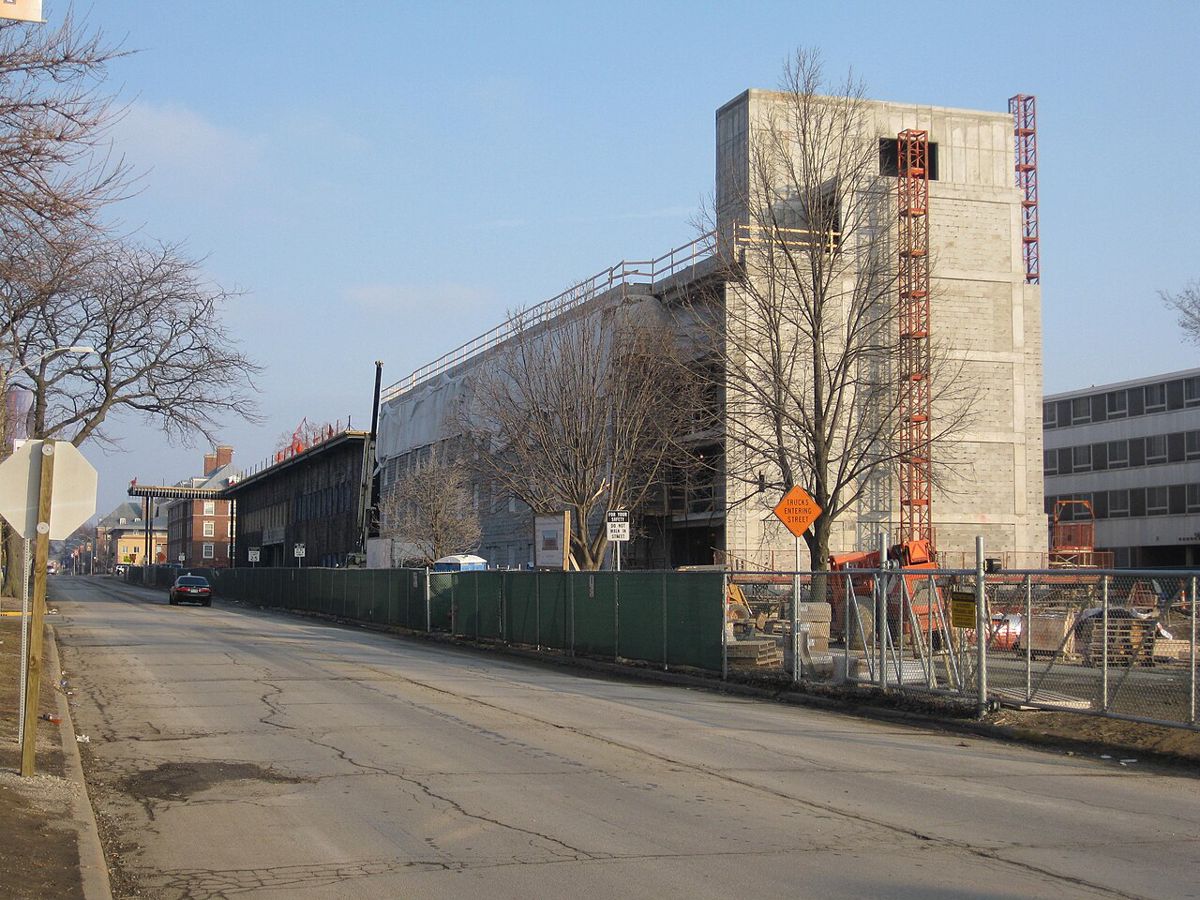
All-you-care-to-eat dining hall on the first floor of the SDRP building in Ikenberry Commons, with seven micro-restaurants.
301 E. Gregory Drive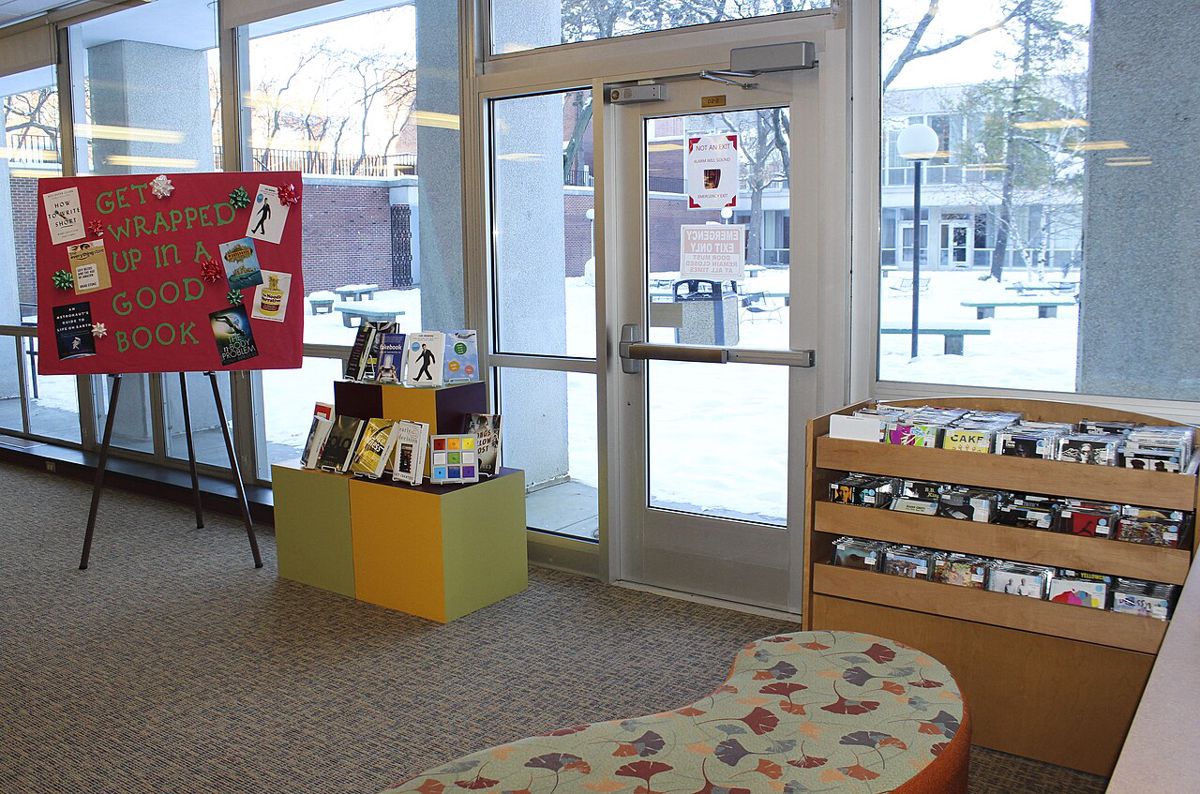
All-you-care-to-eat dining center on the Illinois Street entrance level of the Illinois Street Residence Halls, with eight micro-restaurants.
1010 W. Illinois St.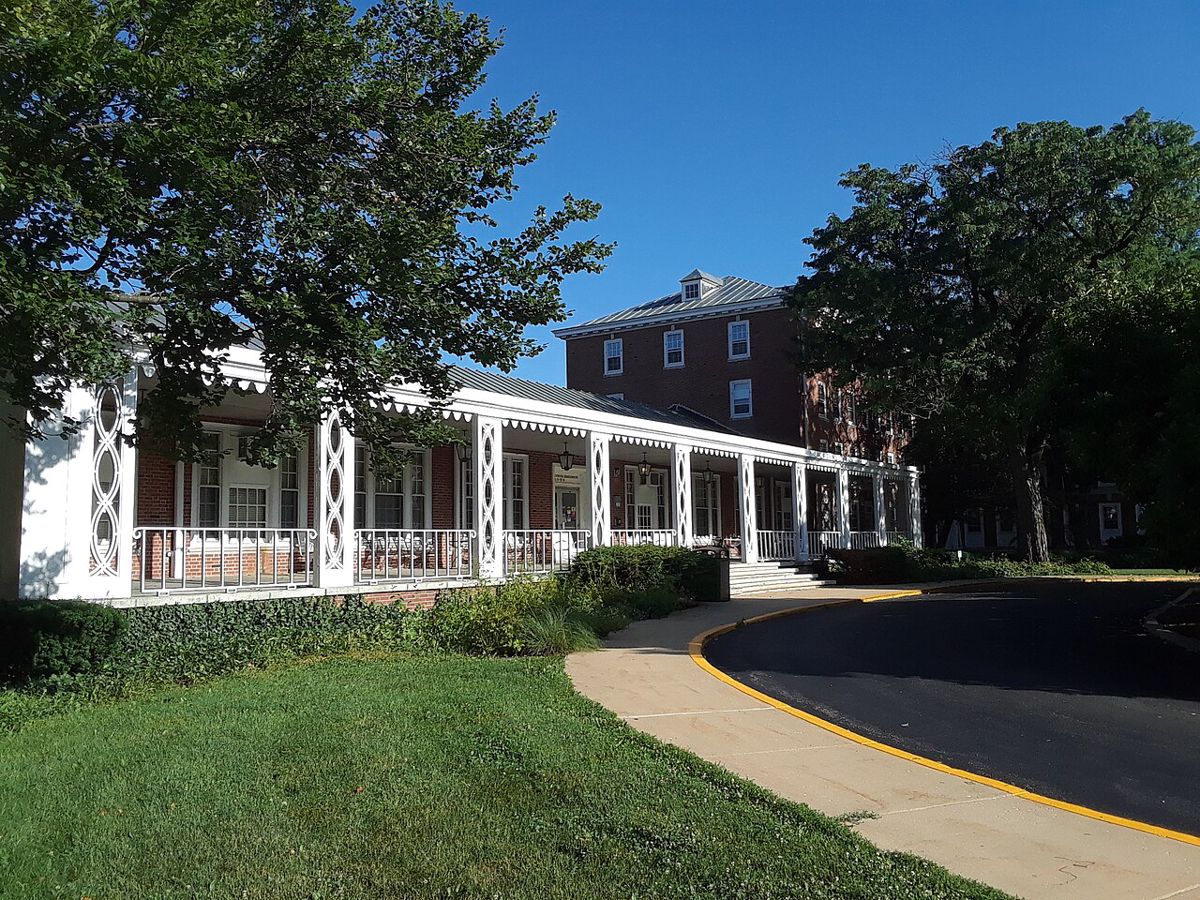
Dining hall downstairs from Allen Hall and LAR (the Illinois app lists it as Lincoln/Allen Dining Hall), home of the campus Kosher Kitchen.
1005 S. Lincoln Ave.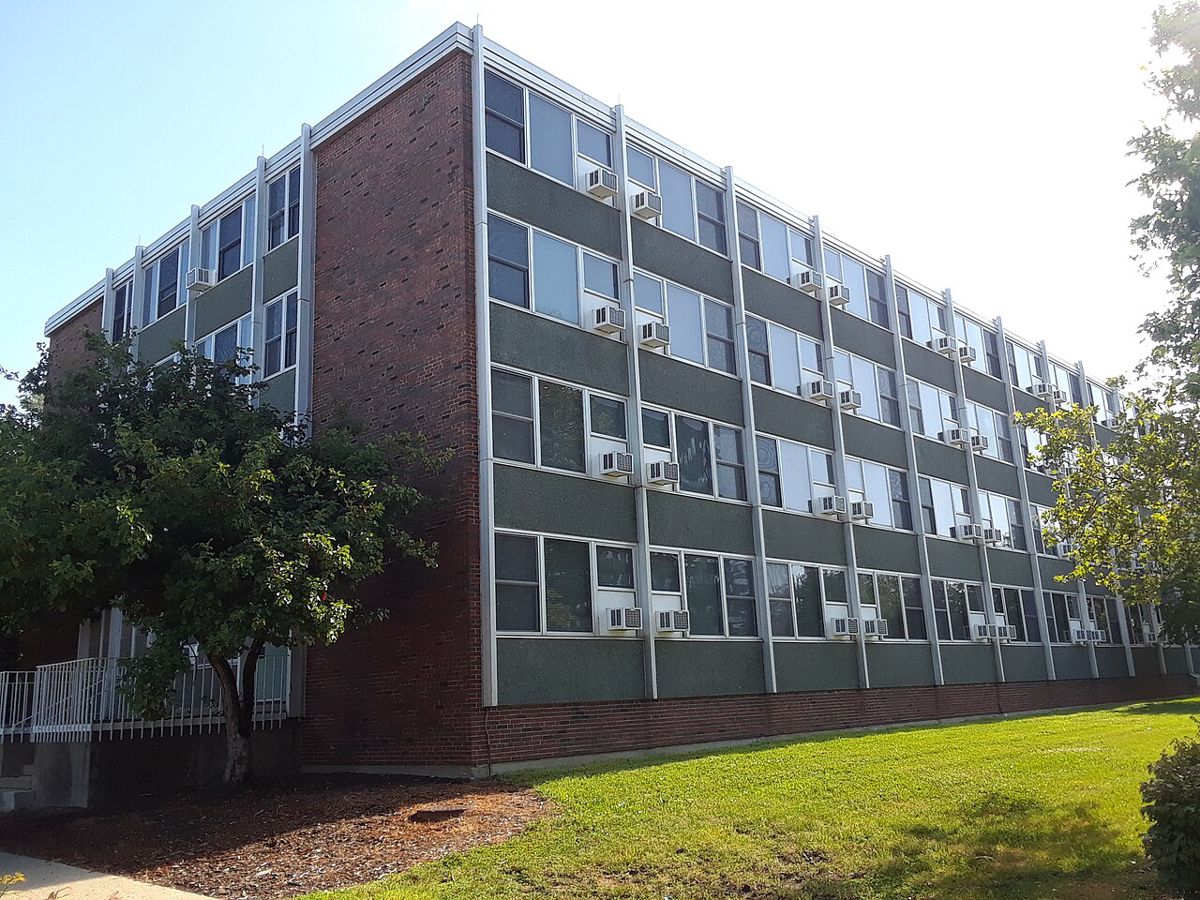
All-you-care-to-eat dining hall on the bottom floor of the Pennsylvania Avenue Residence Halls, with six micro-restaurants.
906 W. College Ct.Free hot and cold meals, no questions asked and no ID required, run by University Housing. Help yourself 10:30 a.m.-8 p.m.
301 E. Gregory Drive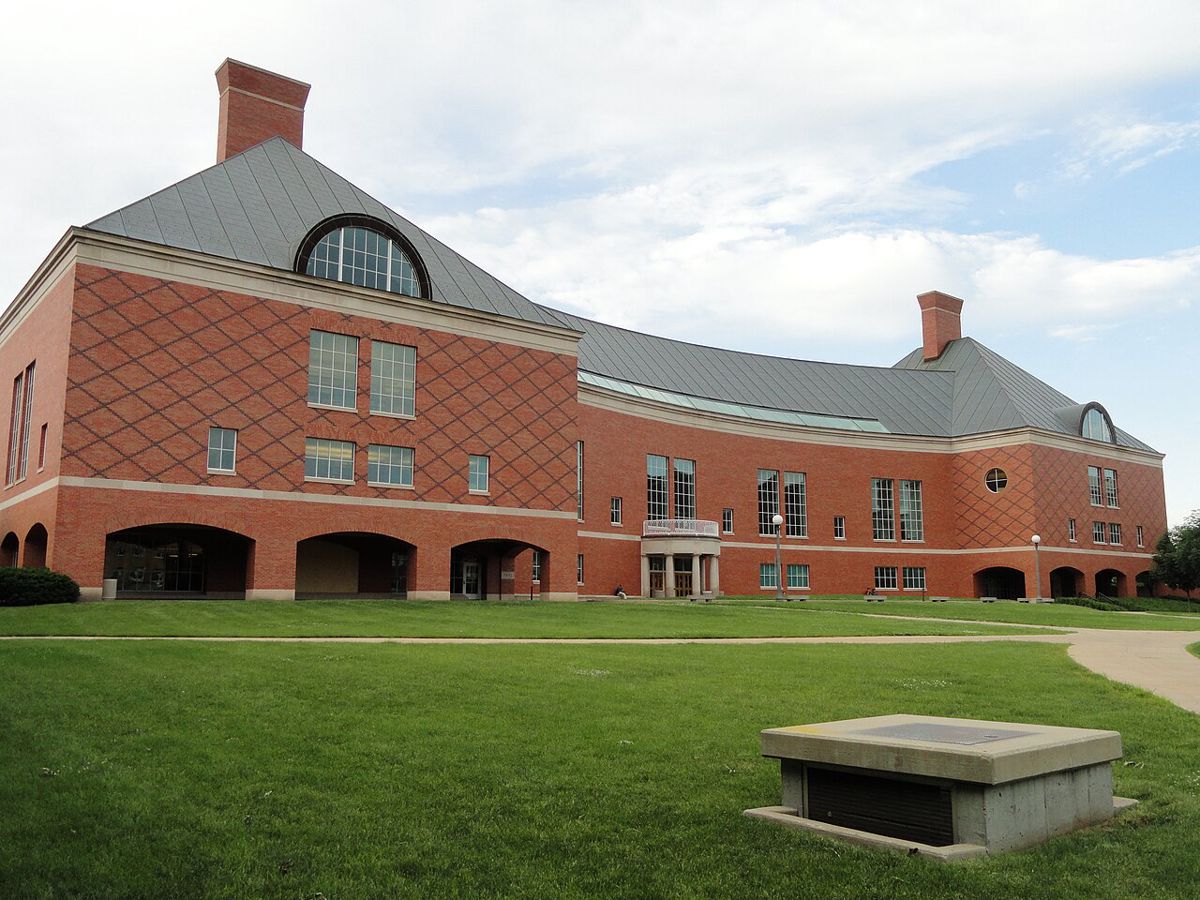
Coffee bar on the second floor of the SDRP building in Ikenberry Commons: pastries, breakfast sandwiches, smoothies, coffee drinks and teas.
301 E. Gregory DriveTea and coffee bar on the first floor of the Illinois Street Residence Halls: hot and iced teas, bubble tea, fresh-squeezed juices, fair-trade coffee…
1010 W. Illinois St.Coffee shop inside the Florida Avenue Residence Halls (FAR): specialty coffee, teas, smoothies, pastries, a featured entree and salads.
Florida Avenue Residence Halls (FAR)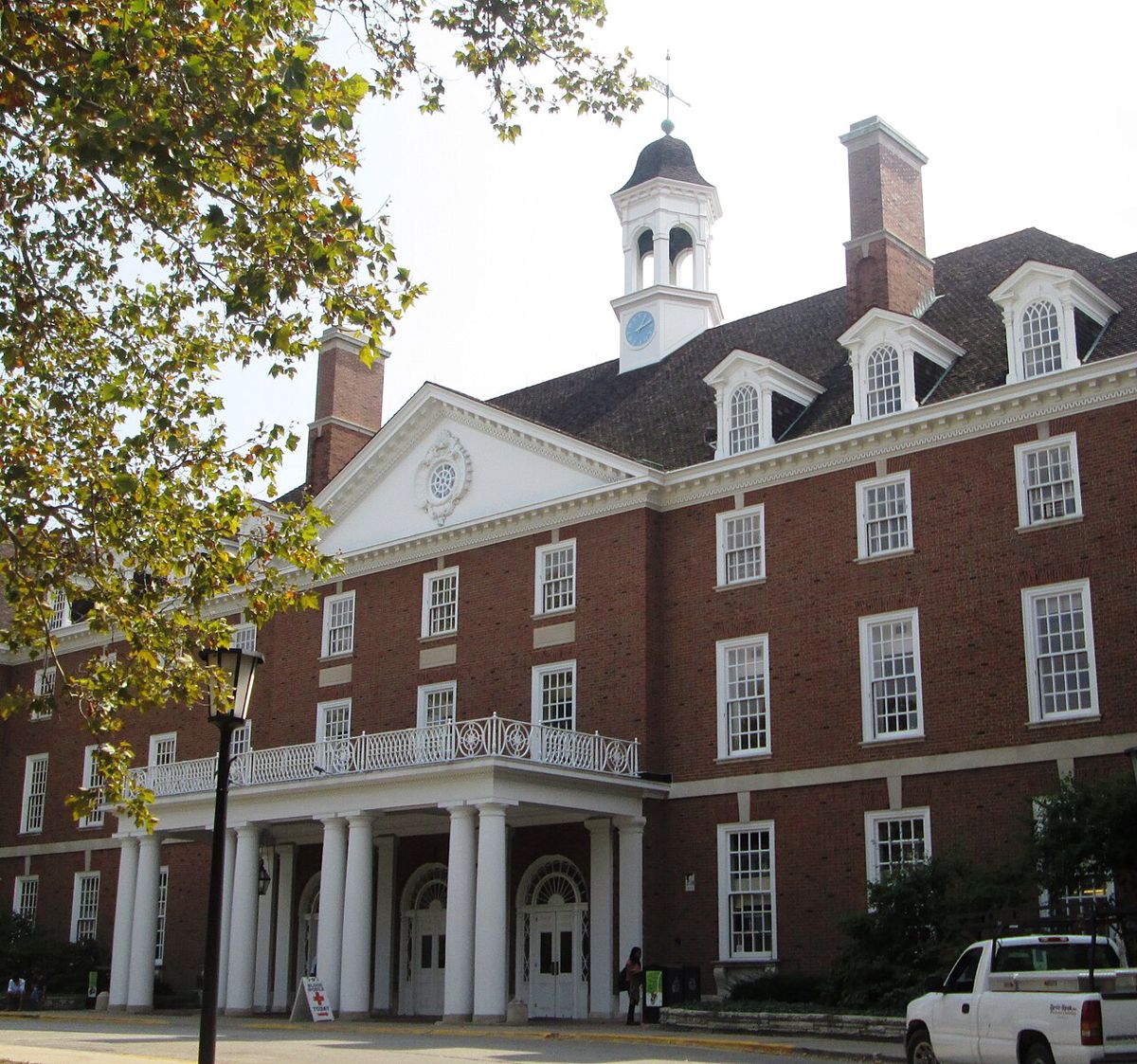
University-owned Starbucks in the Courtyard Cafe on the Illini Union's main level; profits go back to student programs. Fall 2026: 7 a.m.-9 p.m.
1401 W. Green St.Convenience store on the first floor of the SDRP building in Ikenberry Commons: snacks, hot food, supplies and treats priced individually.
301 E. Gregory DriveConvenience store on the first floor of the Illinois Street Residence Halls: snacks, hot food, household and personal supplies.
1010 W. Illinois St.Convenience store on the first floor of the Pennsylvania Avenue Residence Halls (formerly CHOMPS at PAR): snacks, meals, supplies and treats priced…
906 W. College Ct.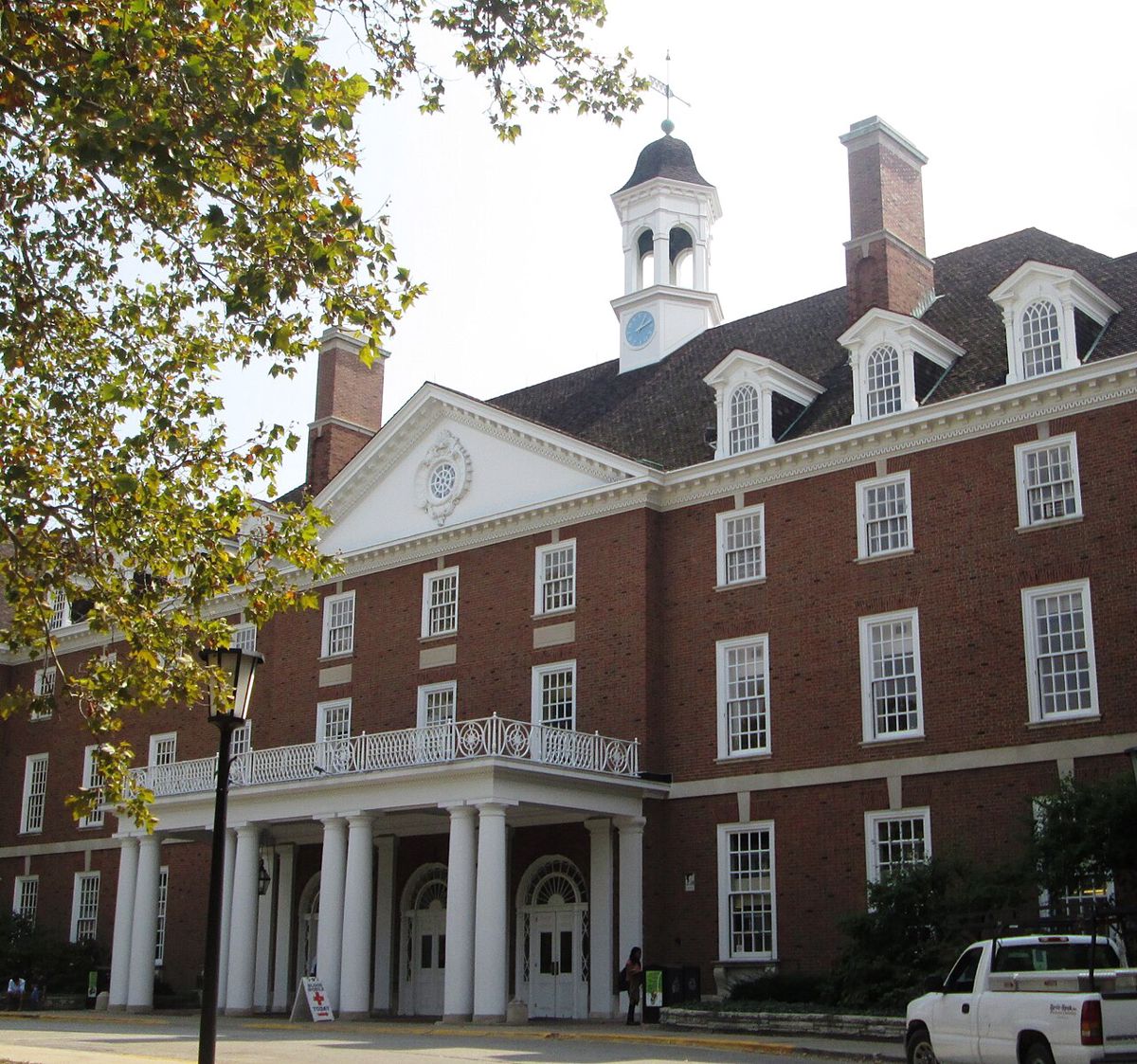
The Illini Union's renovated lower level, The Underground, holds the union's restaurants and social seating.
1401 W. Green St.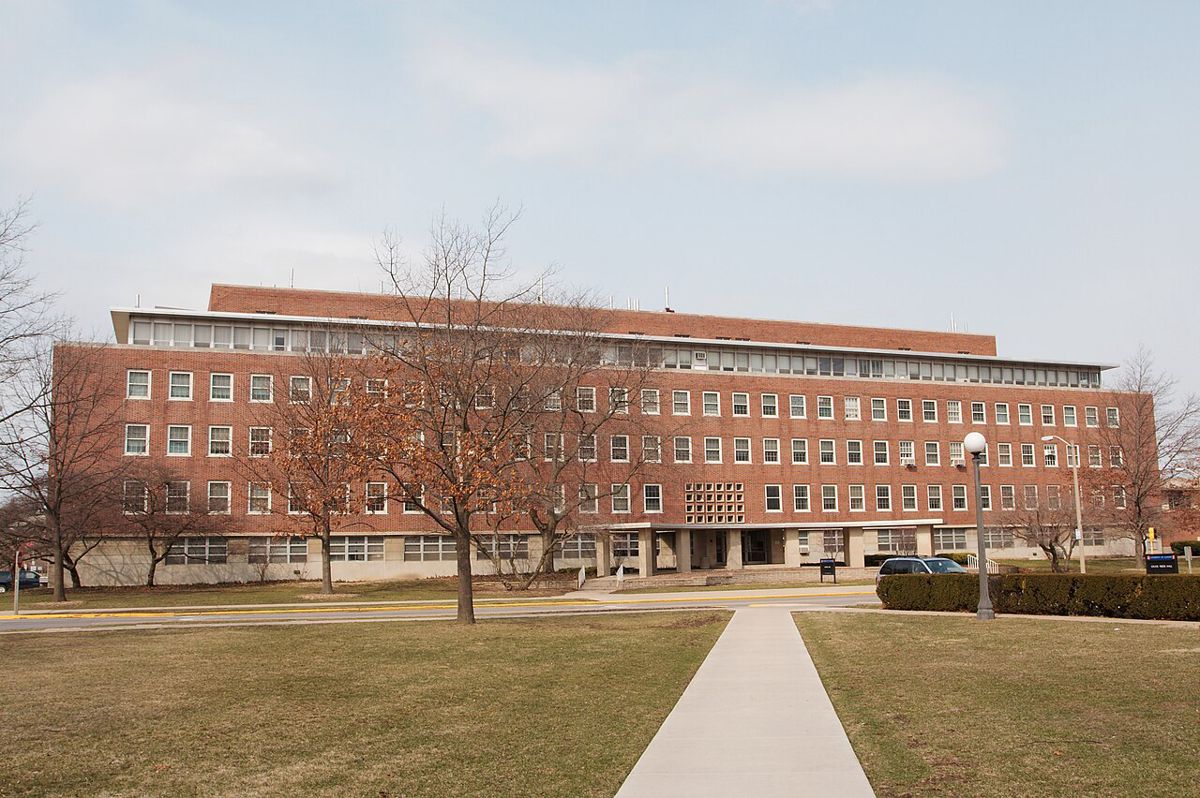
Student-run lunch cafe on the second floor of Bevier Hall, run by the College of ACES. Open 11:30 a.m.-1 p.m.
905 S. Goodwin Ave.Residence halls, apartments and help finding a place.
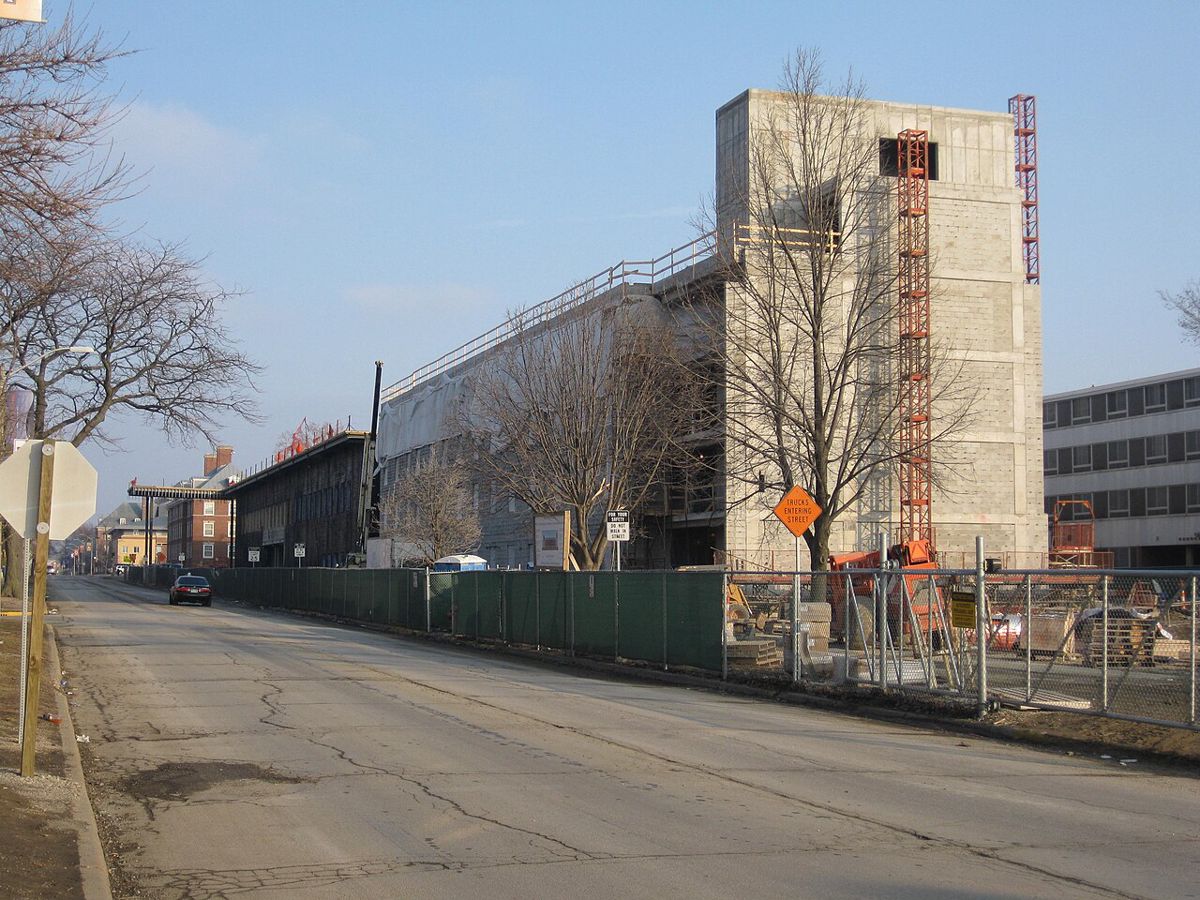
UIUC's largest residential neighborhood with six halls, a dining center, and recreation spaces — popular with freshmen on south campus.
1301 S 1st St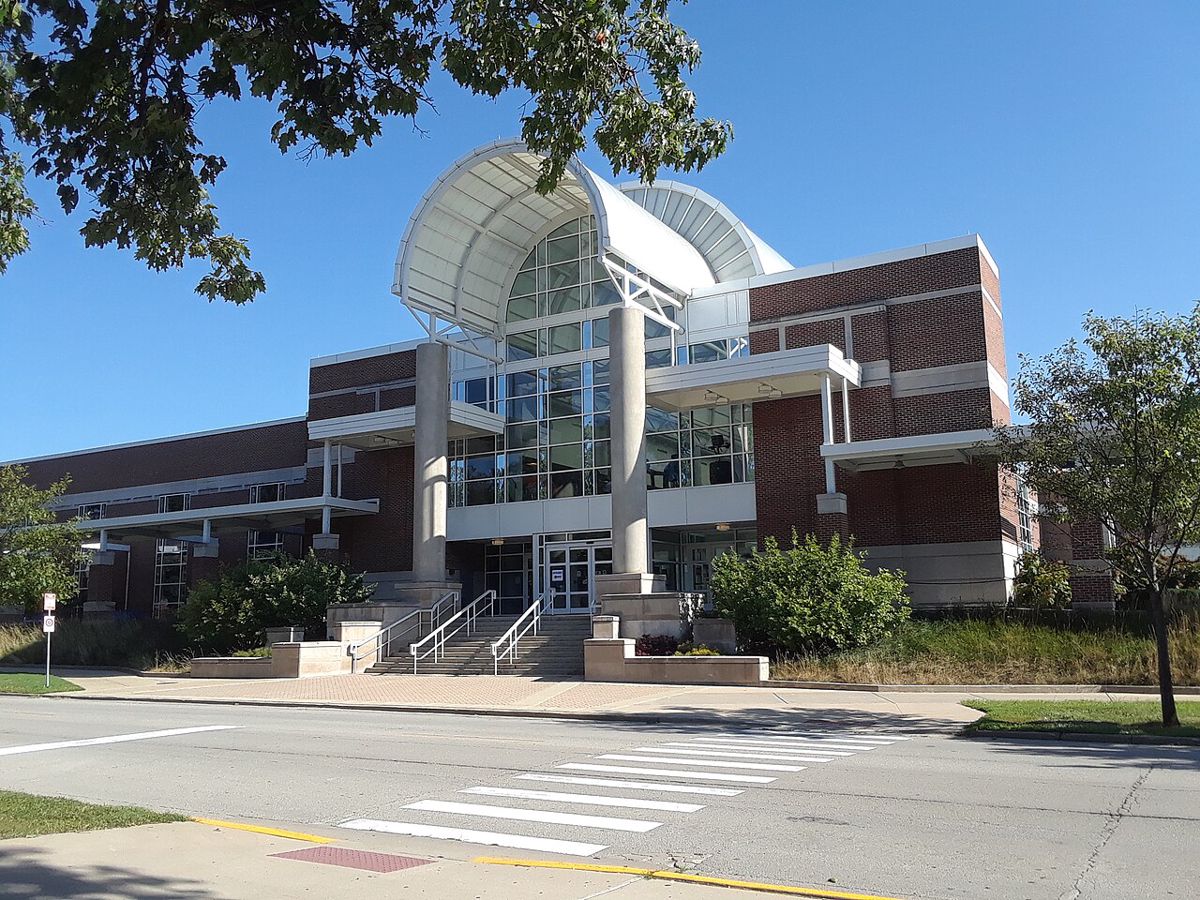
Free shopping-style food pantry run by Campus Recreation in the ARC Instructional Kitchen (entrance on the ARC concourse level, 201 E. Peabody Dr.).
ARC Instructional Kitchen, 201 E. Peabody Dr.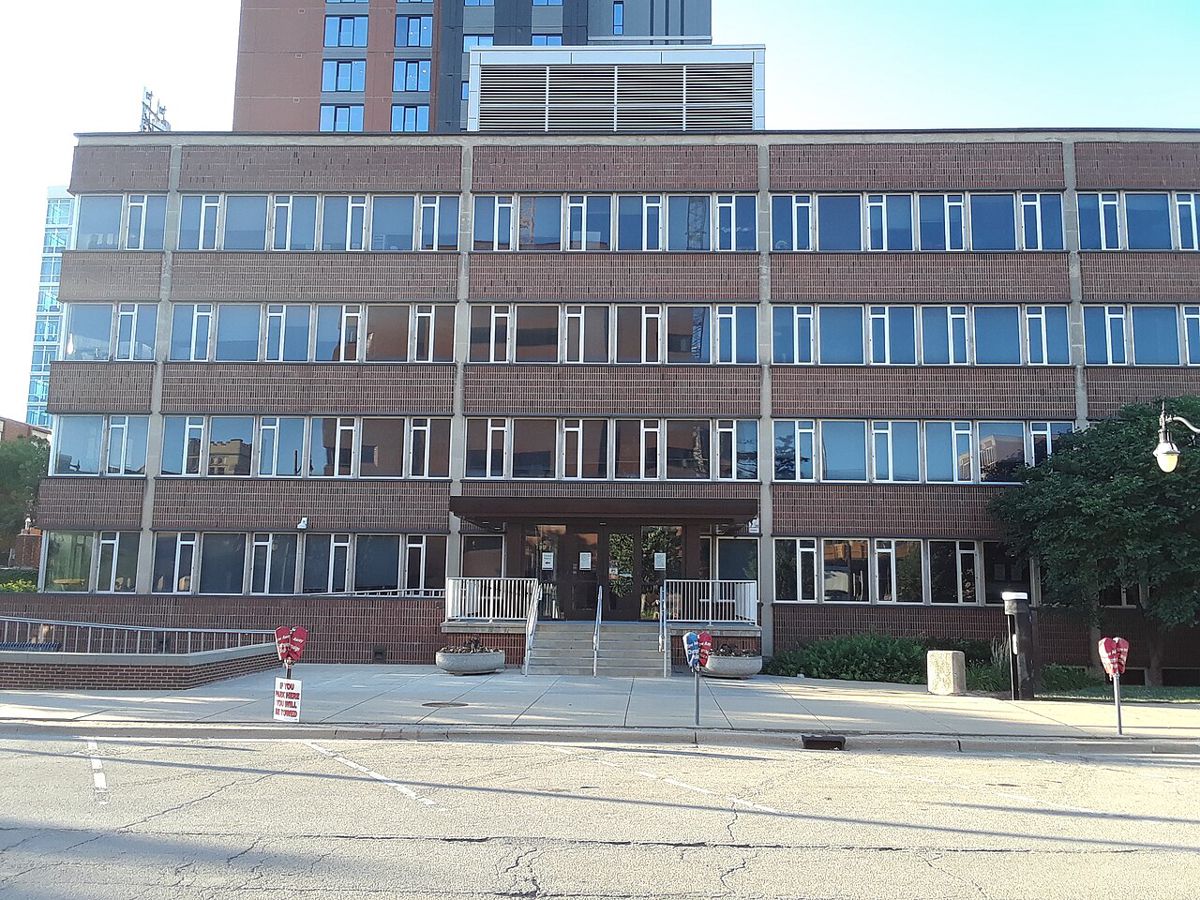
Help finding off-campus housing, understanding leases, tenant rights and subleasing. Walk-in hours.
300 Turner Student Services Building, 610 E. John St.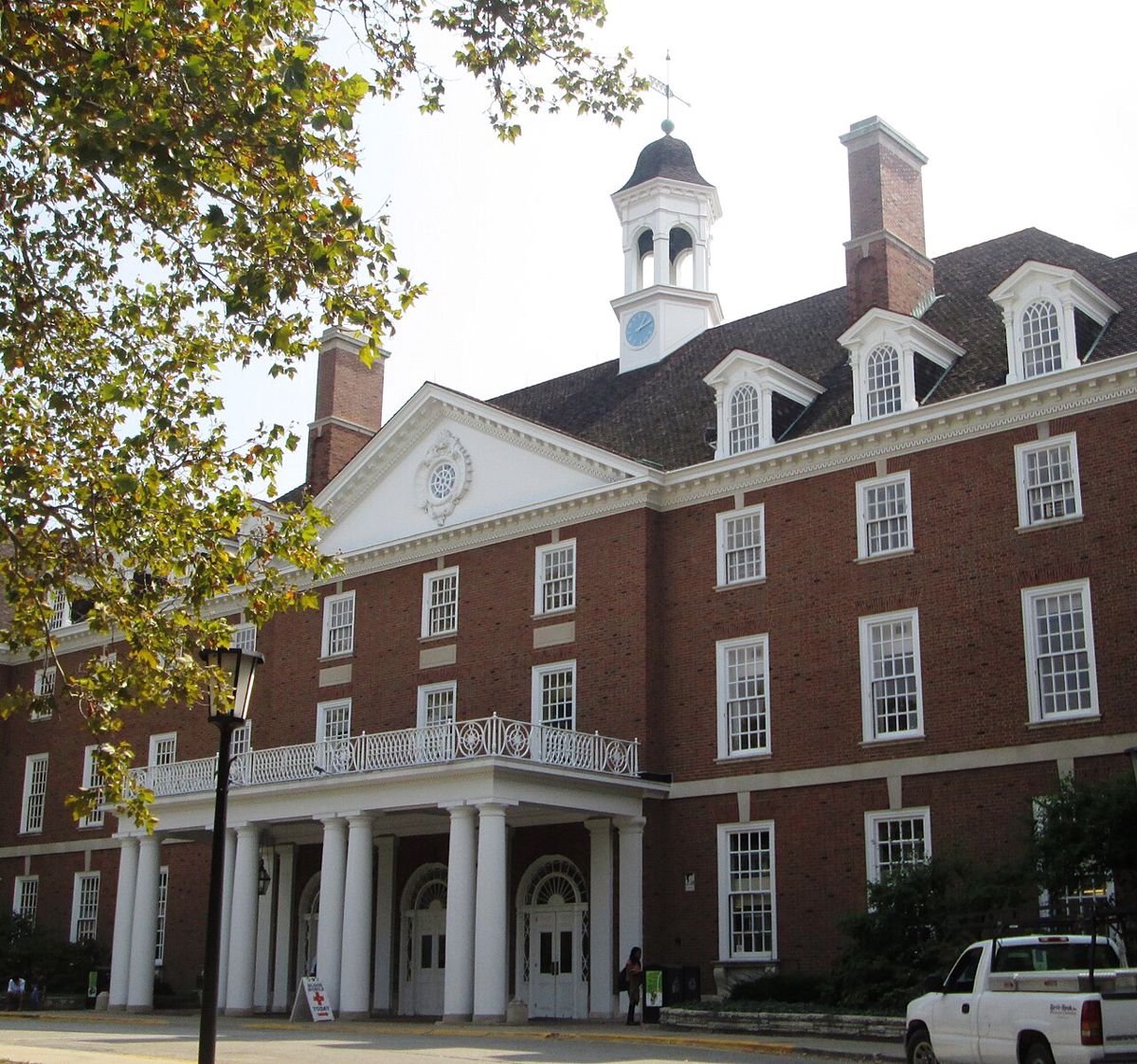
Free attorney advice for enrolled students: leases, landlord disputes and more. Appointment required.
324 Illini Union, 1401 W. Green St.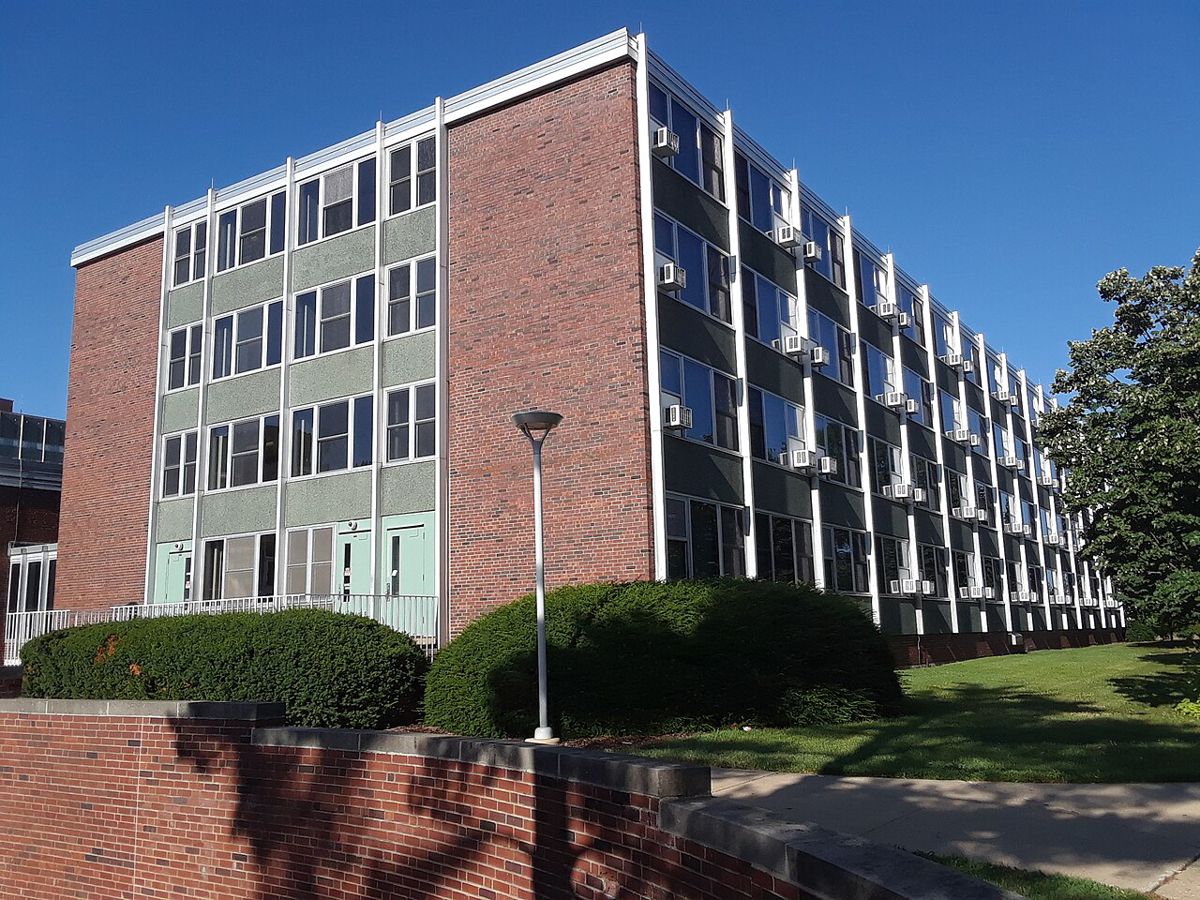
Two connected residence halls on the east side of campus with their own dining halls and a quieter atmosphere.
906 W College Ct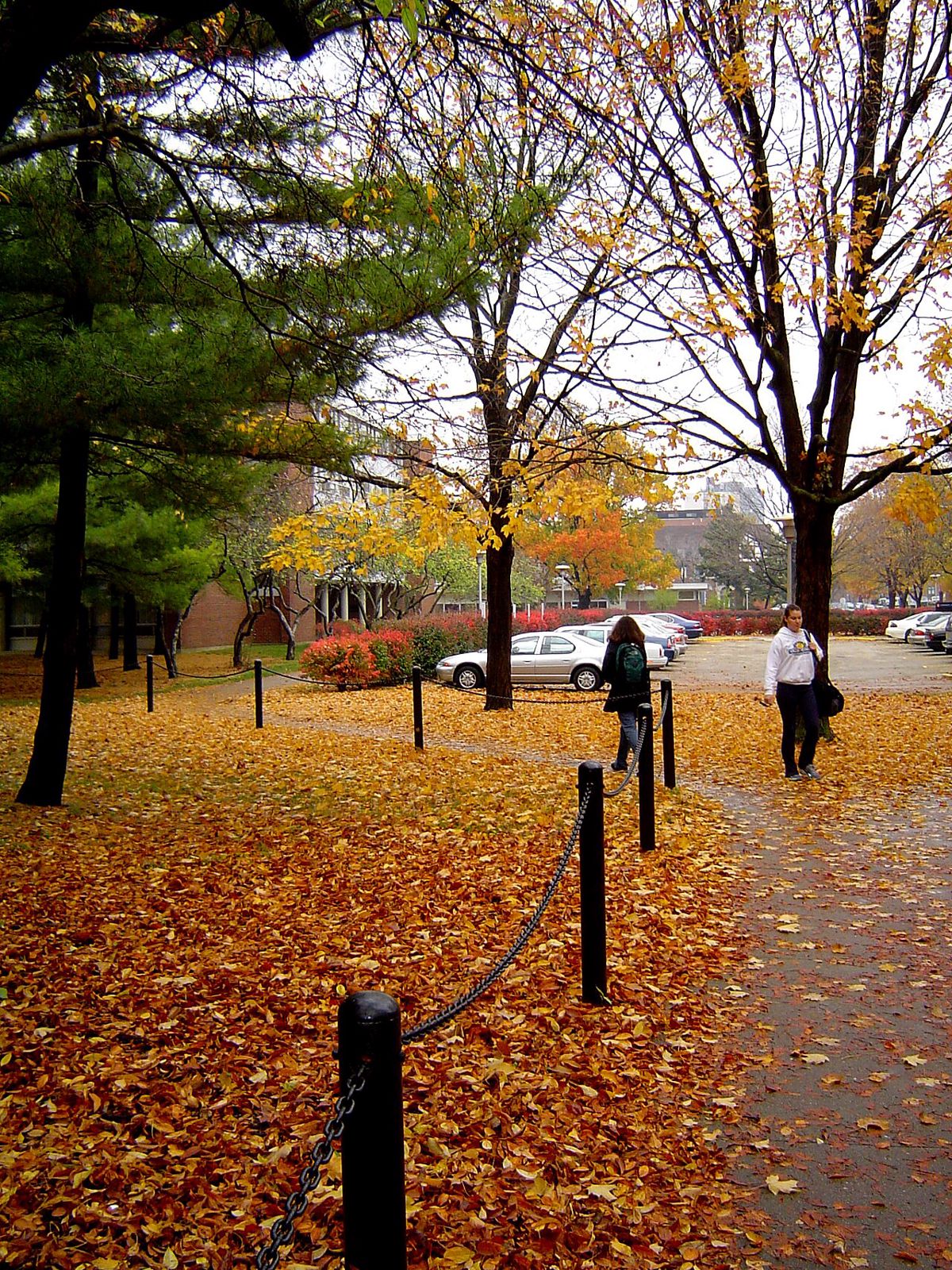
Cluster of six residence halls on south campus near Memorial Stadium, known for tight-knit community feel.
202 E Peabody Dr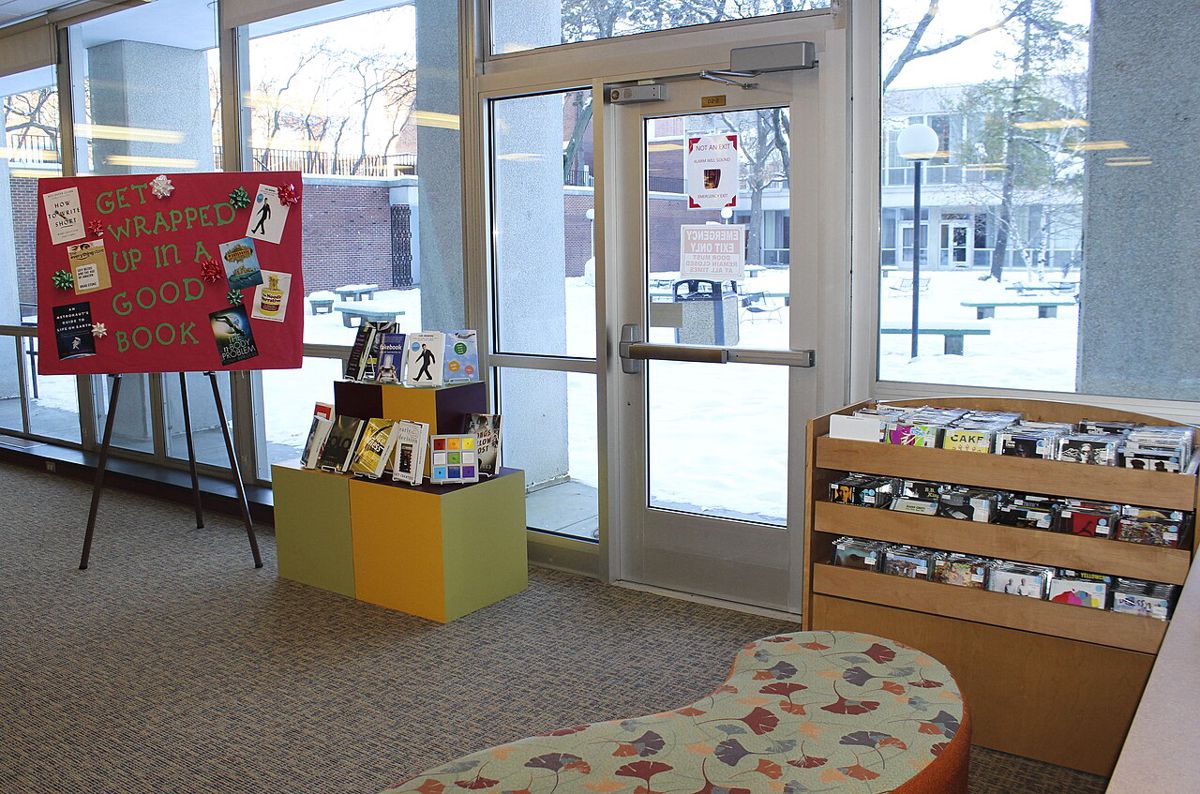
Mid-campus residence hall with suite-style and traditional rooms, its own dining hall, and convenient access to the main quad.
1010 W Illinois StShuttles, parking and accessible rides.
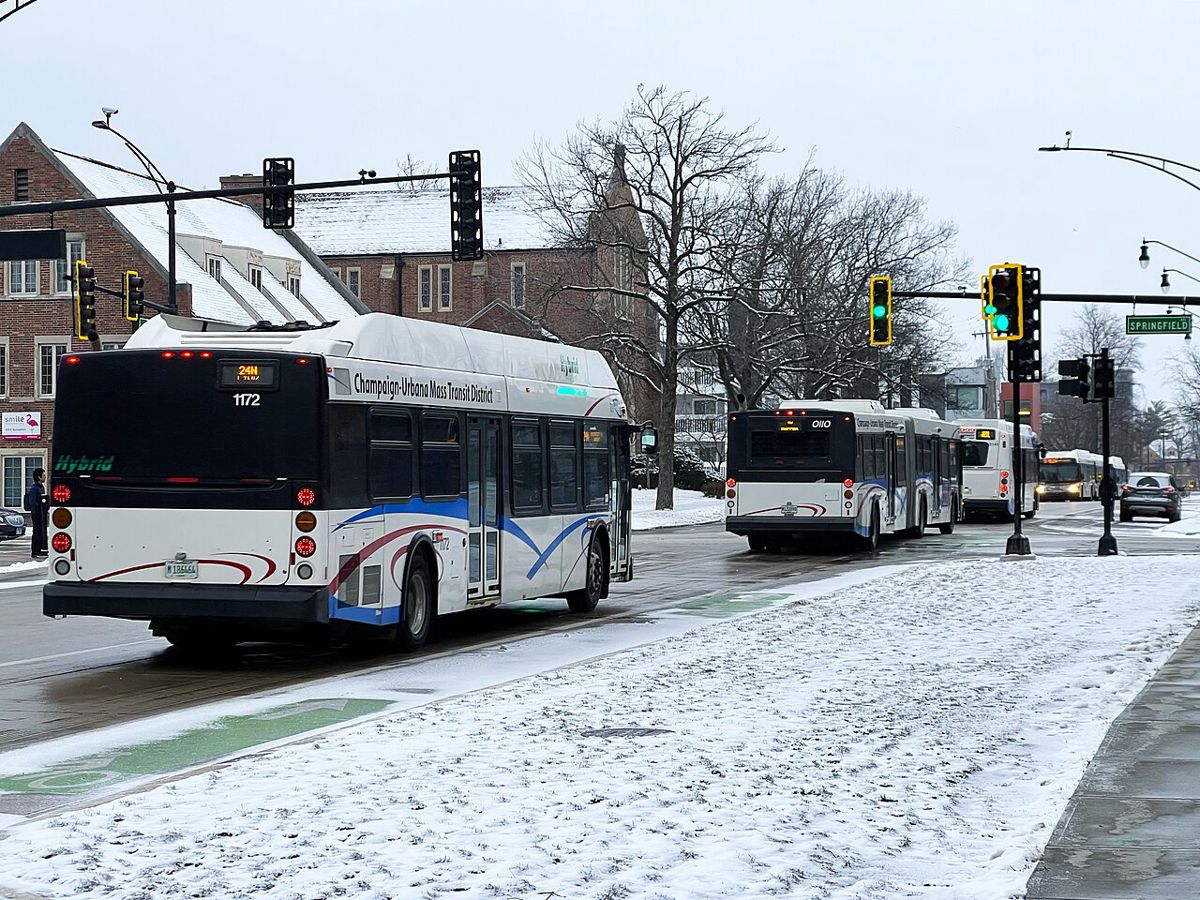
Free bus system for UIUC students with 27 routes across campus, Champaign, and Urbana — just swipe your i-Card.
1101 E University Ave
Manages campus parking permits, meters, and garages with online permit purchasing and citation appeals.
1201 W University AveDIY bike repair shop offering tools, parts, refurbished bikes for sale, and the Build-A-Bike program.
51 E Gregory DrTypical pay 4 years after graduating. Top 6 of 71 bachelor's majors with published pay.
Source: College Scorecard, field-of-study data.
5 things worth doing early
The Illinois Commitment is blunter than most aid programmes: "We'll cover tuition and fees for up to four years for all qualified in-state students." Note that it says tuition AND fees. Most programmes like this stop at tuition and leave you the fee bill, which at a big public can run four figures a year. The threshold is two numbers, not one, and both must be true: "Your family income is $75,000 or less (effective fall 2025)" AND "Your family's assets are $75,000 or less." The assets half is the one that surprises people. The rest of the eligibility list is all required, not any-of: you are an Illinois resident (and so are the parents on your FAFSA), a US citizen or eligible noncitizen, under 24, admitted as a new freshman or transfer, you attended and graduated from an Illinois high school, and you are enrolled in a bachelor's programme for at least 12 hours in the fall or spring. It renews for four years for freshmen and three for transfers, on continuous enrolment. What it does not cover, stated plainly by the university: "course fees, summer classes, winter classes, intercampus enrollment, concurrent enrollment, study abroad, co-op, internship or other student expenses." So it is not a blank cheque for the whole cost of attendance — it is the tuition-and-fees line, which is the biggest one.
Credit/No Credit lets you finish a course without a letter grade touching your GPA. The Student Code: "An undergraduate student must choose between the graded option and the credit-no credit grade option prior to the midpoint of the course" — the end of week eight in a normal sixteen-week semester. Miss that and you are graded, whatever happens afterwards. "Grades of D- or better are required in order to earn credit," and CR/NC courses are "not counted toward the grade-point average but are included as part of the total credit hours." Two limits decide what this is actually for. A maximum of 18 semester hours of CR/NC may be applied toward a degree, and you may not use it for general education requirements or for courses your department designates for your major, minor or concentration. So it is a tool for electives and for taking a real swing at something outside your field — not a way to survive your own major. One useful wrinkle: if you later change major, courses you already took CR/NC in the new field may still qualify.
Every semester you pay $14 in "green fees" — the Sustainable Campus Environment Fee and the Cleaner Energy Technologies Fee. Together they make up the Illinois Green Fund, and the Student Sustainability Committee "allocate[s] over $1.3 million annually to projects and initiatives that work toward achieving sustainability goals on campus." The university calls it the largest student-supported green fund in the country. The part most students never find out: it is a funding board you can walk up to. Project funding is "available to Illinois students, staff, and faculty," and the Student-Led Under $10K track goes to SSC's bi-weekly general meetings rather than a once-a-semester cycle. Bigger student-led projects, and anything led by faculty or staff, go through the two-step process instead. Be realistic about the shape of it. The Under $10K track "requires a departmental project advisor and departmental financial contact" — so you need a department willing to sponsor the idea and hold the money. And because "100% of SSC funding is derived from student fees, all projects funded by these fees must provide substantial benefit to students." Separately, registered student organisations can apply for microgrants.
Outside business hours the university keeps "the support and guidance of a university administrator who is on call." The Emergency Dean exists for students "experiencing health or safety emergency situations in which an immediate university response is needed and which cannot wait until the next business day." The hours are exactly the hours everything else is shut: Monday through Thursday, 5:00 pm to 8:30 am; Friday at 5:00 pm straight through to Monday at 8:30 am; plus university holidays. Reach them on 217-649-4129, or through UIPD dispatch on 217-333-1216. Read the university's own caveat before you need it: the Emergency Dean is "not a substitute for trained emergency personnel such as 911, police, or fire professionals." For anything immediately dangerous, call 911 first. The dean is for the university-side problem afterwards — the exam you are about to miss, the hold on your account, the thing nobody in an office can fix until Monday.
Attach a PDF — a textbook chapter, a lecture deck, a reading, a problem set — and ask Gus about it in plain language. It reads the file, indexes it against the rest of that course's materials, and answers from the page rather than from the internet. It is not only a lookup tool. Ask it to tutor you through something that has not clicked, to quiz you on the key concepts, or to read your draft and tell you what is weak. Because it is scoped to one course, "what is actually on our reading list" is a question it can answer. And it is still the same app that pulls every deadline out of your syllabi and records your lectures. The chat just knows about all of it.
The one that did not fit: you can only replace a C-minus or worse
This is the sharpest version of the repeat trap we have found at any school, and it only missed the video because four tips is four tips. Student Code 3-309: "Courses may be repeated for grade replacement only in those cases in which students received grades of C-, D+, D, D-, or F on the first attempt." Read that list again. A flat C is not on it. Scrape a C in a class you hated and the option simply is not available — the university has decided that grade is good enough to keep. The rest of the limits: "A course may be repeated for grade replacement only once." For your entire degree you get up to 4 distinct courses, "not to exceed a maximum of 10 semester hours." You have to file the intent form during the first half of the term — the first eight weeks of a semester, four weeks of a summer or eight-week course — so it is a decision you make while you are still in the class, not after you see the grade. The grade mode has to match between attempts, and only the second grade counts in the GPA. Both attempts stay on the transcript, and graduate and professional programmes frequently recalculate GPA with the original grade included.
Student Code 3-309 — grade replacementRegistrar — campus grade replacementTwo things people will tell you that are not right
Adobe Creative Cloud is not free at Illinois. The Webstore sells it to students at $20, discounted from $80 — a good price, not a free one, and worth knowing before you budget around it. The MTD buses, on the other hand, genuinely are covered: your i-card is a full-access pass on every route in Champaign-Urbana, and SafeRides runs vans after dark. That one is true, it is just not news to most people by week three.
Illinois WebstoreGus is not affiliated with, endorsed by, or sponsored by the University of Illinois Urbana-Champaign. Tips checked against Illinois's own pages in September 2026. Campus info last updated October 2026. Stats from the U.S. Department of Education College Scorecard. Something out of date? hello@meetgus.app · All campus guides