Getting around
White Loop / Blue Loop
Free campus shuttle loops connecting residence halls to central campus
The student guide to University Park, Pennsylvania: where to eat, live and get help, what a year really costs, and the free stuff most students miss.
Source: U.S. Department of Education, College Scorecard.
After grants and scholarships, by family income. Average: $33,675.
Getting around
Free campus shuttle loops connecting residence halls to central campus
Health & safety
Free confidential counseling, group therapy, and crisis services for all students
Dining halls, quick bites and coffee on campus.
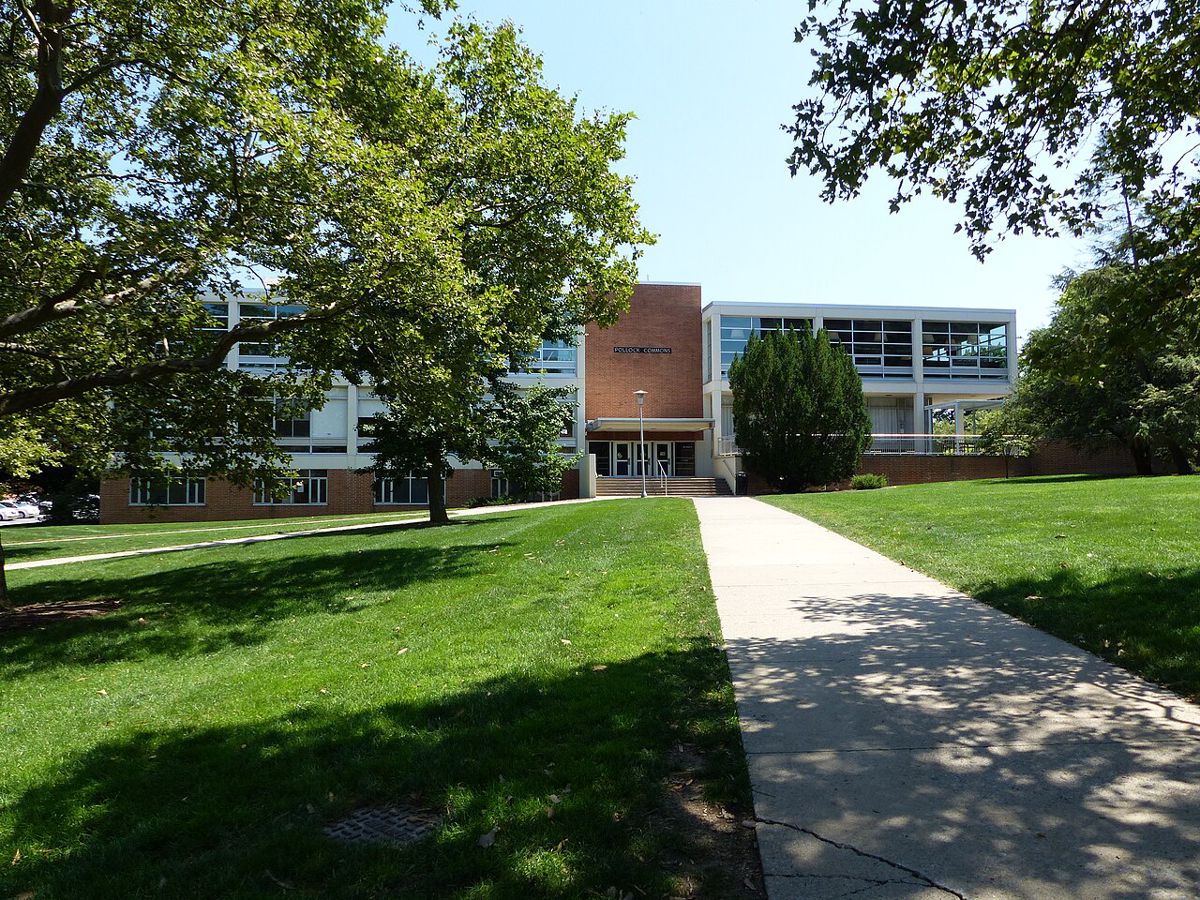
All-you-care-to-eat dining hall in Pollock Commons with diverse food stations
Pollock Rd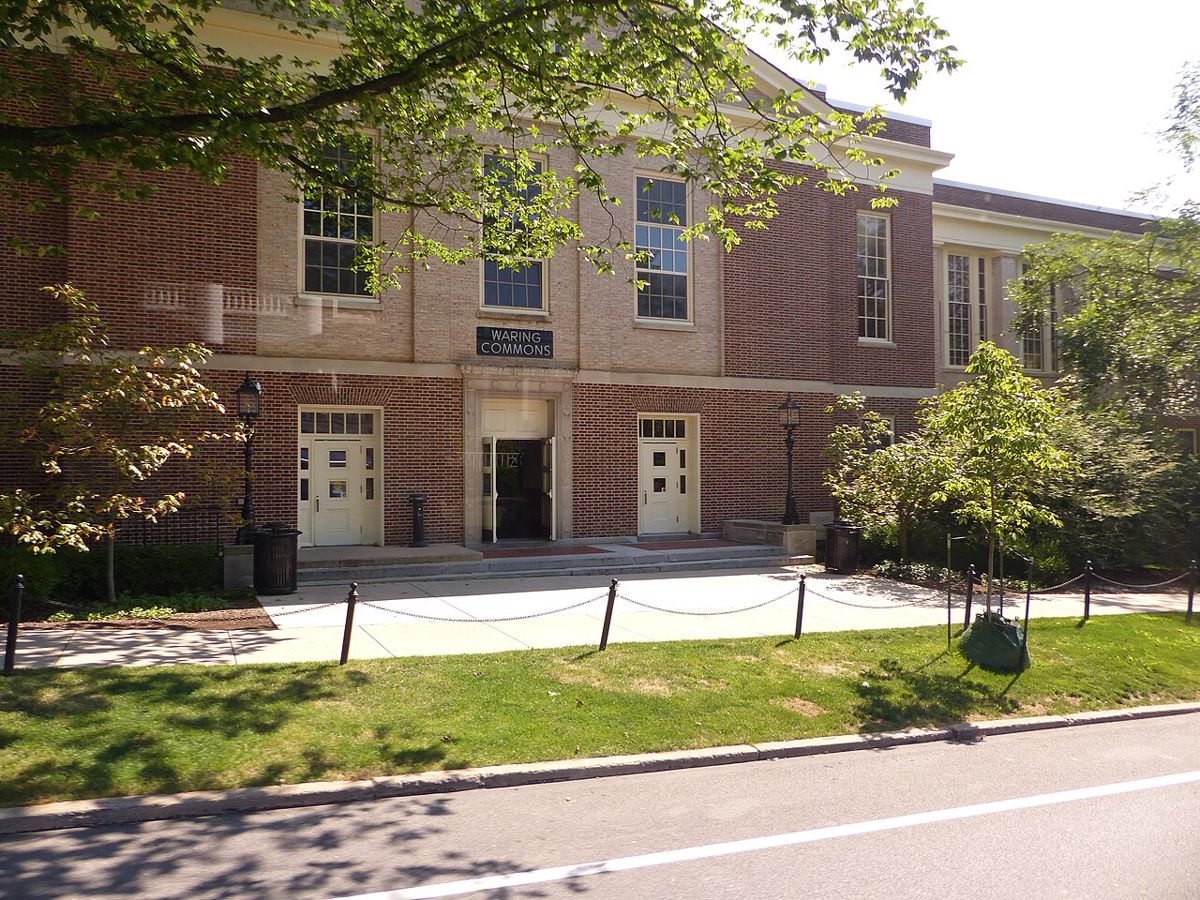
All-you-care-to-eat dining in West Halls neighborhood
Waring Commons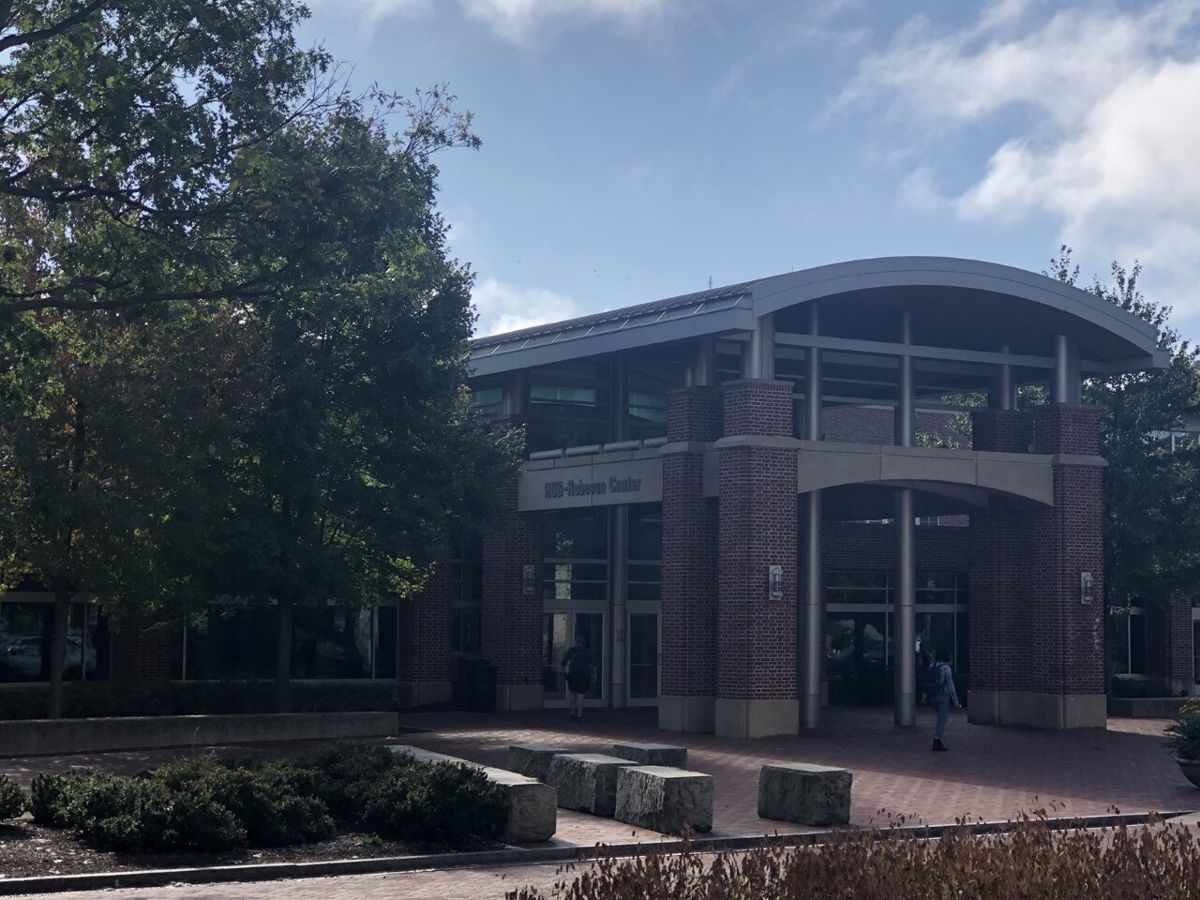
All-you-care-to-eat dining commons at Warnock Commons in North Halls, offering suite-style living dining.
Warnock Commons, North Halls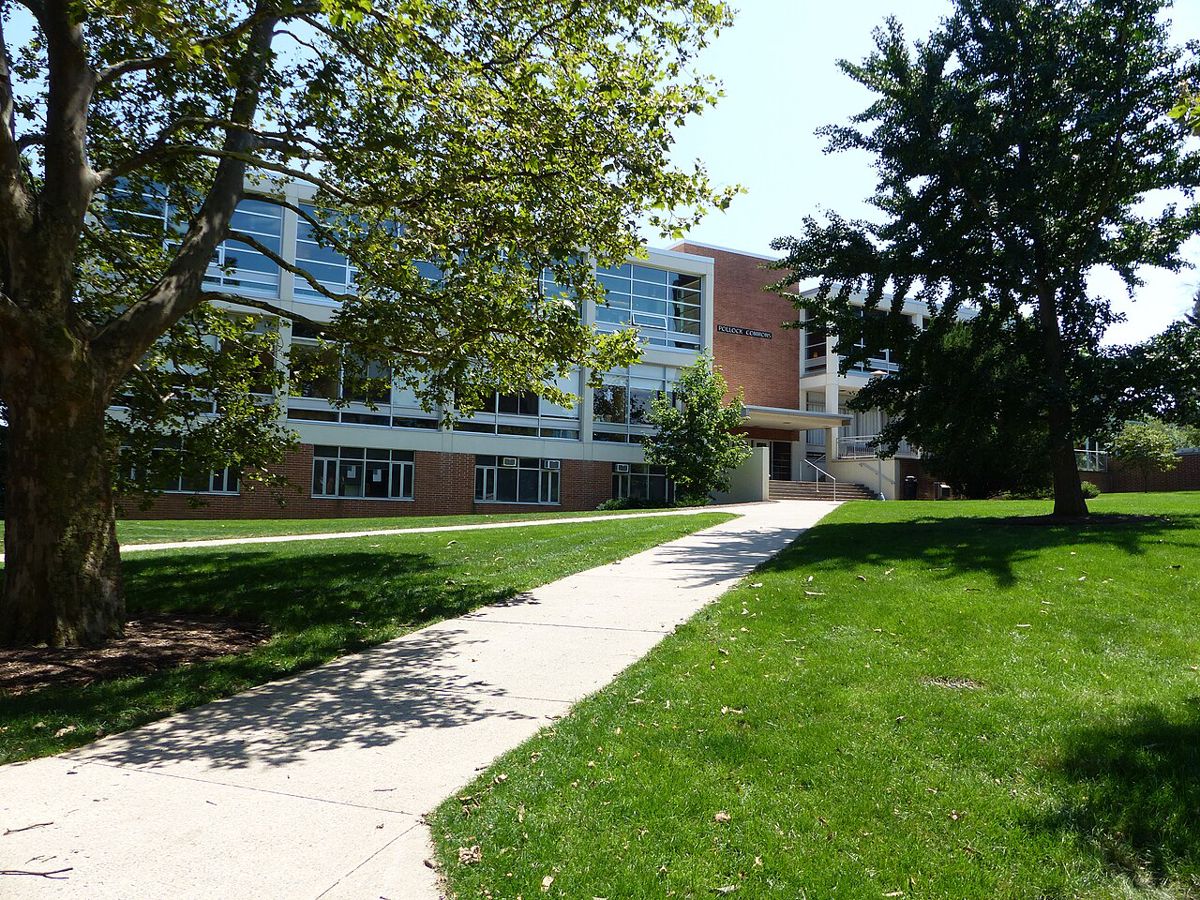
Dining options at Findlay Commons in the East Halls residential area
Findlay Commons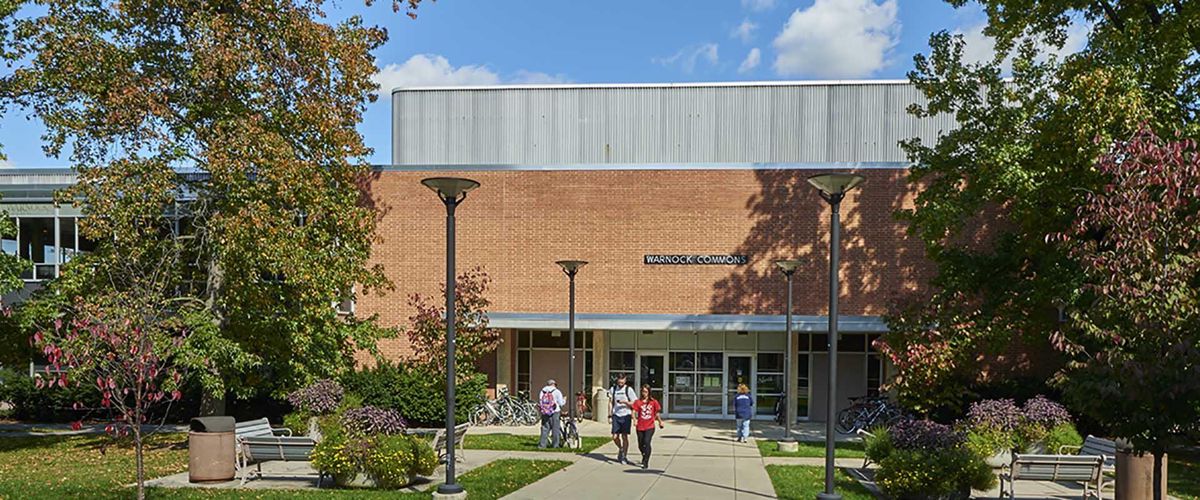
Quieter dining hall in North Halls residence area with focused menu options
North Halls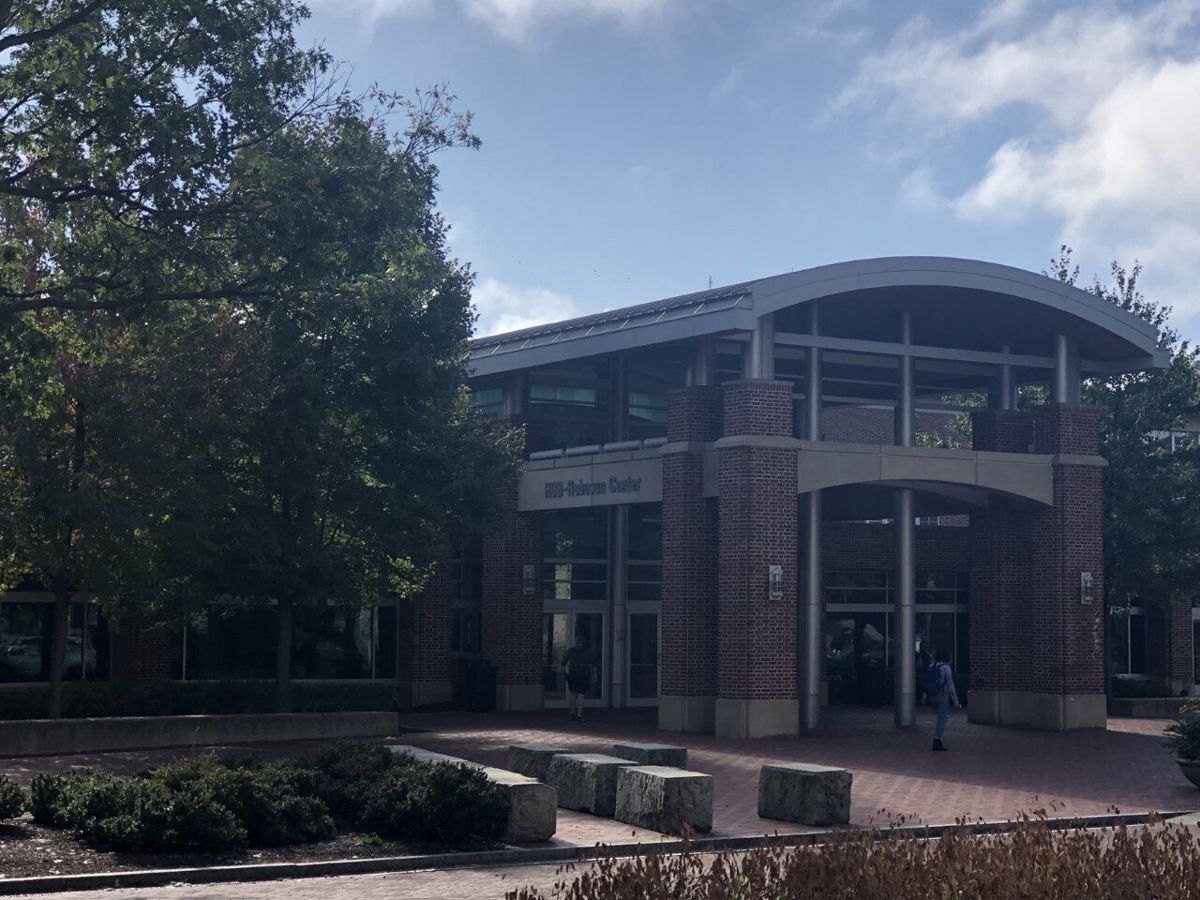
All-you-care-to-eat dining at Redifer Commons in South Halls, conveniently located on College Avenue.
Redifer Commons, South Halls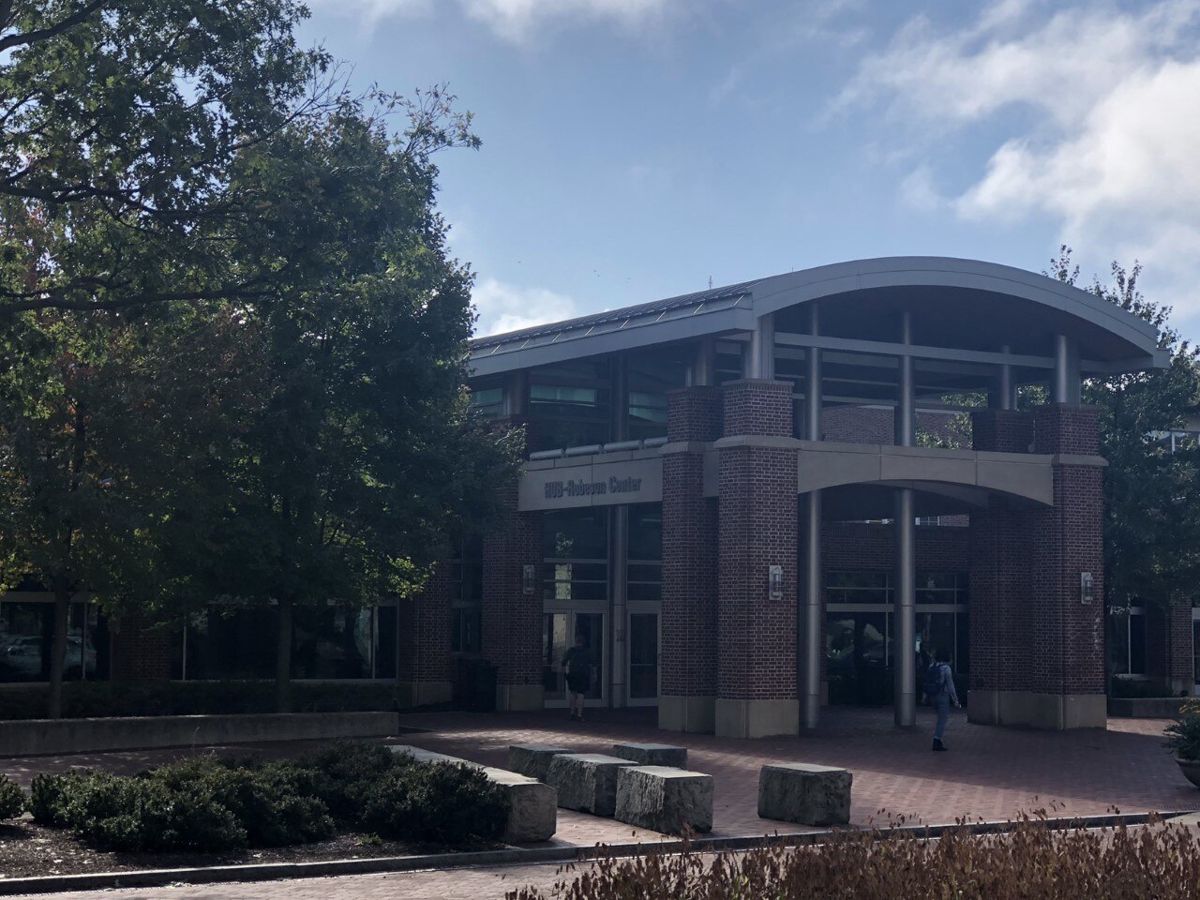
All-you-care-to-eat dining commons in West Halls, serving the traditional collegiate-style residence area.
West Halls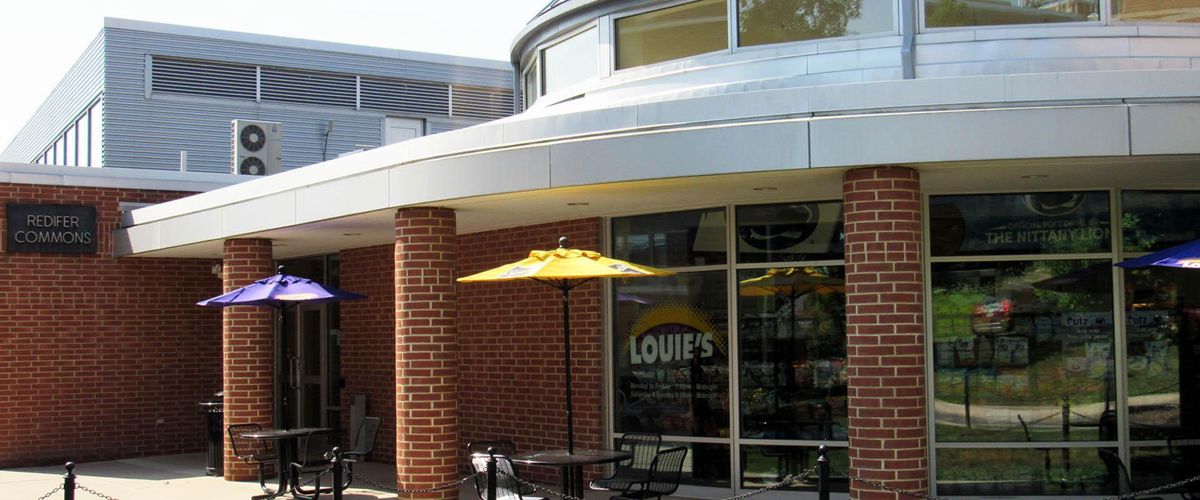
Dining hall serving South Halls and western campus residents
South Halls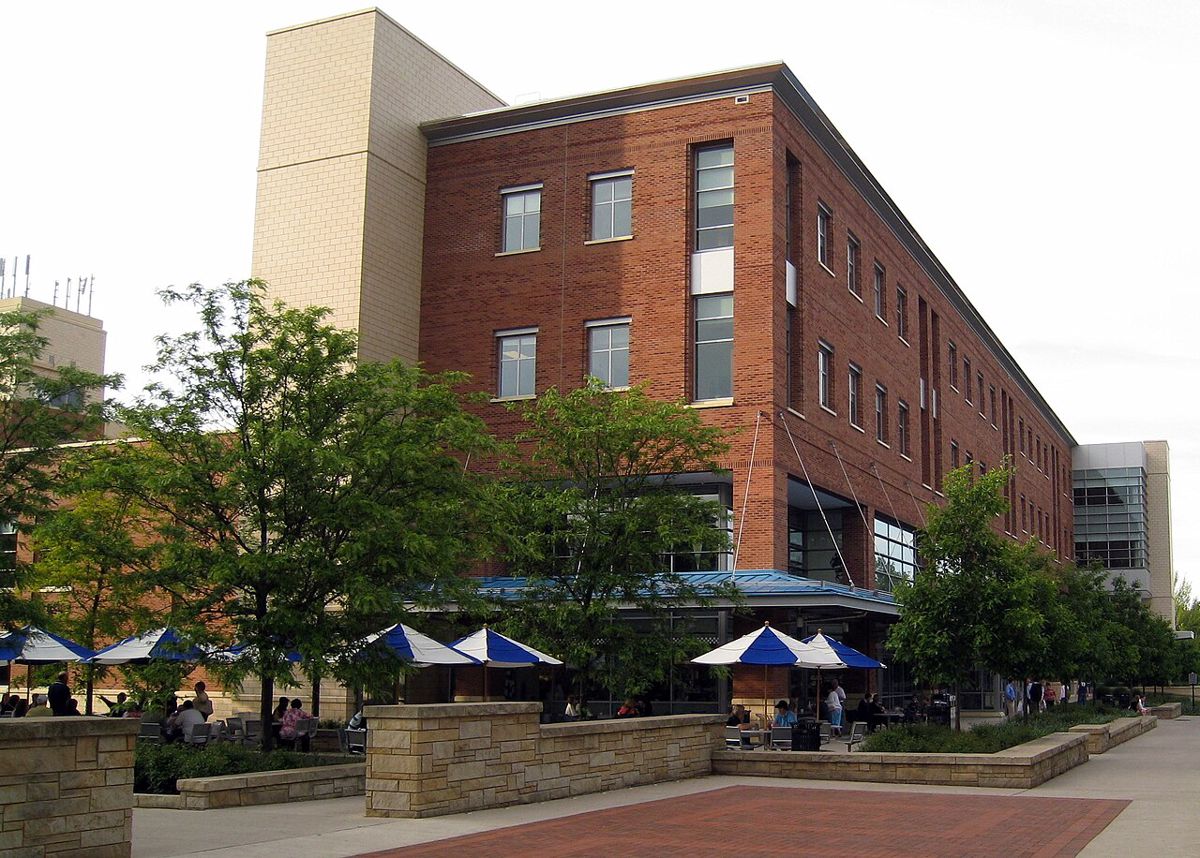
Famous ice cream and dairy store - a must-visit Penn State tradition
119 Rodney A. Erickson Food Science Bldg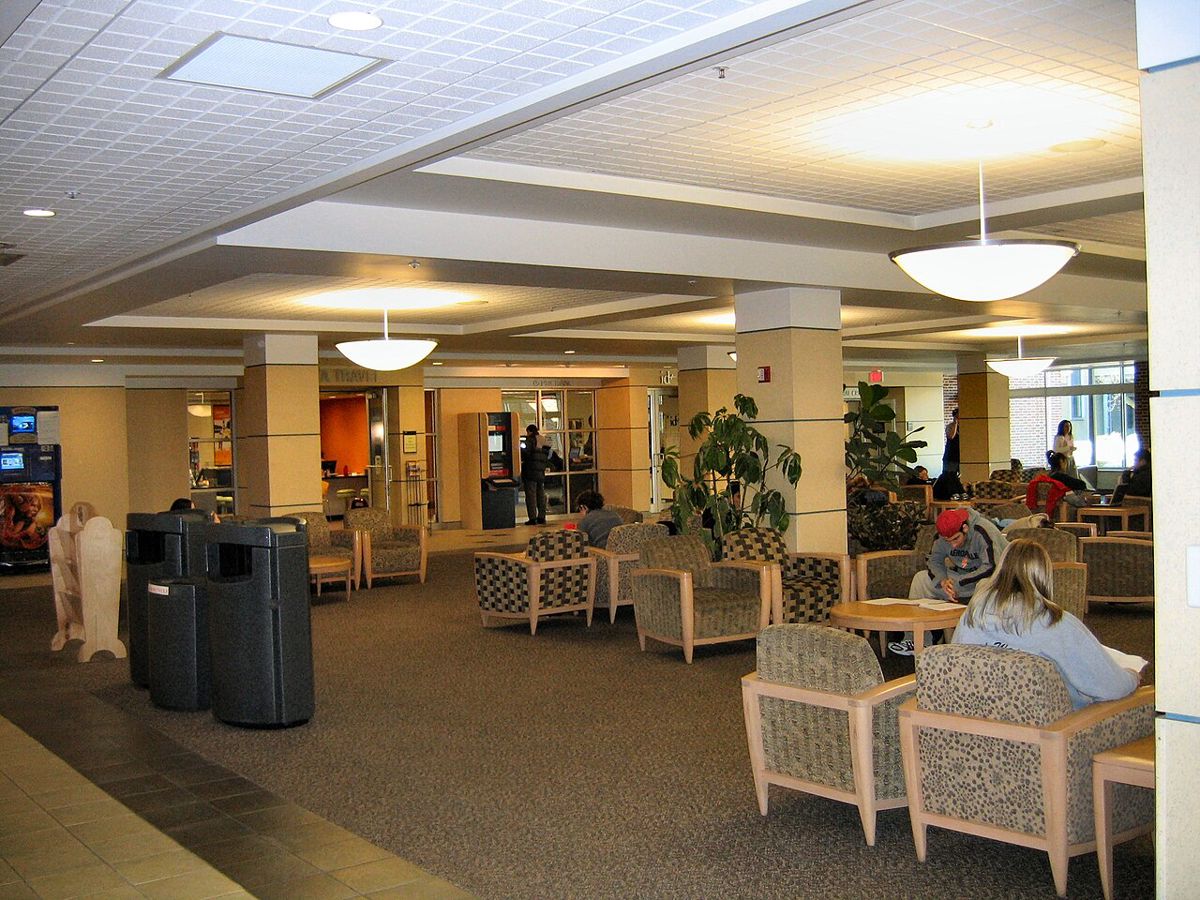
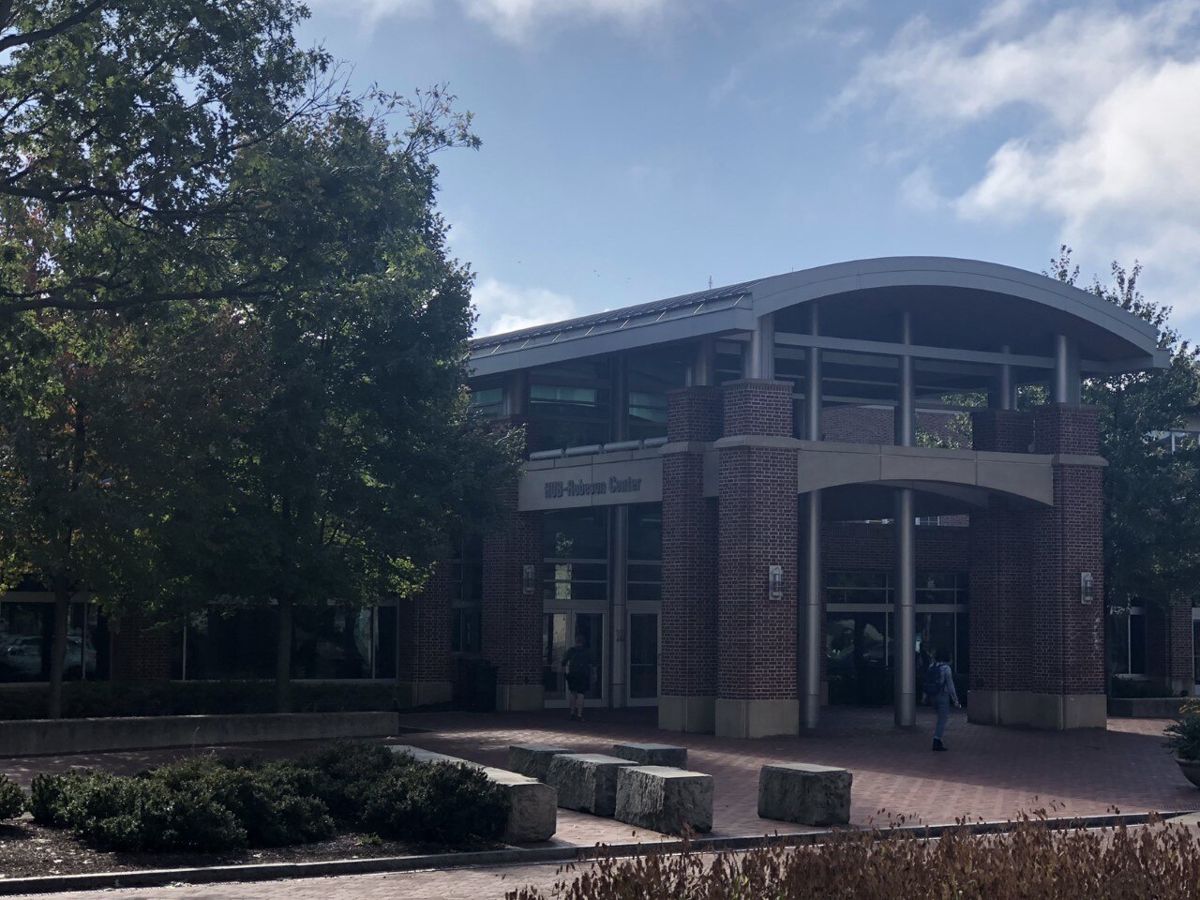
Multiple dining options in the HUB-Robeson Center including cafes and restaurants
HUB-Robeson CenterCoffee shop and study spot on central campus
Multiple Panera locations across campus for soups, sandwiches, and coffee
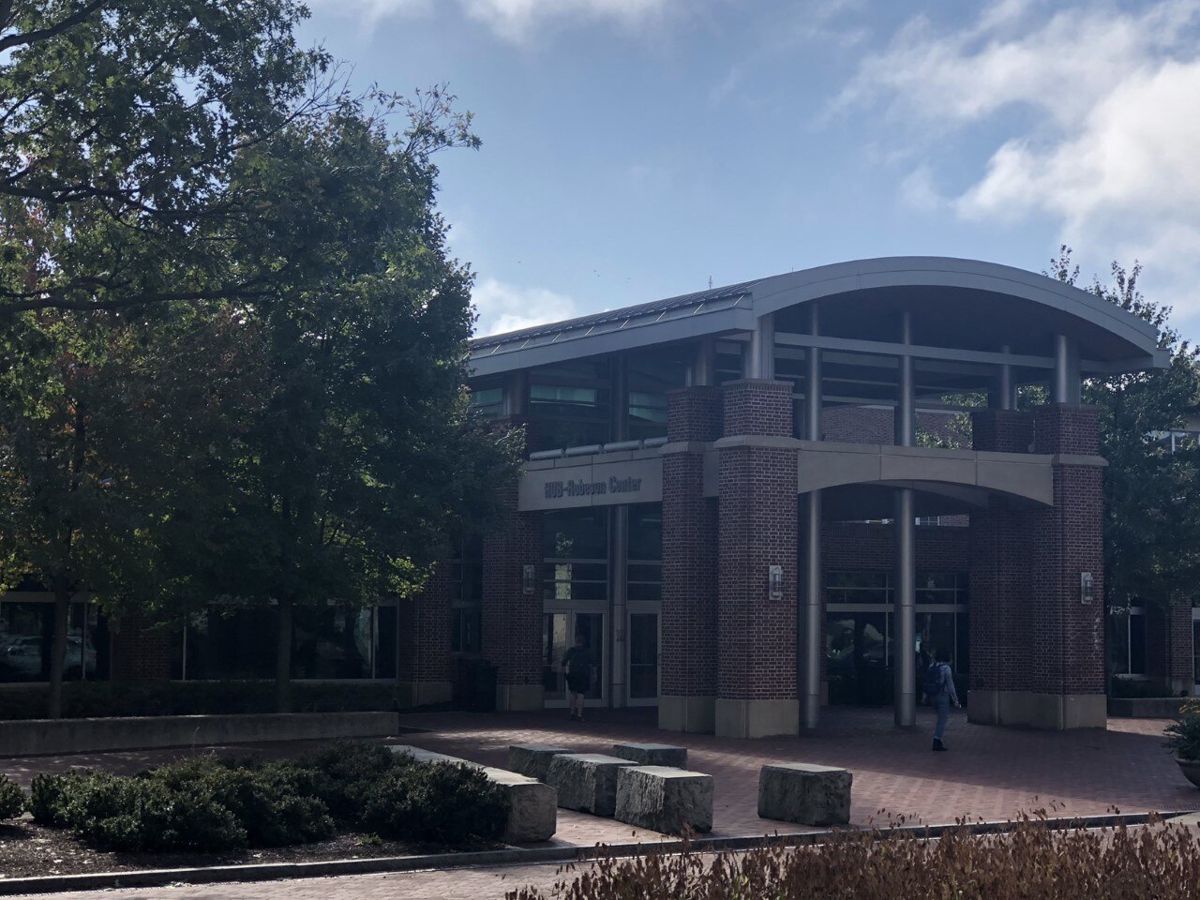
Mexican-inspired restaurant at HUB Dining featuring burritos, bowls, and more.
HUB-Robeson Center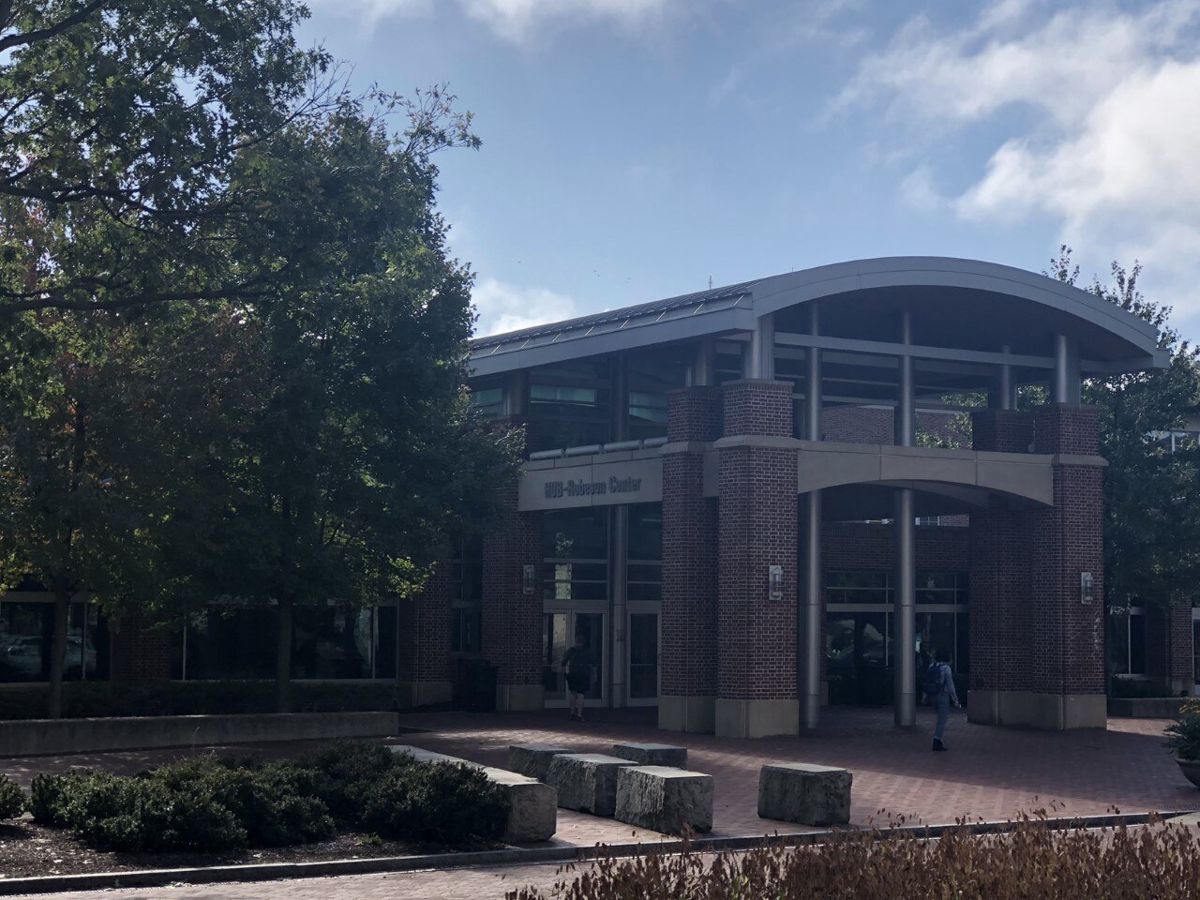
Indian BBQ restaurant at South Food District offering flavorful bowls, wraps, and grilled specialties.
Redifer Commons, South Halls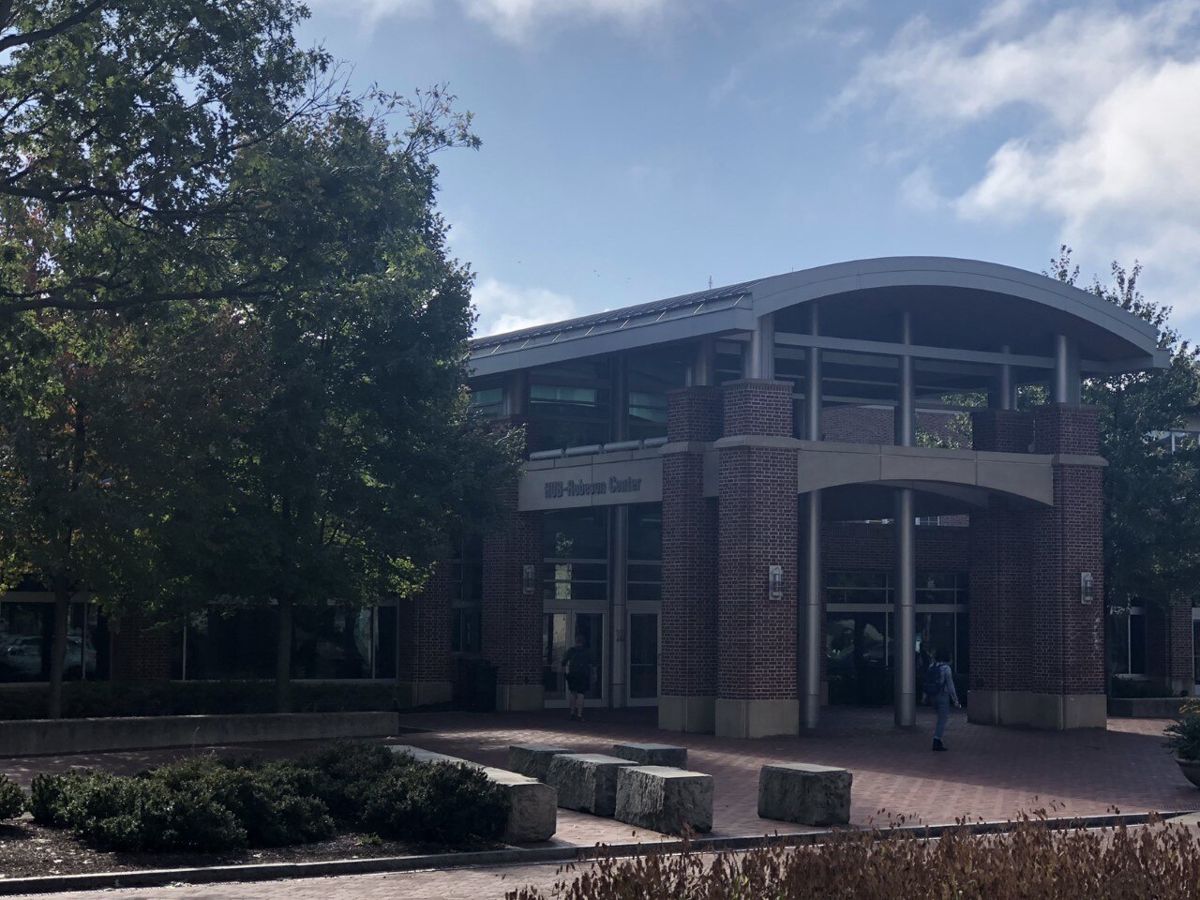
National fast-food chain located in HUB Dining, serving burgers, fries, and breakfast items.
HUB-Robeson Center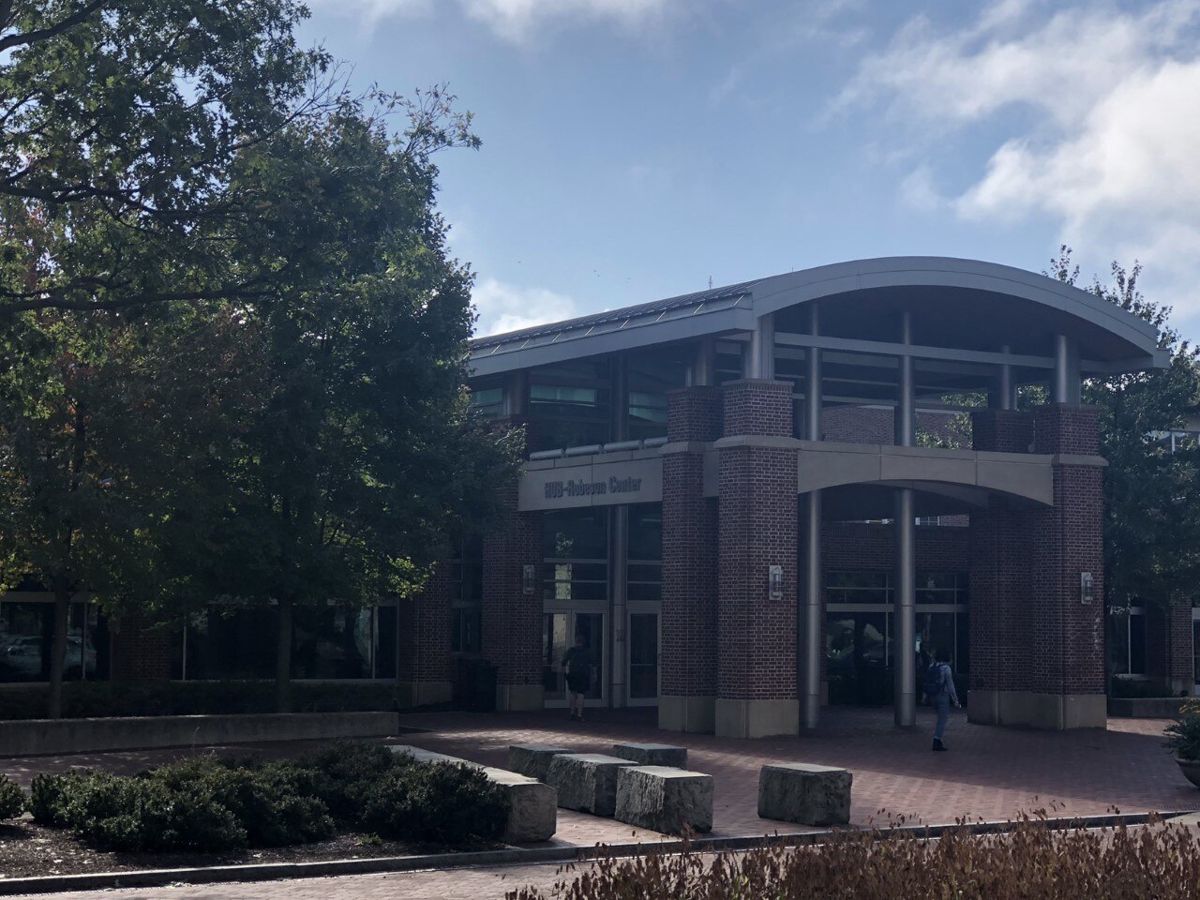
Campus cafe offering coffee, pastries, and light meals in a cozy study-friendly setting.
Popular bakery-cafe chain with three locations across campus, offering soups, sandwiches, and pastries.
Residence halls, apartments and help finding a place.
Renovated first-year housing neighborhood with dining and community spaces
East Halls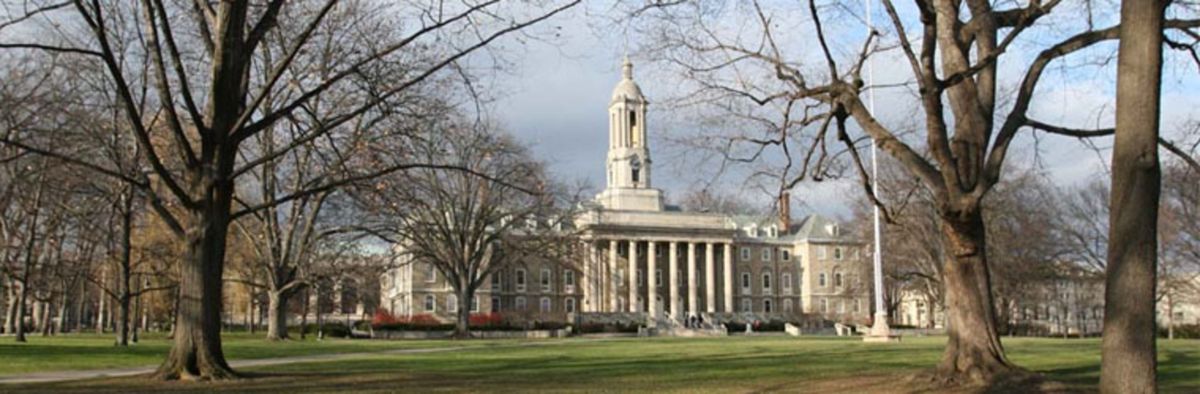
Mixed first-year and upper-class housing with traditional and renovated hall options
South Halls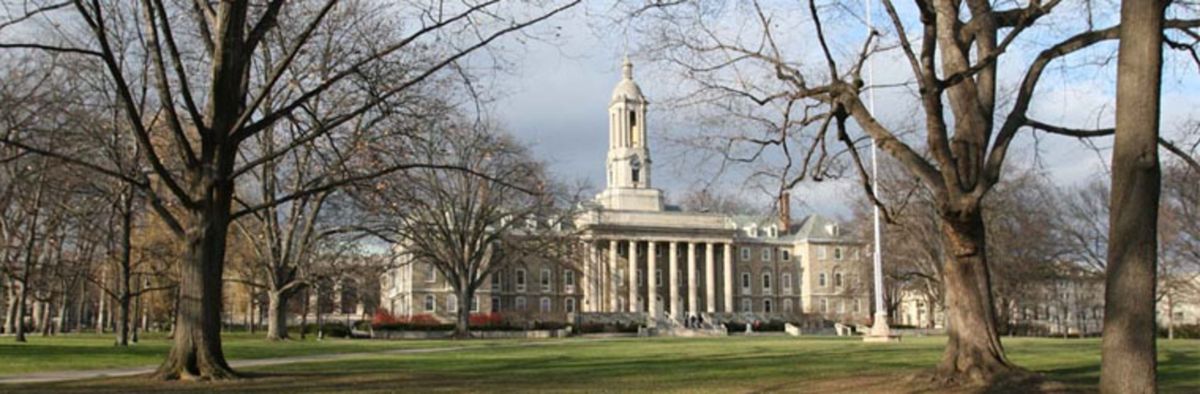
Suite-style residence halls for first-year and upper-class students
North Halls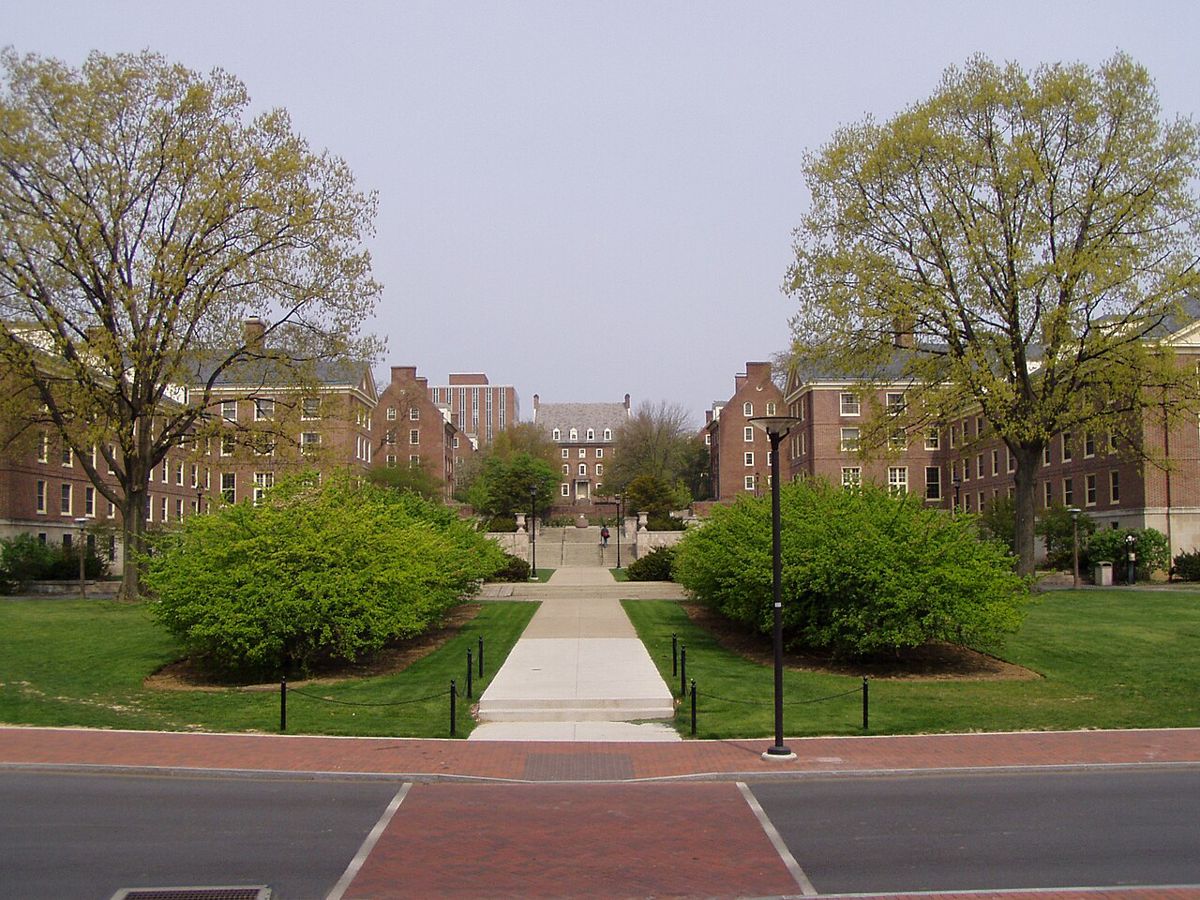
Traditional residence hall neighborhood on west campus with dining commons
West Halls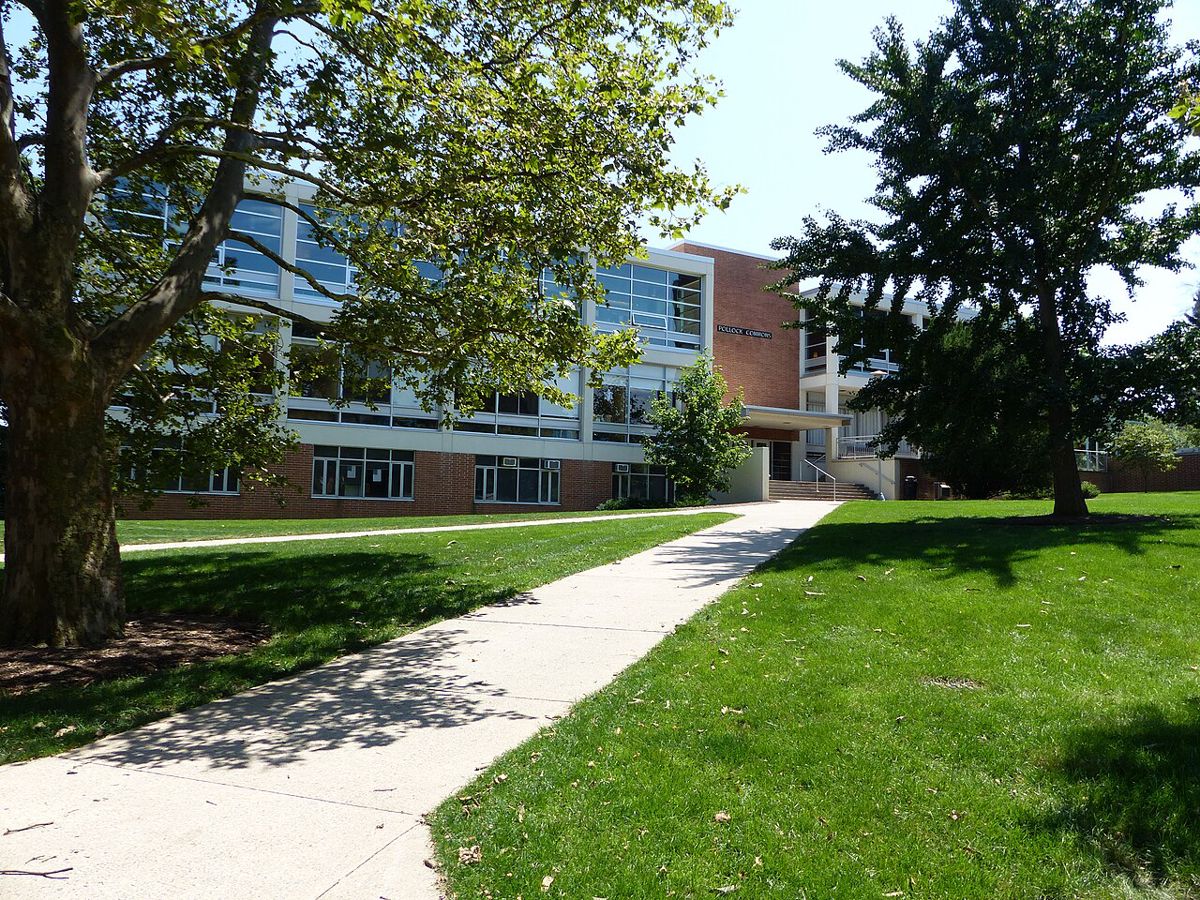
Centrally located residence halls near south campus and recreation
Pollock Halls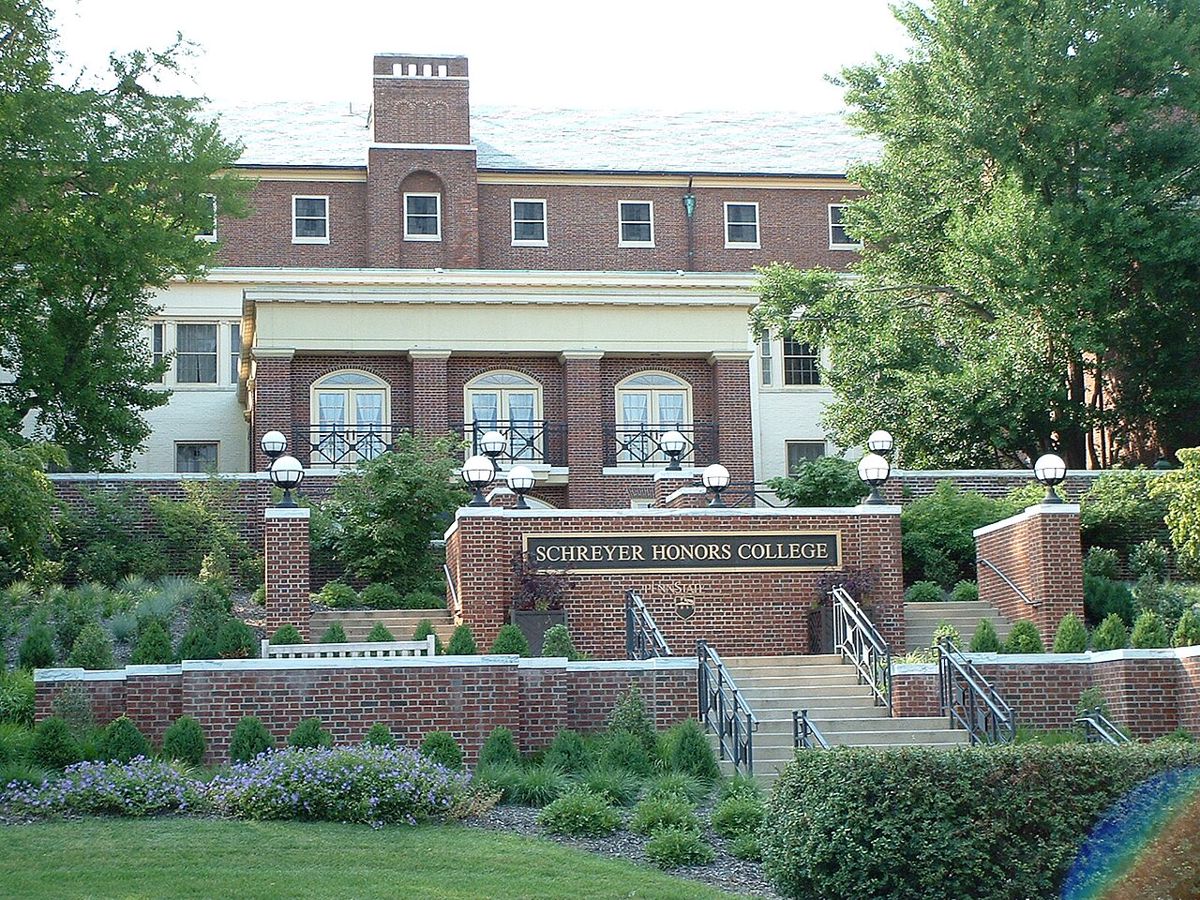
Dedicated housing and academic building for Schreyer Honors College students
Schreyer Honors CollegeUpper-class housing with single rooms and private bathrooms in seven halls
Eastview Terrace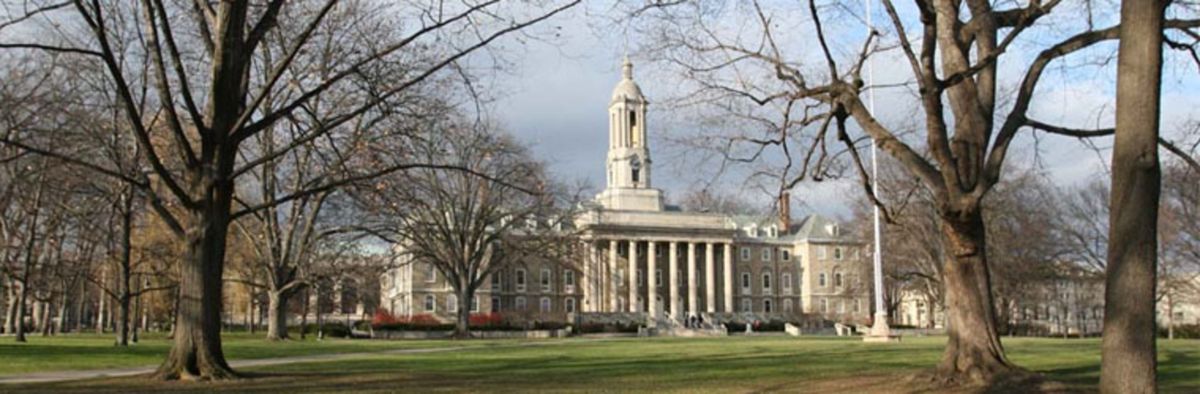
Apartment and suite-style living for upperclass students with kitchens, living rooms, and more independence.
Nittany ApartmentsShuttles, parking and accessible rides.
Free campus shuttle loops connecting residence halls to central campus
Fare-free campus loop serving the Library, Natatorium, BJC, White Building, and College Ave
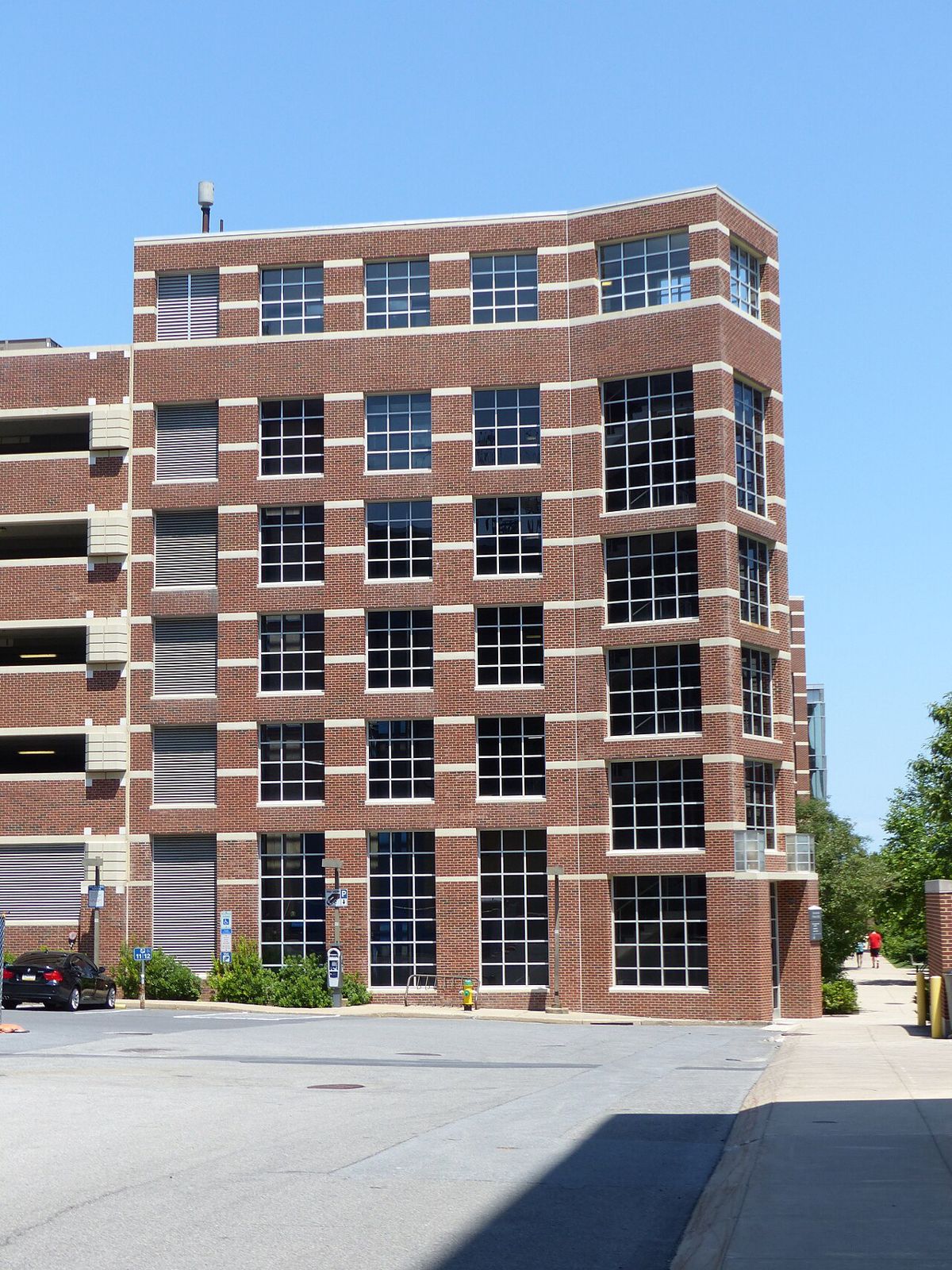
Centre Area Transportation Authority provides bus service throughout campus and State College area
Student and visitor parking lots and garages across campus
Fare-free campus loop hitting Rec Hall, Library, Visual Arts, Beaver Hill, and IM Building
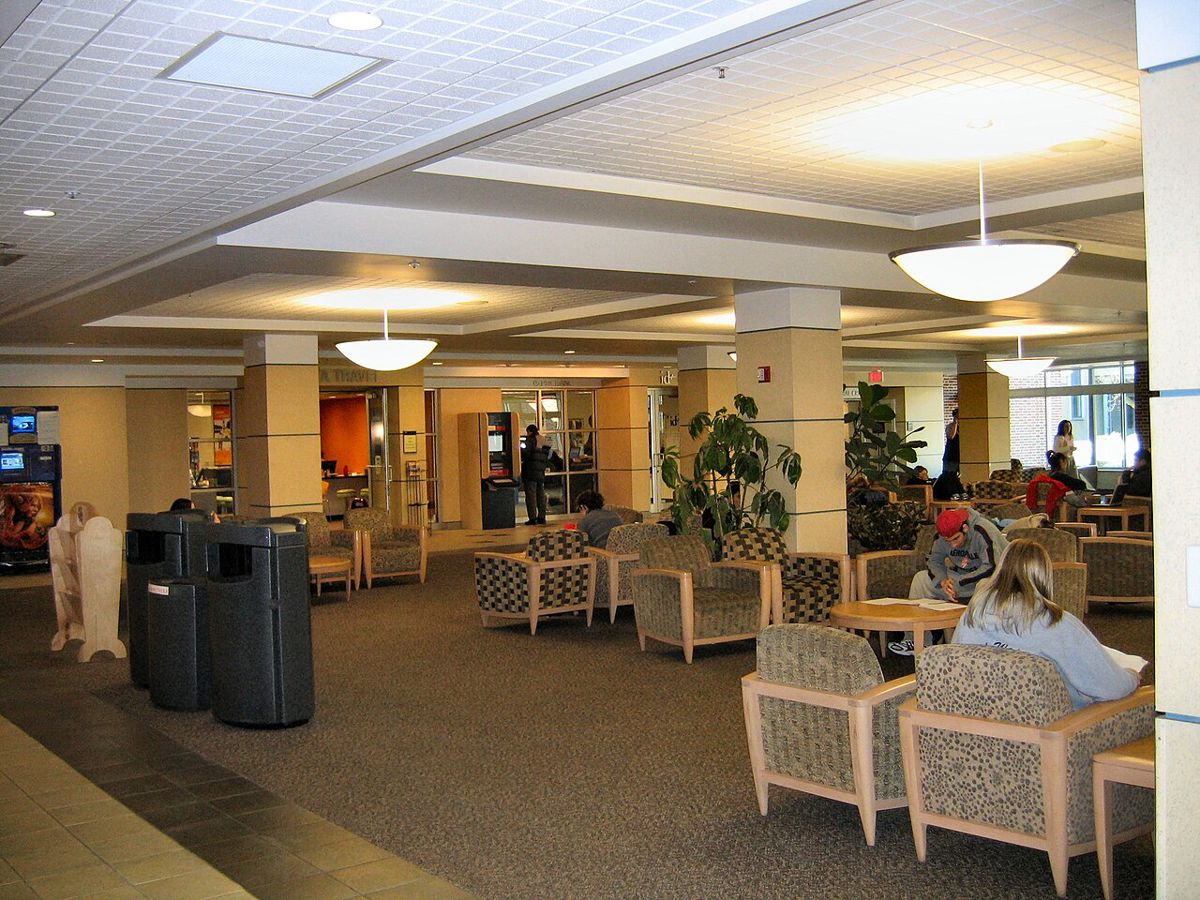
Manages parking permits, shuttle services, RIDEpass, and bike programs
Eisenhower Parking Deck
Over 300 electric-assist bikes available across campus and downtown State College for quick, convenient rides.
Various locationsFare-free campus routes connecting west campus to Innovation Park, East Halls, and BJC
Manages campus parking permits, visitor parking, shuttle routes, and alternative transportation programs.
Transportation Services BuildingBike paths, racks, and bike share program across campus
Campus parking permits, lots, garages, and transportation services information
Eight $10 Lyft ride credits per month for students, Thurs-Sat nights 2-7am from downtown to campus housing.
Typical pay 4 years after graduating. Top 6 of 101 bachelor's majors with published pay.
Source: College Scorecard, field-of-study data.
5 things worth doing early
Penn State does not charge one undergraduate tuition. It charges a lower-division rate and an upper-division rate, and the line between them is not a year — it is a number. The Bursar: upper division starts "when the student has completed 59.1 or more course credits." The part that catches people: "All advanced placement or transfer credits placed on the Penn State transcript will count towards the total number of credits a student has accumulated, even if some of those credits do not meet the course requirements for graduation." A stack of AP credit that does nothing for your degree can still push you over the line — and "a student's tuition will increase when the Penn State transcript reflects 59.1 total credits. If the credits you are transferring or have transferred place you above 59.1 credits after the start of the semester, your tuition will increase immediately. Your student account will be billed for the additional tuition in the first week of the following month." What the jump is worth, University Park, Pennsylvania resident, rates effective Fall 2026: lower division (freshman and sophomore) is $20,878 per academic year. Upper division is $22,520 for "All Other Programs", $24,794 for Science, IST and EMS, and $26,778 for Business & Engineering and for Nursing. Business and engineering students pay $5,900 a year more the moment the transcript flips. Non-residents pay more again. None of this is a reason to refuse AP credit — it is a reason to know the date it lands, and to ask an adviser whether accepting a particular block of transfer credit is worth what it costs you in tuition tier.
Housing and Food Service: "Penn State has three closedown periods during the academic year, during which University Housing closes. While students are not permitted to stay in their rooms during these times, personal items may remain in the room." Your things are fine. You are not allowed to be there. The way to stay is Break Access/Holiday Housing, which "allows students to remain in their permanent room assignment" and costs "an additional cost of $1,020 per academic year" — and it "applies to all housing options, including Nittany and White Course Apartments." You choose it when you create the HFS Contract offer and set housing preferences, not in December when a flight gets expensive. "Guests are not permitted to stay in University housing during these closures." This is the single biggest surprise for students who are far from home, international students, and anyone whose family cannot absorb three round trips. Price it against flights before you decide it is a lot of money. One more thing worth knowing now rather than in March: on-campus housing is not guaranteed after your first year. Returning students add their name to the On-Campus Housing Waitlist and "HFS Contract offers are released to students who add their name to the On-Campus Housing Waitlist based on availability."
If illness, an injury, a death in the family or a genuine emergency wrecks the end of a semester, Penn State has a way out that is not a withdrawal and not an F — but it has a deadline most students discover after they have missed it. The Registrar, on policy 48-40: "Non-emergency permission for filing for a deferred grade must be requested by the student prior to the beginning of the final exam period of the semester in which the course is taken." Before finals week. Not during it, and not after grades post. "Approval for a deferred grade must be given by the instructor of the course" — and under true emergency conditions where the instructor is unreachable, the dean, an associate dean, or the academic officer of your campus can authorize it instead. What it does: "A 'DF' symbol will be entered on the student's transcript in place of a quality grade", and "courses with a deferred grade will not be included in the grade-point average calculations." It is not a hit to your GPA while it stands. What you owe: undergraduates have "10 weeks after final grade reporting date" to finish the work, for spring, summer and fall alike. "Extension beyond deadline may be granted for extenuating circumstances only, with the concurrence of your course instructor." The practical version: the week something goes badly wrong, email the instructor. Not in January.
Most students think the Schreyer Honors College is a thing you either got into out of high school or missed. It is not. The Gateway route admits students who are already at Penn State: "First- and second-year students may apply to join the Schreyer Honors College", with an application deadline of "May 15" and decisions over the summer. What membership carries: benefits that "include early course scheduling, financial support for research and travel opportunities, and much more" — priority registration alone changes four years of schedules — plus honors courses and the thesis track. The one asymmetry to know going in: Gateway entrants are not eligible for the Academic Excellence Scholarship, which belongs to students admitted as first-years. You gain the college; you do not gain that particular award. So the move in your first fall is not to write it off. It is to keep your grades in range and put May 15 in your calendar.
Gus is an AI college companion built around your actual course materials. Upload the textbook chapter, the slide deck, the reading, the syllabus — then ask. It answers out of those pages rather than out of the internet, so the answer matches the class you are actually in. From the same material it will tutor you through what has not clicked, generate flashcards and quizzes, summarize a lecture you recorded, and check your writing. It is free to try.
Flat tuition is 12 to 19 credits, and credit 20 is billed on top
"For undergraduate students, tuition is charged per credit up to 12 credits. Students taking 12 – 19 credits will be charged a flat tuition rate. Undergraduate students taking more than 19 credits will be charged the flat tuition rate plus the regular per credit hour rate for each credit above 19." Tuition is assessed on "resident or non-resident status, campus location, level (associate, lower, upper, or graduate), major (in some cases), and credit load."
Tuition rates effective Fall 2026 — University ParkThere is no single late-drop date — every course has its own
After the regular drop period, a late drop runs until that particular course's late-drop deadline, which falls roughly on the day the course is 80 percent complete. That means a half-semester course and a full-semester course have different last days, and looking up "the" drop date will mislead you. There is also "a $6.00 fee for each course dropped". The old 16-credit lifetime late-drop cap no longer exists — the Faculty Senate removed it in 2015 — but late-drop credits do not reset if you stop out and come back, except through academic renewal.
Registrar — adding, dropping and auditing coursesAdvising — late-drop checklistYour instructors file a progress report on you in week three
Penn State runs Starfish progress surveys twice a term: instructors are asked to complete them in week three (Early Indicators) and week seven (Mid-Semester) for full-term undergraduate courses. Because almost nothing is graded by week three, the early round is about observable behaviour — attendance, missing submissions, engagement — and the flags go both to you and to your assigned adviser. A flag is not a grade and it is not a punishment; it is the cheapest early warning you will get, and the right response is to answer the email.
Starfish at Penn State — FAQsPrerequisites are checked again after you register
Registering for a course is not proof you are allowed to be in it. "Prior to the start of each semester, the University Registrar will review conditional course enrollments and identify students who do not have prerequisite, or concurrent courses completed." If you registered for a spring course expecting to pass its fall prerequisite and then did not, that enrollment can go away before the semester starts. Related trap: dropping one class in a co-requisite pair "may be disenrolled from all concurrent or co-requisite classes" unless an override was processed first.
Policy C-5 — enforcement of prerequisite, concurrent and co-requisite coursesAlready paid for: Adobe Creative Cloud, Microsoft 365, the NYT and the WSJ
Your Access Account carries software and subscriptions most students buy separately. Adobe Creative Cloud is available to Penn State students at no additional cost, Microsoft Office 365 is free, and student credentials unlock New York Times and Wall Street Journal subscriptions. University Libraries adds streaming video through Swank and ebooks and audiobooks through Libby. Check what you already have before you pay for any of it.
Penn State News — IT perks for Penn StatersUniversity LibrariesGus is not affiliated with, endorsed by, or sponsored by The Pennsylvania State University. Tips checked against Penn State's own pages in September 2026. Campus info last updated October 2026. Stats from the U.S. Department of Education College Scorecard. Something out of date? hello@meetgus.app · All campus guides