Academics & admin
Academic Success Center
Free tutoring, SI sessions, and academic coaching in STEM and writing for all Purdue students.
The student guide to West Lafayette, Indiana: where to eat, live and get help, what a year really costs, and the free stuff most students miss.
Source: U.S. Department of Education, College Scorecard.
After grants and scholarships, by family income. Average: $14,851.
Academics & admin
Free tutoring, SI sessions, and academic coaching in STEM and writing for all Purdue students.
Getting around
Free campus bus routes for Purdue students with valid ID. Multiple routes connect campus, residence halls, and West Lafayette.
Health & safety
Free confidential counseling for Purdue students with a 24/7 crisis line at (765) 494-6995 press 1.
Student life
Free art galleries in Robert L. Ringel Gallery and Rueff Galleries featuring rotating student and professional exhibitions.
Dining halls, quick bites and coffee on campus.
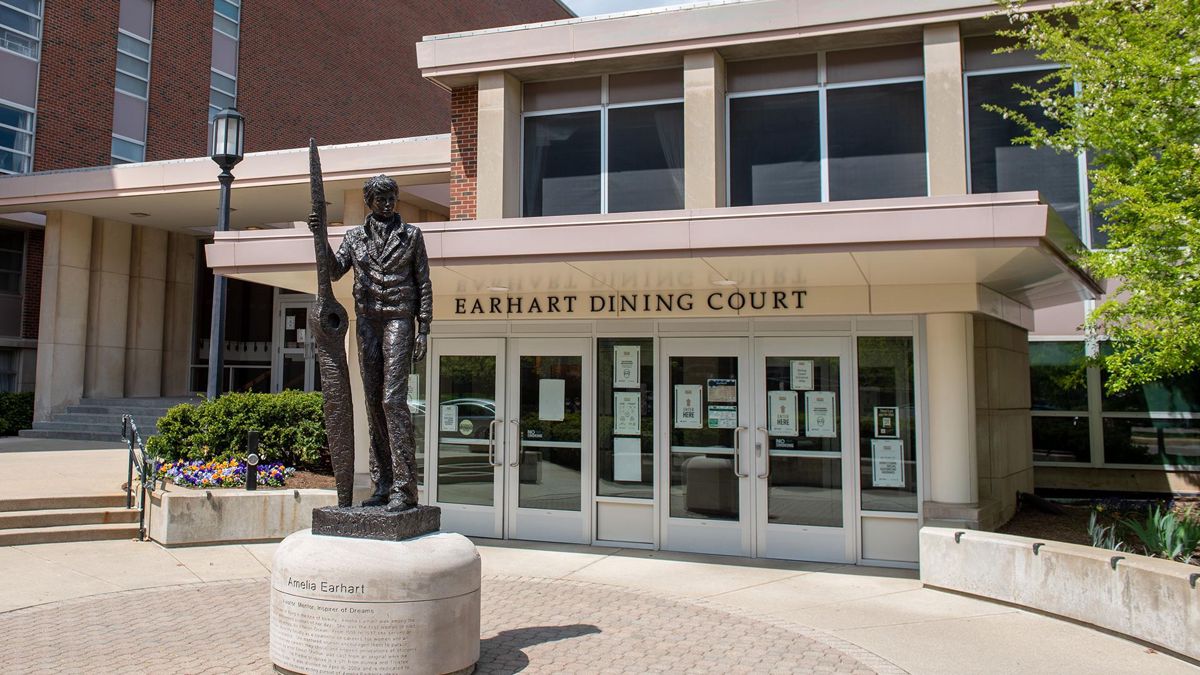
All-you-care-to-eat dining with create-your-own stations, Mongolian grill, pizza bar, and rotating international cuisines
1275 1st St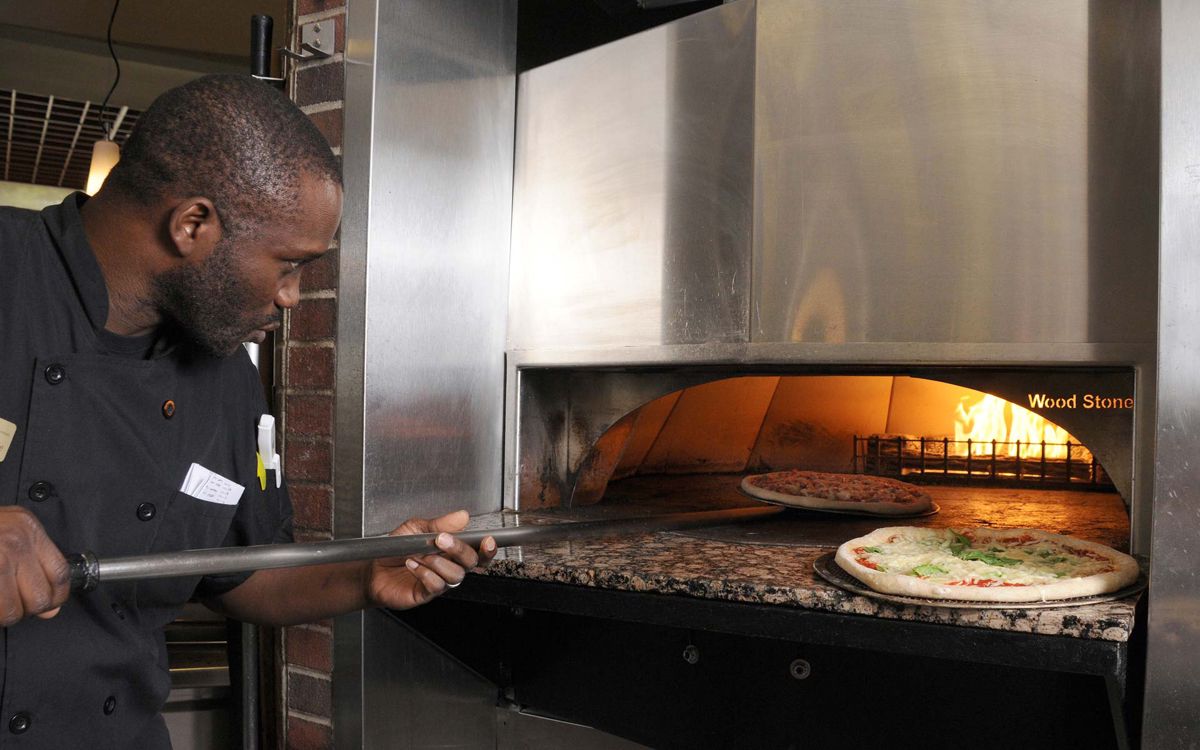
All-you-care-to-eat dining court serving the southeast campus residence halls
1122 S Martin Jischke Dr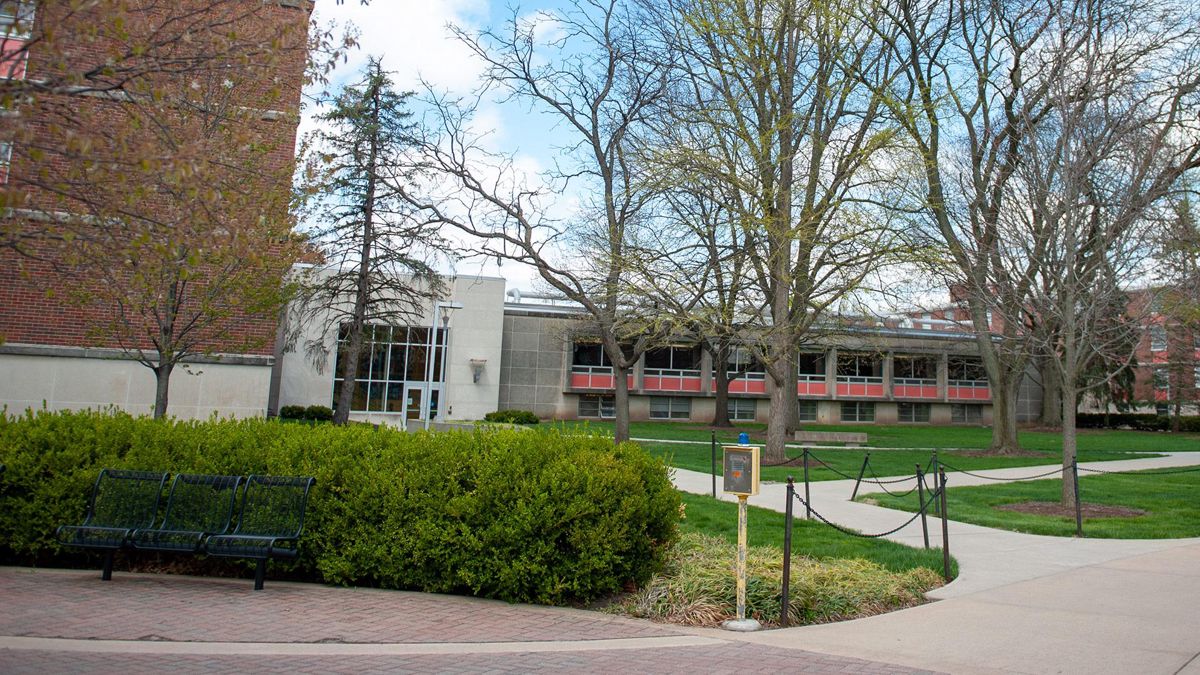
All-you-care-to-eat dining court near Wiley Hall with comfort food and home-style cooking
500 S Martin Jischke Dr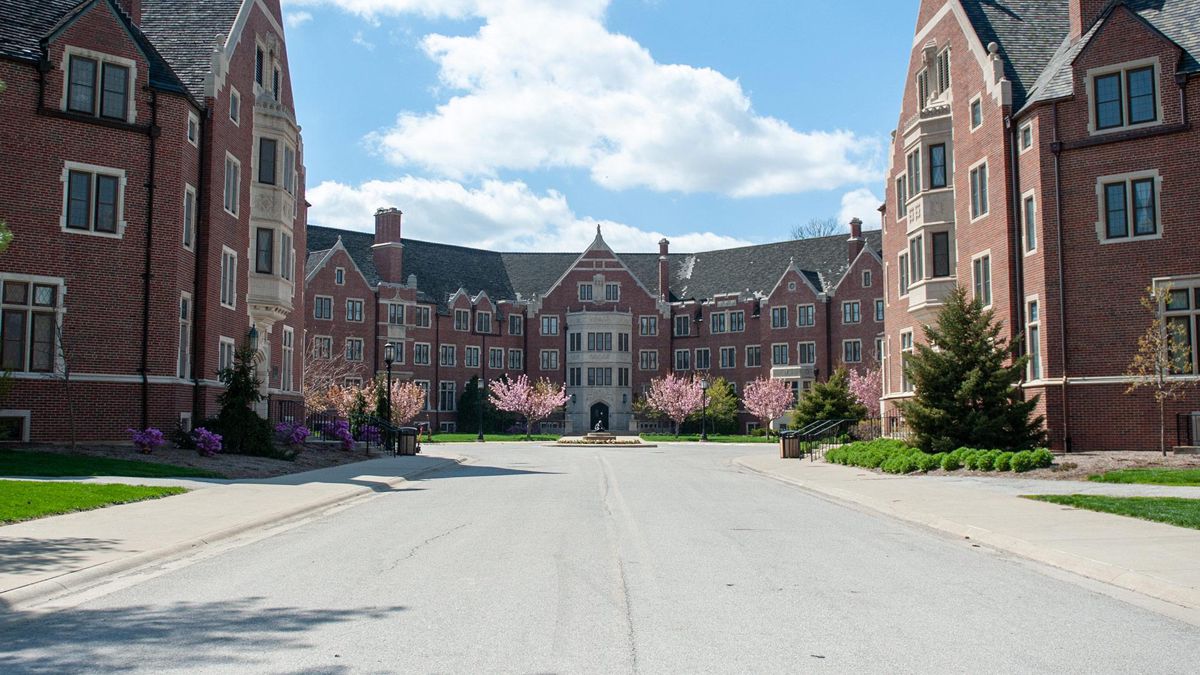
All-you-care-to-eat dining serving the Windsor and Cary residence halls area
205 North Russell Street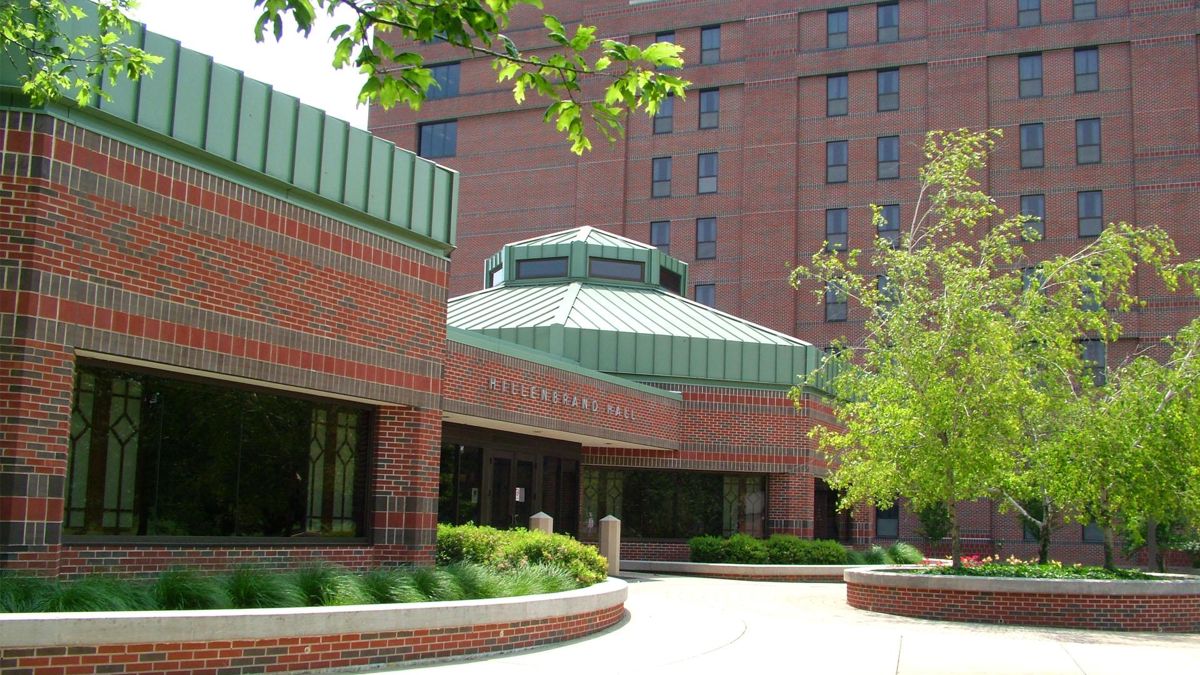
All-you-care-to-eat dining in Hillenbrand Hall — no breakfast; lunch through dinner on weekdays, Sunday brunch, closed Saturdays.
1301 3rd St
Grab-and-go breakfast and lunch at Earhart Dining Court — swipe a meal and take it to class. Weekdays only.
1275 First Street
Grab-and-go breakfast and lunch at Ford Dining Court — swipe a meal and take it to class. Weekdays only.
1122 West Stadium Avenue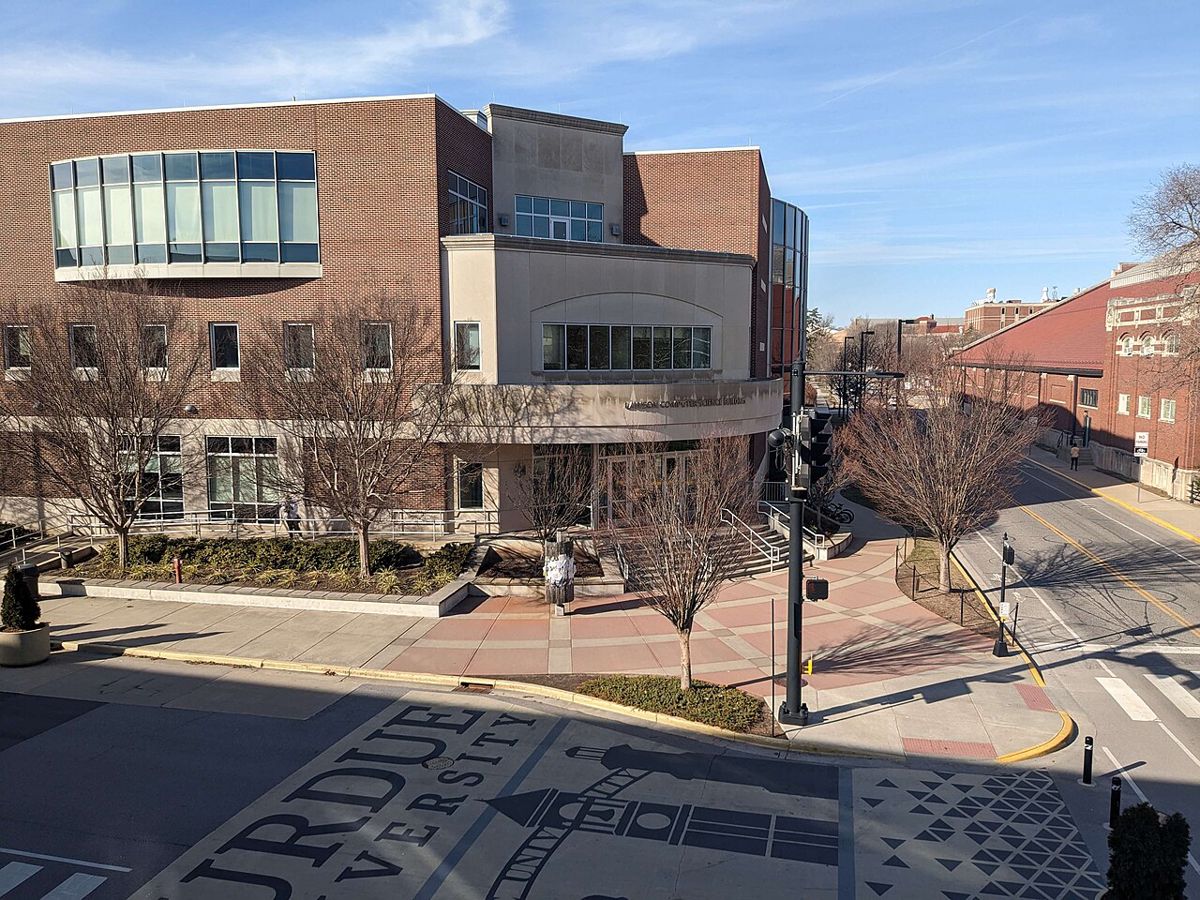
Grab-and-go breakfast and lunch at the Lawson Computer Science Building — swipe a meal and take it to class. Weekdays only.
305 N. University Street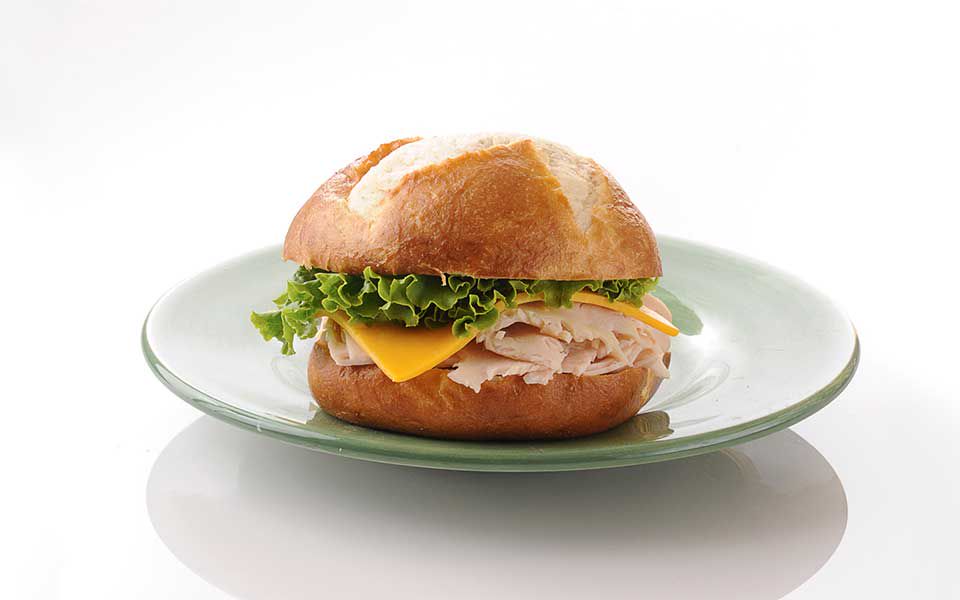
Grab-and-go breakfast and lunch at Windsor Dining Court — swipe a meal and take it to class. Weekdays only.
205 North Russell Street
PMU food court: Zen poké, DSJ Asian Grill and Sushi Boss (daily 11–8), Choolaah, Burgers + Fries, Tenders Love & Chicken, Any Way You Slice It.
101 N Grant St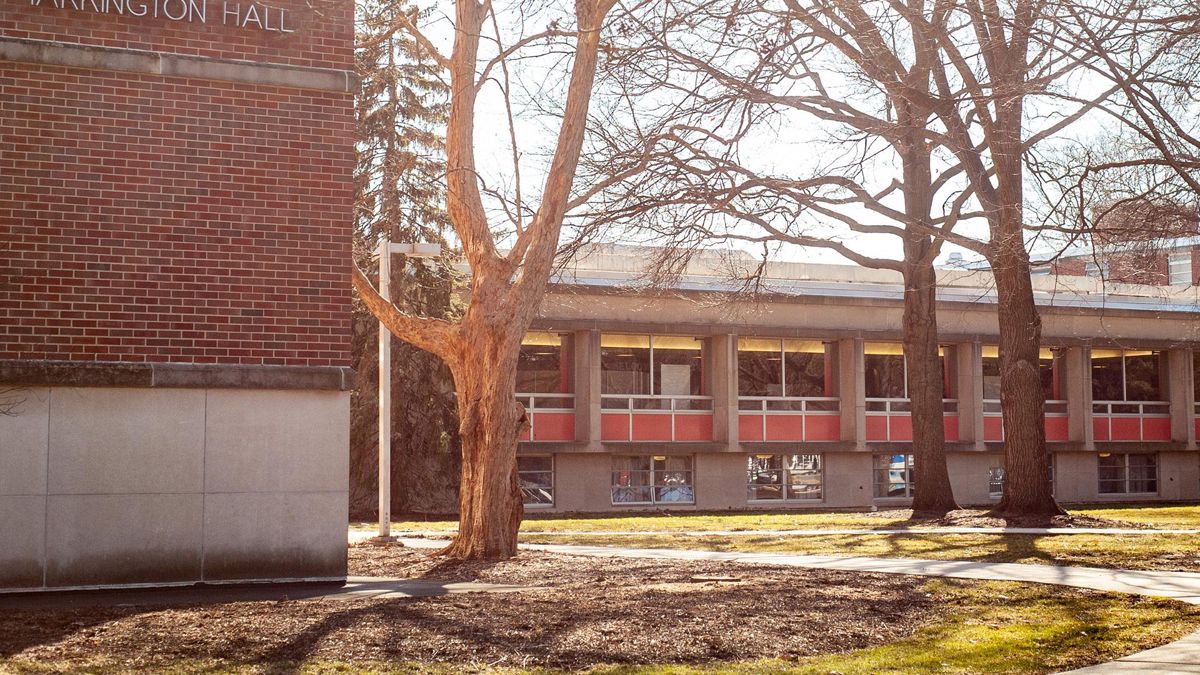
Grab-and-go pizza in Tarkington Hall with meal swipe and mobile ordering through the TransAct app.
1165 West Stadium Avenue
Grab-and-go globally inspired entree bowls in Meredith Hall — rotating menu, accepts meal swipes.
201 North Martin Jischke DriveSushi spot in Meredith Hall offering fresh sushi rolls on a meal swipe.
Meredith Hall
Made-to-order sushi rolls with the ingredients you pick — meal-swipe Quick Bites spot at South Hall (moved from Meredith).
201 MacArthur DriveFull-service Starbucks on the ground floor of Purdue Memorial Union — accepts Dining Dollars.
101 N Grant Street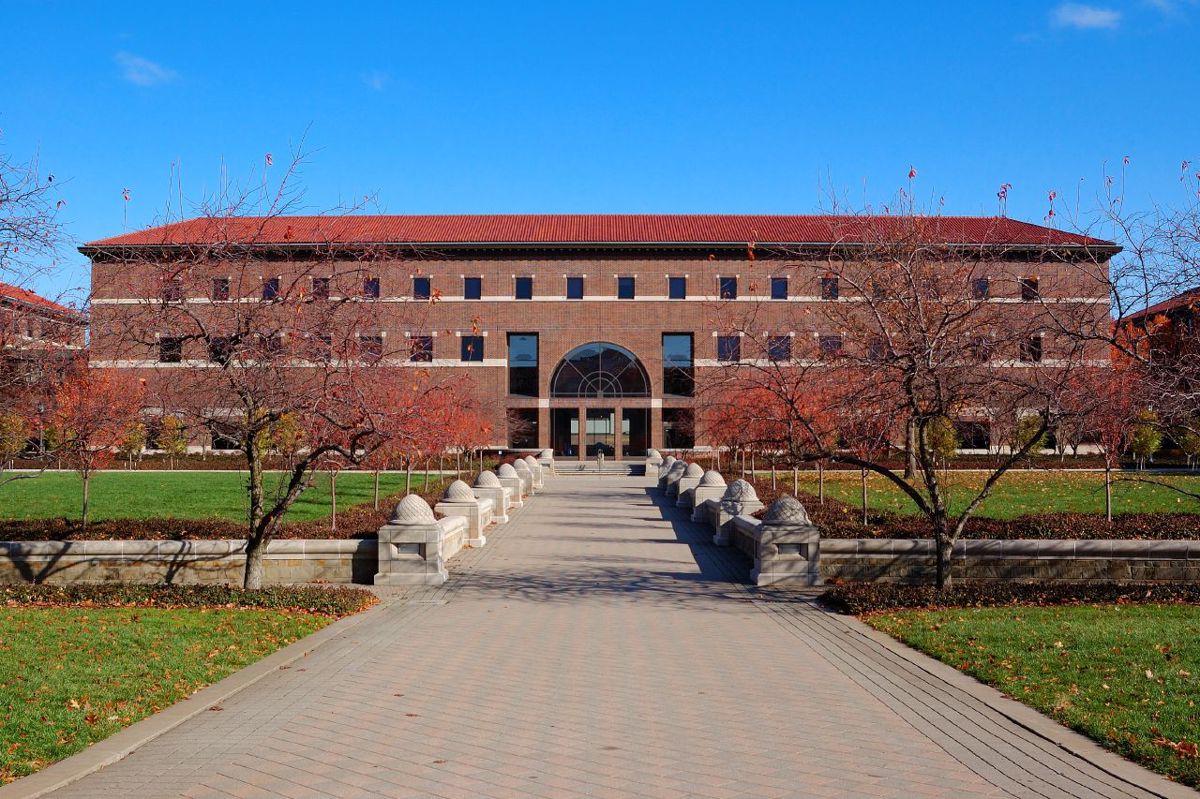
Starbucks in the Materials and Electrical Engineering building — popular with engineering students. Closed weekends.
501 Northwestern AvenueStarbucks on Third Street convenient for residence hall students — accepts Dining Dollars.
1196 Third StreetResidence halls, apartments and help finding a place.
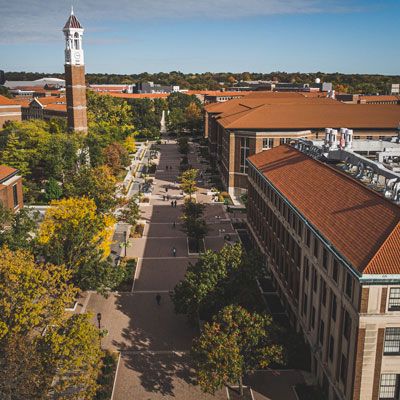
Four historic west campus halls — Cary Quadrangle, Owen, Tarkington, and Wiley — housing first-year students.
Cary Quadrangle, 1000 W Stadium Ave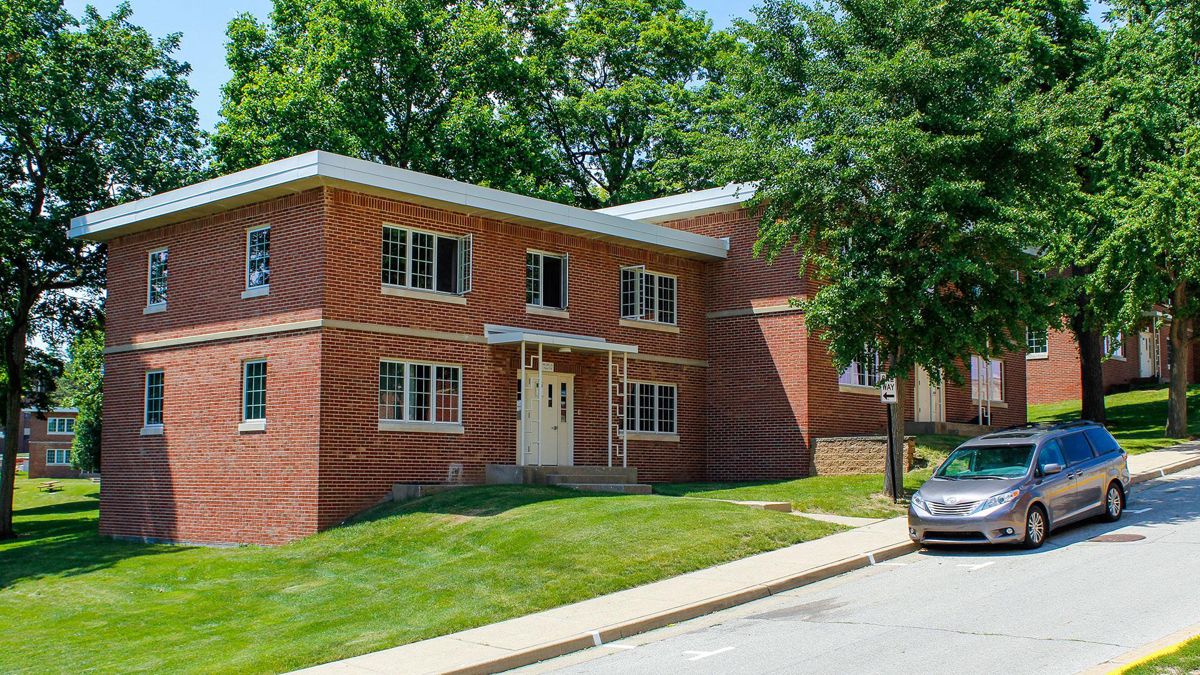
31-building on-campus apartment complex for freshmen through seniors with kitchenettes and A/C.
23-5 Hilltop Dr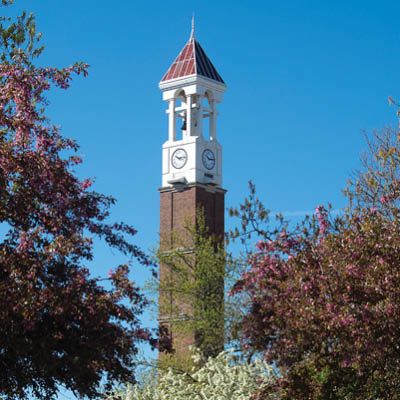
Central office for residence hall assignments, contracts, meal plans, and housing questions.
1225 Third StAir-conditioned residence hall with double rooms, community bathrooms, spacious study lounges, and attached Earhart Dining Court.
1275 1st StreetModern residence hall with its own dining court attached, offering a convenient living-dining experience in the Mosaic Mile neighborhood.
1301 3rd Street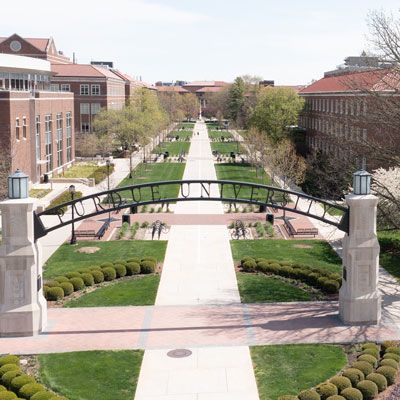
Four large halls — Earhart, Harrison, McCutcheon, and Shreve — near Stadium Ave and Northwestern Ave.
Earhart and Shreve halls, 1275 3rd StLargest co-ed residence hall on campus housing 862 students with air-conditioned double rooms, study spaces, and recreation areas.
1275 3rd StreetHistoric all-male residence hall situated next to Ross-Ade Stadium, Mackey Arena, and Ford Dining Court.
1030 3rd StreetResidence hall divided into four living units, home to Pete's Za pizza restaurant. Named after Purdue contributor Newton Booth Tarkington.
1165 Mitch Daniels BlvdNew 8-story, 252,000+ sq ft residence hall with nearly 900 beds opening fall 2026. Pod-style housing with singles, doubles, triples, and quads.
Shuttles, parking and accessible rides.
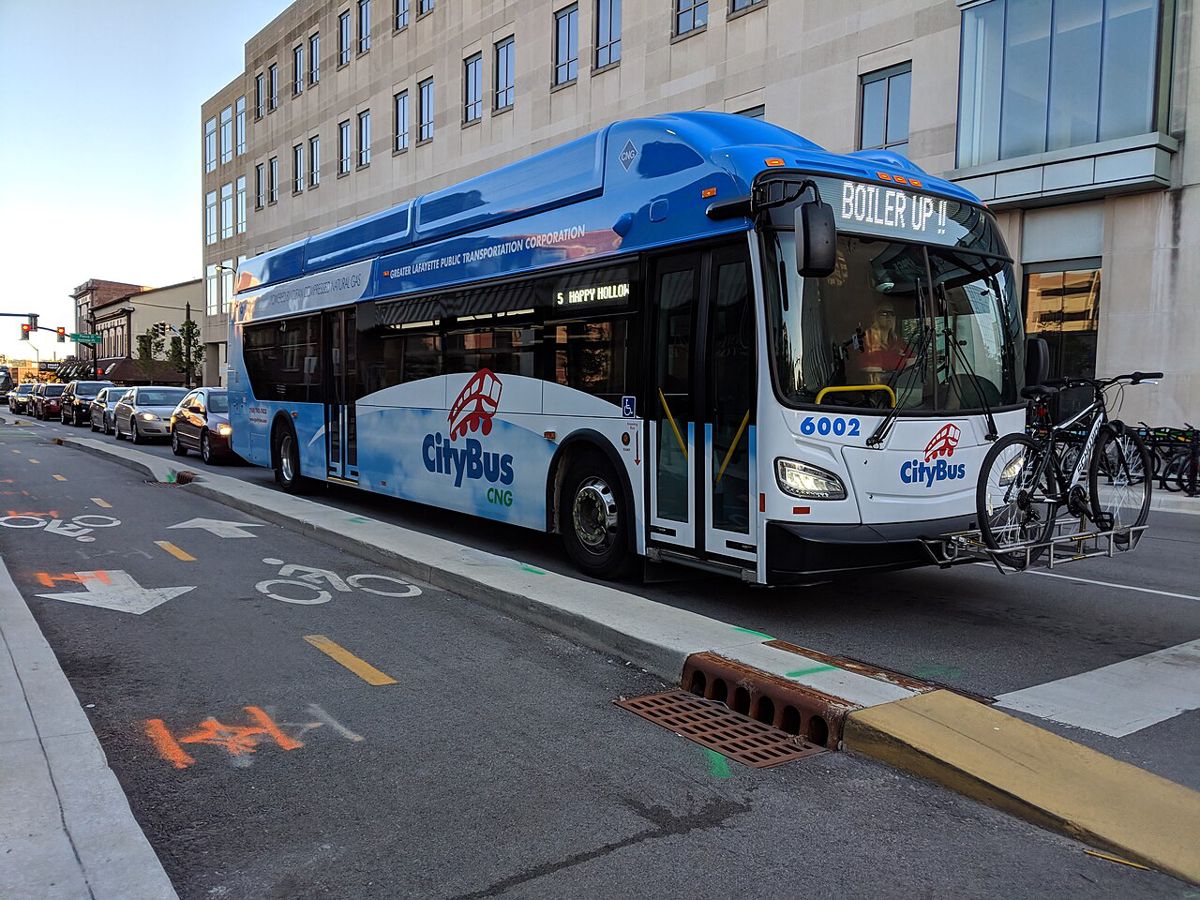
Free campus bus routes for Purdue students with valid ID. Multiple routes connect campus, residence halls, and West Lafayette.
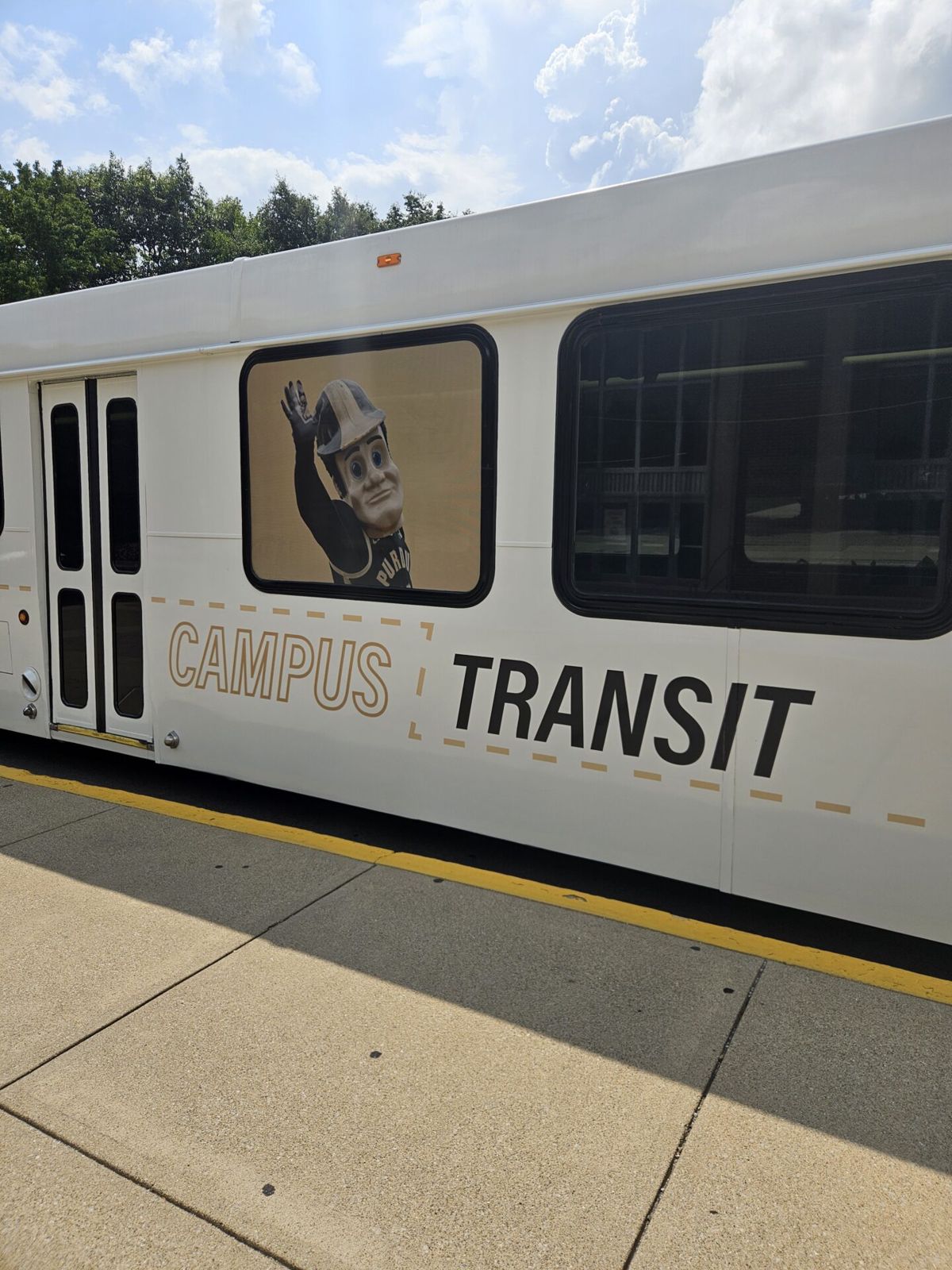
Free on-campus bus routes and on-demand rides for students, faculty, and staff during the academic year.
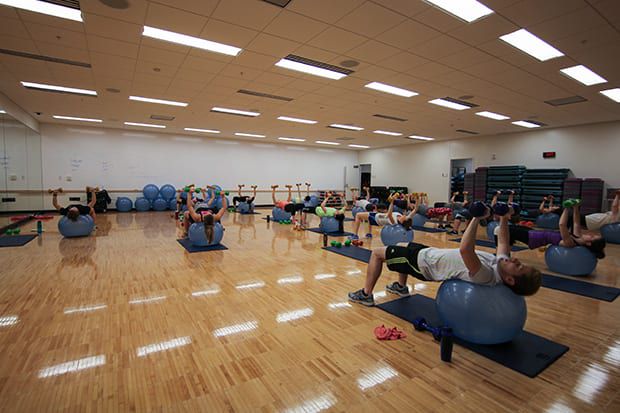
Multiple parking garages and surface lots across campus. Student permits required. Managed by Purdue Parking Services.
Student, faculty, and visitor parking permits, citations, and garage information.
700 Ahlers DrManages campus parking permits and regulations. Permits required Mon-Fri 7am-5pm. Visitor parking also available.
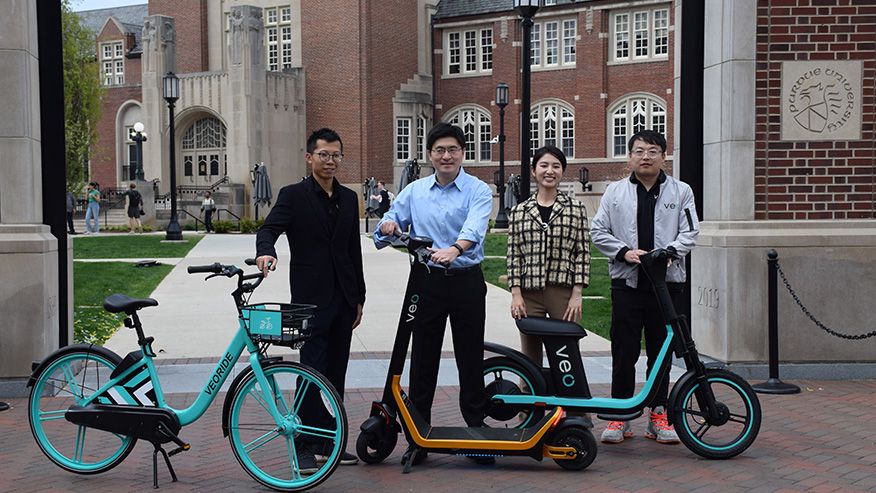
Dockless e-scooters and e-bikes available across campus via the Veo app, seasonal March through December.
Typical pay 4 years after graduating. Top 6 of 69 bachelor's majors with published pay.
Source: College Scorecard, field-of-study data.
5 things worth doing early
In 2013 Purdue froze tuition at the 2012 level, ending 37 consecutive years of increases, and it has not moved since. Base undergraduate tuition is still $9,992 a year for Indiana residents and $28,794 for out-of-state students, held through 2026-27 — the fourteenth consecutive freeze. The cumulative effect is not small: Purdue puts the saving to students and families at more than $1 billion since 2012-13, with annual student borrowing down 32% over the same period. Worth understanding precisely, because it is easy to over-read: the freeze covers base tuition and mandatory fees. It does not freeze housing and dining, which the trustees set separately each year, and it does not freeze course or programme fees attached to particular majors. Your total bill can still move; the tuition line does not. If you see a page saying the streak runs through 2025-26, that is an older page — the trustee releases are the current source.
University regulation: "a student may attempt a non-repeatable course ... up to three times." Three. For the whole degree, not per year. The detail that catches people is what counts as an attempt. Mechanical Engineering states it flatly: "Three Attempt Rule – a MAXIMUM of 3 attempts to successfully pass a course. Attempts include withdrawals (W and/or WF grades)." So a withdrawal in week eight is not a free escape — it spends one of your three. A fourth attempt is possible but it requires a waiver of University regulation, it is not guaranteed, and the College of Science is explicit that "Fourth attempt decisions may not be appealed." The consequence is bigger than one class. In Purdue's own words, "The inability to complete a degree requirement under University regulation can result in the inability to pursue a degree program." Run out of attempts at a required course and the major itself is in question. Two more rules from the ME page worth knowing: a C or higher cannot be repeated at all, and you cannot take a course and repeat its prerequisite in the same semester.
The Boilermakery is an interactive makerspace on the ground floor of the Bechtel Innovation Design Center, and it is "free to use for all Purdue students regardless of college or major" — funded by the Purdue Student Fee Advisory Board, which is to say you are already paying for it. It runs Bambu Labs P1S 3D printers with a 256 x 256 x 256 mm build volume, plus hand tools and manufacturing machines. 1090 3rd Street. Separately, the Libraries' Knowledge Lab in WALC 3007 lends cameras, tripods and other maker tools. Reserve at least 24 hours in advance and bring your PUID to collect. The Libraries do NOT lend laptops, though the desktop computers are open to any student. There is also a Lending Locker run by Student Activities and Organizations, requested through BoilerLink.
RecWell membership is applied through your student fees when you are enrolled in 8 or more credit hours. That covers the Córdova Recreational Sports Center, the Boilermaker Aquatic Center and the Turf Recreational Exercise Center. Fall below that line — 7 credit hours or fewer — and the membership is no longer included. You would buy a semester membership instead, at $125. This is the quiet cost of a late drop that nobody mentions when you are deciding whether to drop. If you are sitting at 9 or 10 credits and considering dropping one more class, check where that leaves you before you file it, because the gym is not the only thing keyed to a credit-hour threshold — financial aid and housing frequently are too.
This is the part students actually use most: hit record at the start of class and Gus gives you back a timestamped transcript, a summary, and the key topics the lecture covered — so "what did he say about that" stops being a guess. The transcript is where it starts, not where it ends: from that same lecture you can generate flashcards, a practice quiz, or a podcast to listen to on the walk down State Street. It works on a phone in your pocket, and it keeps working if the lecture runs long.
One claim we could not verify, and left out
Several summaries of Purdue's repeat policy state that if you fail your most recent attempt at a course you lose credit you had already earned for it on an earlier attempt. That would be a significant thing to know, and it may well be true — but we could not find it stated on a Purdue page we could read, so it is not in the video. If you are repeating a course you have already passed, ask your advisor directly rather than trusting a summary, including this one.
Purdue academic regulations — gradesGus is not affiliated with, endorsed by, or sponsored by Purdue University. Tips checked against Purdue's own pages in September 2026. Campus info last updated October 2026. Stats from the U.S. Department of Education College Scorecard. Something out of date? hello@meetgus.app · All campus guides