Getting around
Shuttle-UM
Free campus bus system with 19 routes connecting campus, College Park, and regional transit hubs
The student guide to College Park, Maryland: where to eat, live and get help, what a year really costs, and the free stuff most students miss.
Source: U.S. Department of Education, College Scorecard.
After grants and scholarships, by family income. Average: $14,296.
Getting around
Free campus bus system with 19 routes connecting campus, College Park, and regional transit hubs
Health & safety
Free confidential counseling, therapy, crisis support, and group sessions for students
Dining halls, quick bites and coffee on campus.
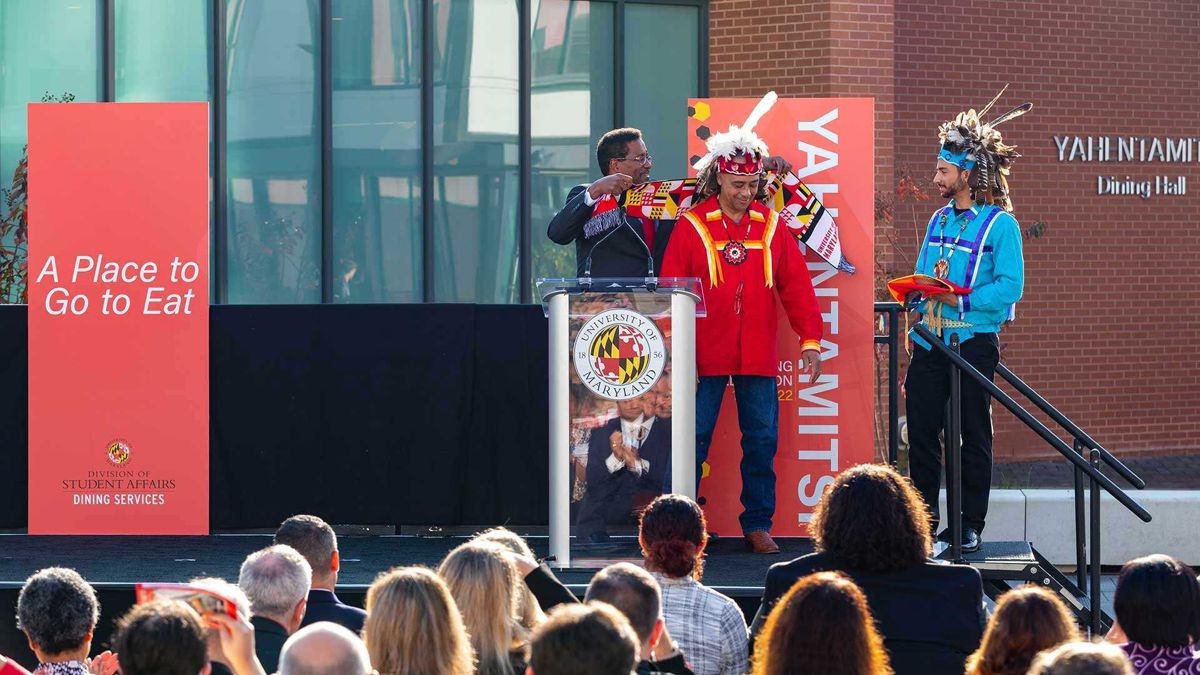
Newest all-you-care-to-eat dining hall in the Heritage Community, featuring micro-restaurants and diverse culinary stations.
4136 Stadium Dr
Large all-you-care-to-eat dining hall at South Hill with 38+ culinary stations and the new Testudo Lounge
7093 Preinkert Dr
All-you-care-to-eat dining hall in Denton Community with extended evening hours, a Halal station, allergy-free Purple Zone, and Maryland Dairy
3951 Denton Service Ln
North Campus dining hall in the Denton Community with extended evening hours
3951 Denton Service Ln
Food court in the Stamp Student Union with Chick-fil-A, Panda Express, Qdoba, Hibachi San, Panera, Subway, and more
3972 Campus Dr
Starbucks coffee, espresso drinks, and fresh pastries on the first floor of the Stamp Student Union
3972 Campus Dr
Cafe in the Brendan Iribe Center for Computer Science serving coffee, snacks, and light bites in the building atrium
8125 Paint Branch DrCafe in the Edward St. John Learning and Teaching Center
4131 Campus Dr
Starbucks coffee and snacks inside McKeldin Library, ideal for study breaks between classes
7649 Library Ln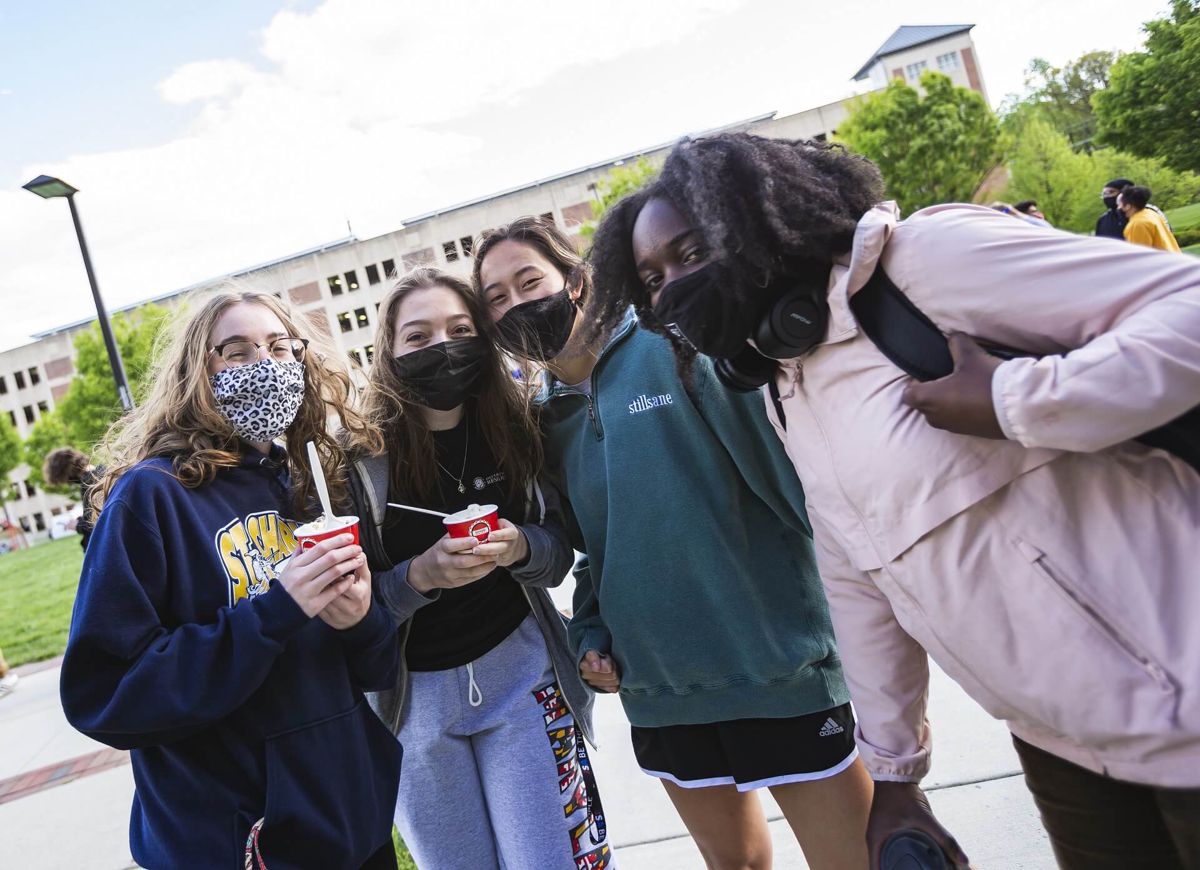
UMD's famous ice cream shop in the Stamp Student Union, creating custom flavors for Terrapin coaches and campus VIPs
3972 Campus Dr
Convenience store, grill, and Starbucks coffee and bubble tea shop in the Ellicott Community Center on North Campus
4100 Union Ln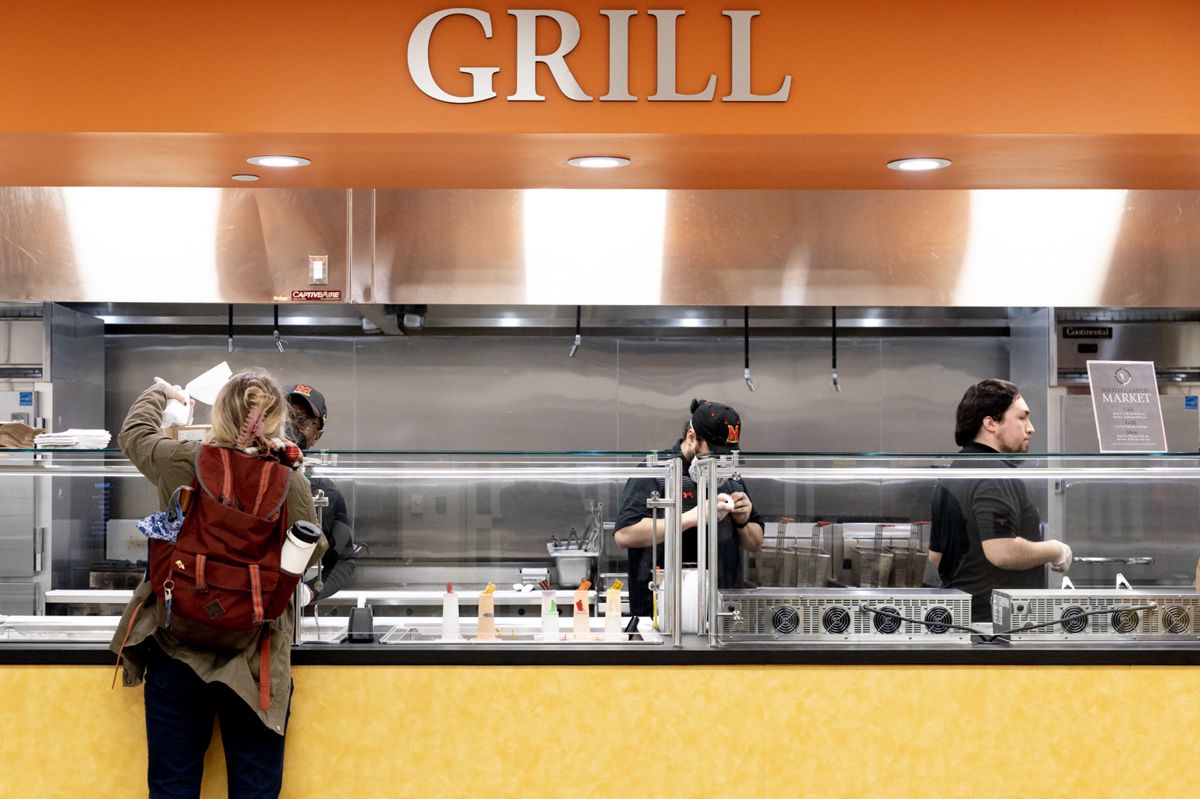
Convenience store near South Campus Dining Hall with snacks, fresh fruit, sandwiches, salads, and essentials
7093 Preinkert Dr
Convenience market in the Stamp Student Union for quick grabs between classes
3972 Campus Dr
Food court near South Campus with quick-service options including Subway and Taco Bell Express
Starbucks in the Stamp Student Union for signature coffee and pastries
3972 Campus Dr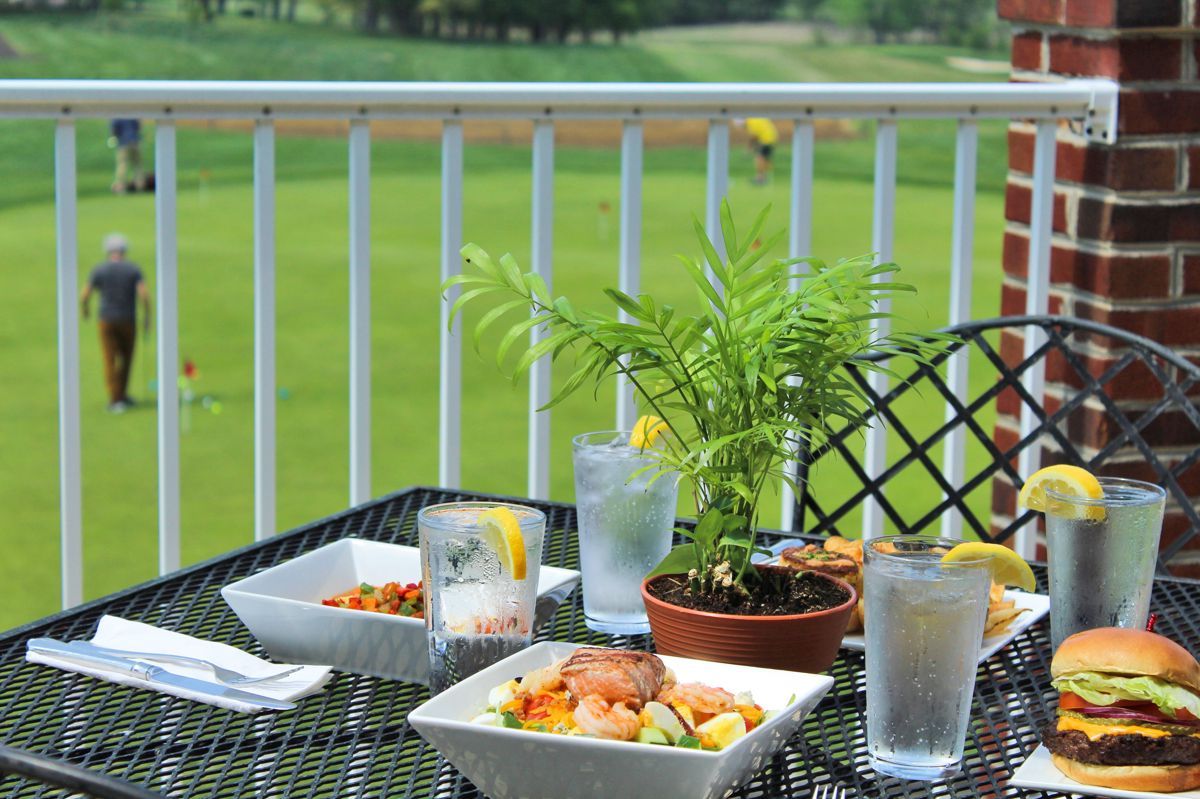
Full-service restaurant in the University Golf Course clubhouse with classic Maryland cooking, craft beer, and outdoor patio dining
3800 Golf Course RdResidence halls, apartments and help finding a place.
Traditional-style residence halls on North Campus near Eppley Rec and XFINITY Center, home to College Park Scholars
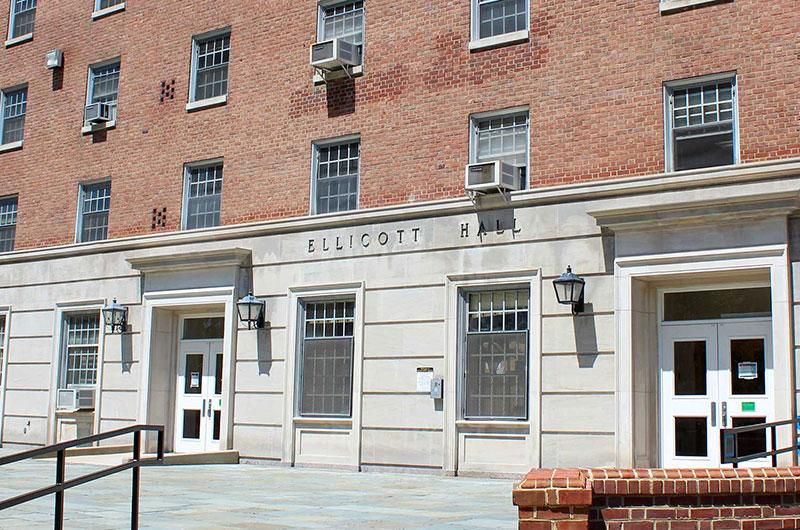
Traditional-style residence halls including Ellicott, Hagerstown, and La Plata on North Campus near Eppley Rec Center
4052 Stadium Dr
Central housing office managing 39 residence halls with 9,601 beds
Stamp Student Union, 3972 Campus Dr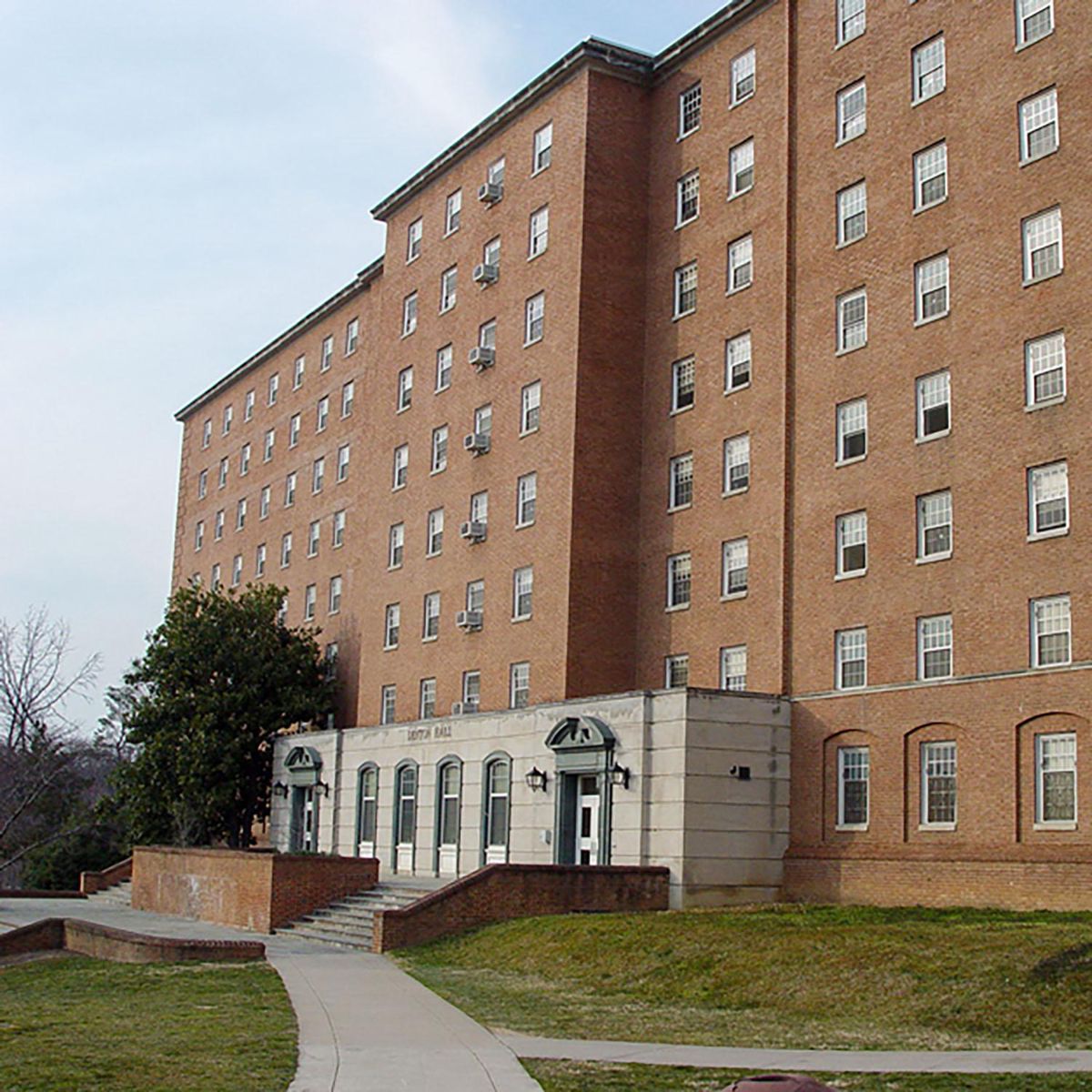
North Campus residential area with traditional halls and 251 North dining, close to academic buildings
3951 Denton Service Ln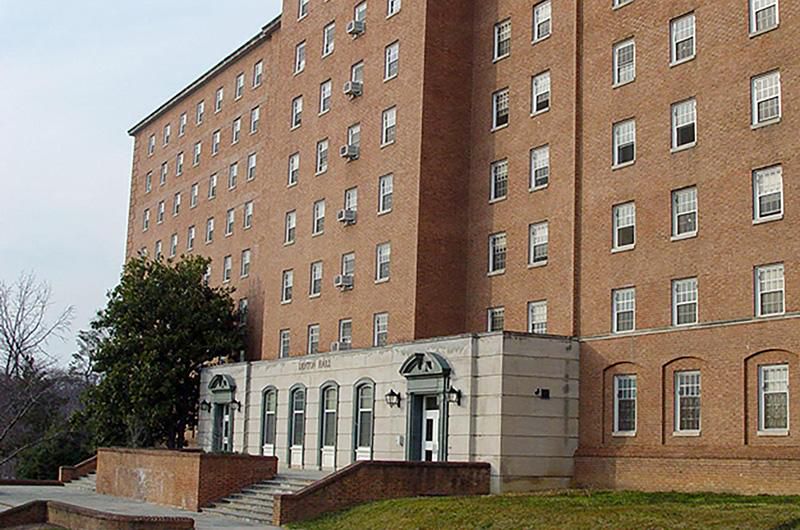
Traditional halls including Denton, Easton, and Elkton with 251 North dining nearby, close to academic buildings
3951 Denton Service LnSouth Campus residential village home to UMD Honors College with Yahentamitsi dining hall

Garden apartment-style housing for upperclassmen on South Campus with halls like Allegany, Baltimore, and Calvert
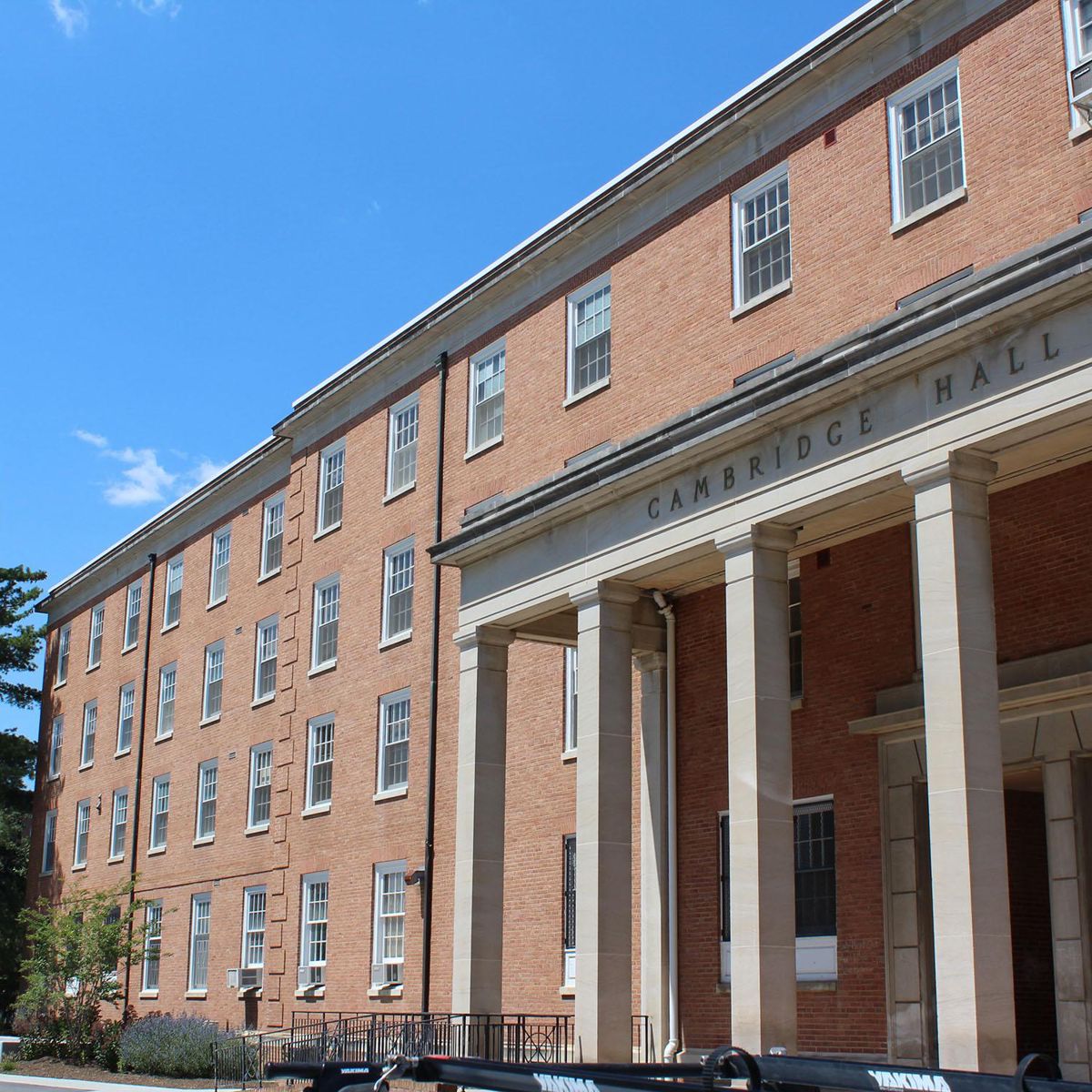
North Campus residential community near the center of campus
4230 Farm Dr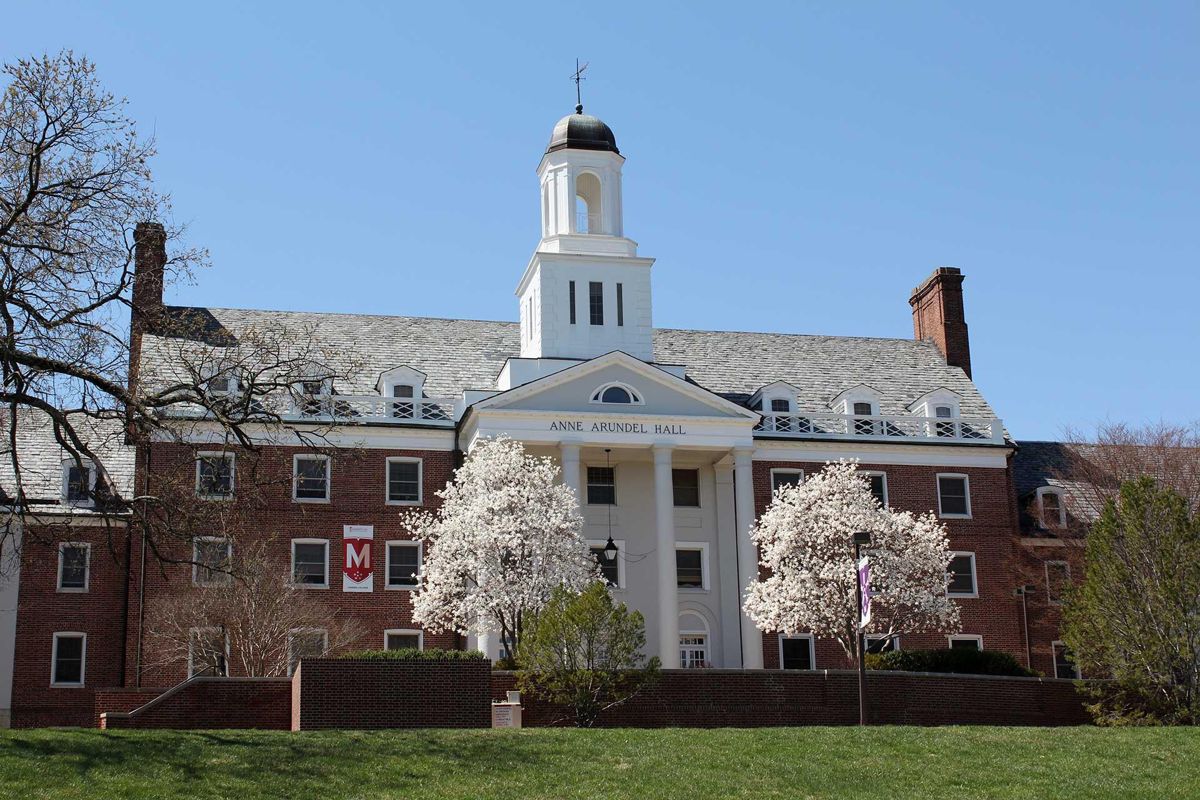
Semi-suite and suite-style housing near the business school, home to living-learning programs
Apartment-style housing for upperclassmen on South Campus with private bedrooms and kitchens
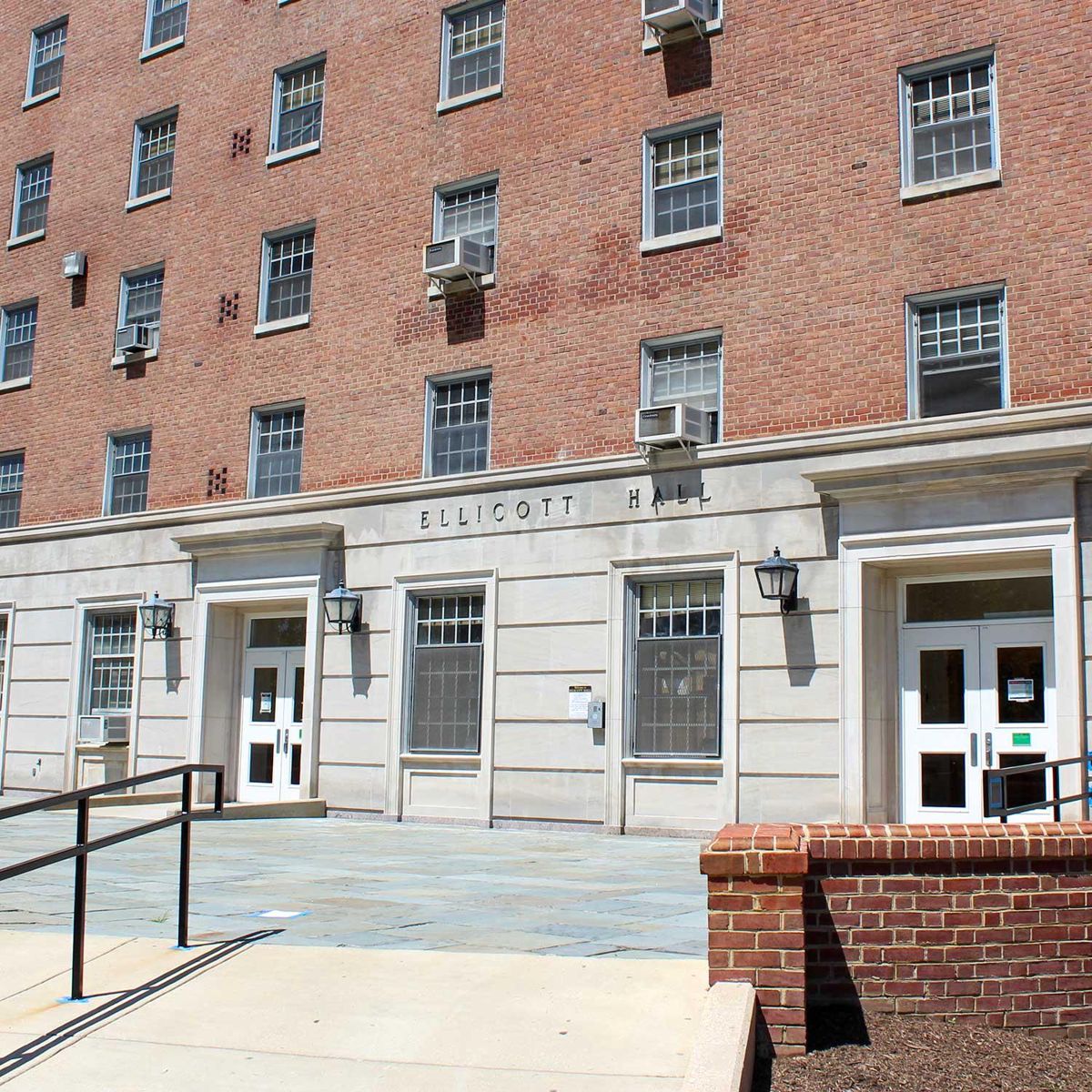
North Campus community with Ellicott, Hagerstown, and La Plata Halls
8075 Hagerstown Ln
Apartment-style upperclassmen housing on South Campus with full kitchens
4250 Lehigh Rd
Apartment-style housing for upperclassmen with shuttle access
8000 Boteler LnShuttles, parking and accessible rides.

Free campus bus system with 19 routes connecting campus, College Park, and regional transit hubs
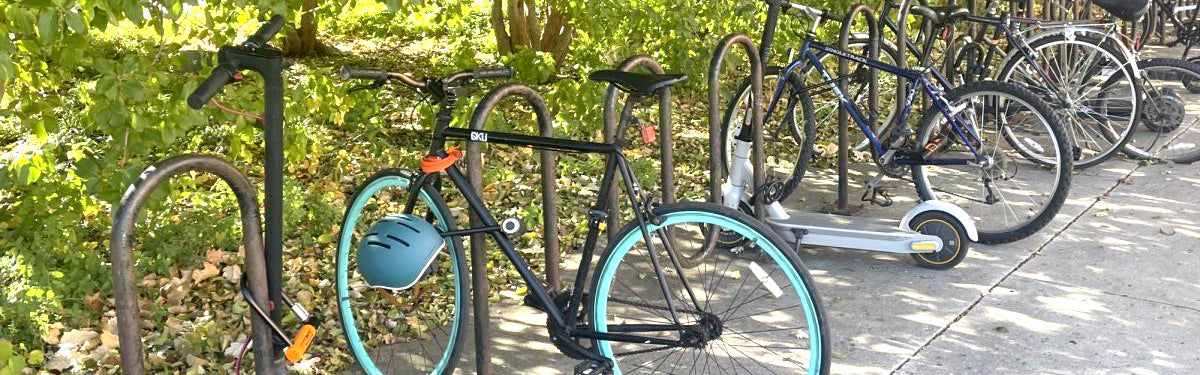
Campus cycling program with free bike maintenance, covered parking, safety gear discounts, and bike registration
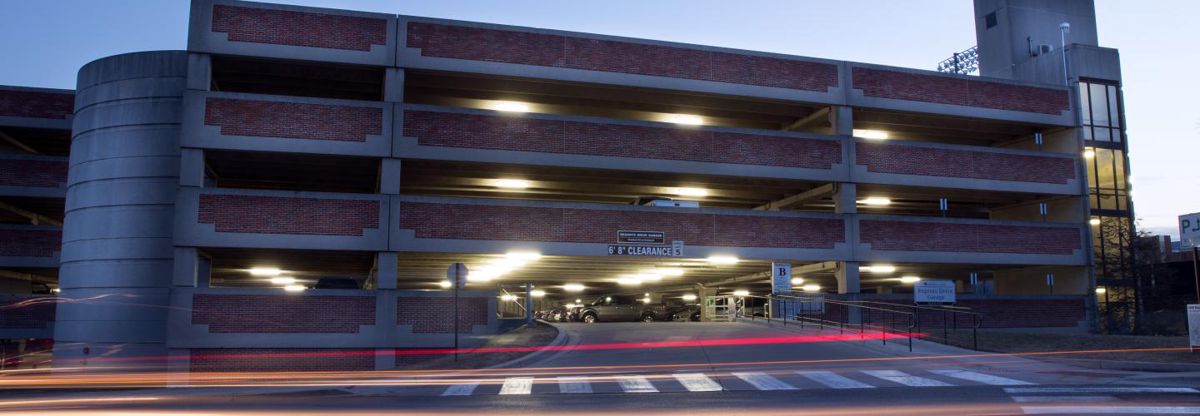
Campus parking management with 16,000+ spaces, permits, visitor parking, and garage options
Regents Drive Garage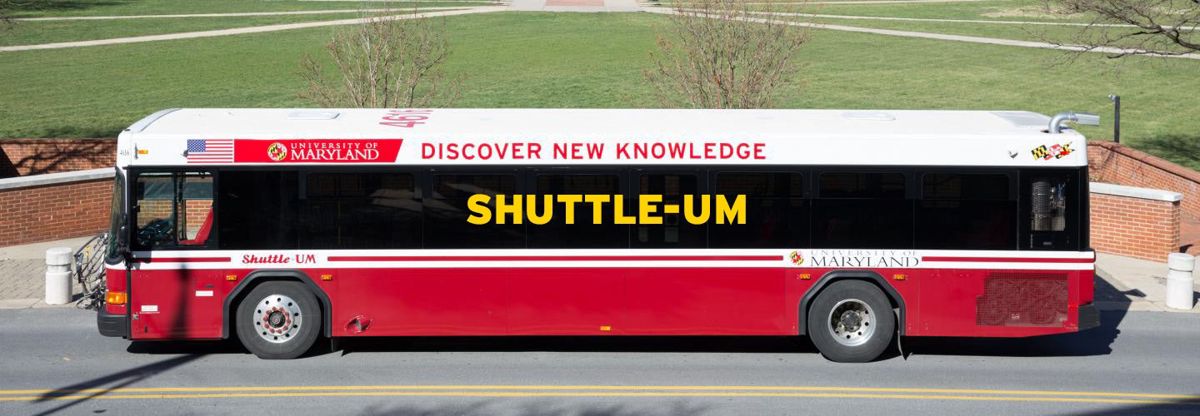
On-demand evening/overnight safe ride service, 5:30pm-7:30am daily
University of Maryland
WMATA Green Line Metro station connecting campus to Washington DC, with Shuttle-UM service
4931 Calvert RdElectric bike and scooter rentals available across campus through the Veo app

Campus parking permits, registration, and visitor parking — 16,000 spaces
8056 Regents Dr, Bldg #202
Rent e-bikes and e-scooters via the Veo app — 650+ vehicles across campus
University of MarylandTypical pay 4 years after graduating. Top 6 of 54 bachelor's majors with published pay.
Source: College Scorecard, field-of-study data.
5 things worth doing early
The Undergraduate Catalog sets the maximum load for fall and spring at "20 credits (16 credits before the First Day of Classes)", without prior approval from your advising college. So the fifth or sixth class you want is not blocked forever — it is blocked until day one. The practical move: build your schedule to 16 during registration, keep an eye on the section you want, and add it on the first day of classes when the cap rises to 20. Winter session is capped at 4 credits and each summer session at 8.
"The Schedule Adjustment Period is the first 10 days of classes for the fall and spring semesters", and adds and drops made then do not appear on your permanent record. After that comes the Drop Period, which runs to the 10th week. Drops there are recorded with a W — kept out of your GPA — but the Registrar is explicit about the limit: "During this period an undergraduate student may drop a maximum of four credits." A course worth more than four credits can still be dropped whole. Four credits is usually one class. If you are unsure about two, decide in the first 10 days.
UMD's course repeat policy has a New Student Provision. When the first attempt was "taken within the student's first semester (Fall or Spring semester) at the University of Maryland; or ... prior to or within the term in which the student reaches their 24th credit hour attempted, including transfer credits", only the most recent grade goes into your cumulative GPA. After that window, every attempt counts toward the GPA. Every attempt stays on the transcript either way, and "a maximum of 18 attempted credits may be repeated." So a rough first semester is more fixable than it feels — but the clock is your attempted credits, not your calendar, and AP or transfer credit counts toward the 24.
Guided Study Sessions are "FREE, regularly scheduled, peer-led group review sessions for students in traditionally difficult courses": "two, 50-minute study sessions per week", run by undergraduates "who have taken their GSS course in the past and succeeded." Current courses: BCHM 463, BSCI 170, BSCI 201, CHEM 131, CHEM 231, CHEM 241, ECON 200, MATH 140 and MATH 141. The program's own line: "students who attend GSS more frequently earn a higher course grades." Go in week two, not the week before the midterm.
Gus is an AI college companion built around your actual classes. Record a lecture and it writes the notes, pulls out the key topics, builds a flashcard deck, and makes a practice quiz from what was actually said. The flashcards come back on a spaced-review schedule, so the thing you missed shows up again right before you would have forgotten it. It is free to try.
Free tutoring for over twenty intro courses
Separate from GSS, Academic Achievement Programs runs Academic Success and Tutorial Services, which provides free peer tutoring to all students for more than twenty 100- and 200-level general education courses, plus historically difficult courses in biology, business, chemistry, computer science, economics, math and statistics, and physics.
Academic Achievement Programs — tutoringYou have to be in a major by 60 credits
The catalog: students must declare a degree-granting major by completing 60 credits, and be officially enrolled in the major when registering for their final 15 credits. Limited Enrollment Programs have their own, earlier gateway requirements — check yours now, not at 59.
UMD Catalog — Degree informationGus is not affiliated with, endorsed by, or sponsored by the University of Maryland, College Park. Tips checked against UMD's own pages in September 2026. Campus info last updated May 2026. Stats from the U.S. Department of Education College Scorecard. Something out of date? hello@meetgus.app · All campus guides