Academics & admin
ITS Service Desk
Free tech support — walk-in, phone, or chat
The student guide to Chapel Hill, North Carolina: where to eat, live and get help, what a year really costs, and the free stuff most students miss.
Source: U.S. Department of Education, College Scorecard.
After grants and scholarships, by family income. Average: $11,305.
Academics & admin
Free tech support — walk-in, phone, or chat
Health & safety
Free mental health counseling and 24/7 crisis support
Academics & admin
Free tutoring, coaching, and study skills support
Dining halls, quick bites and coffee on campus.
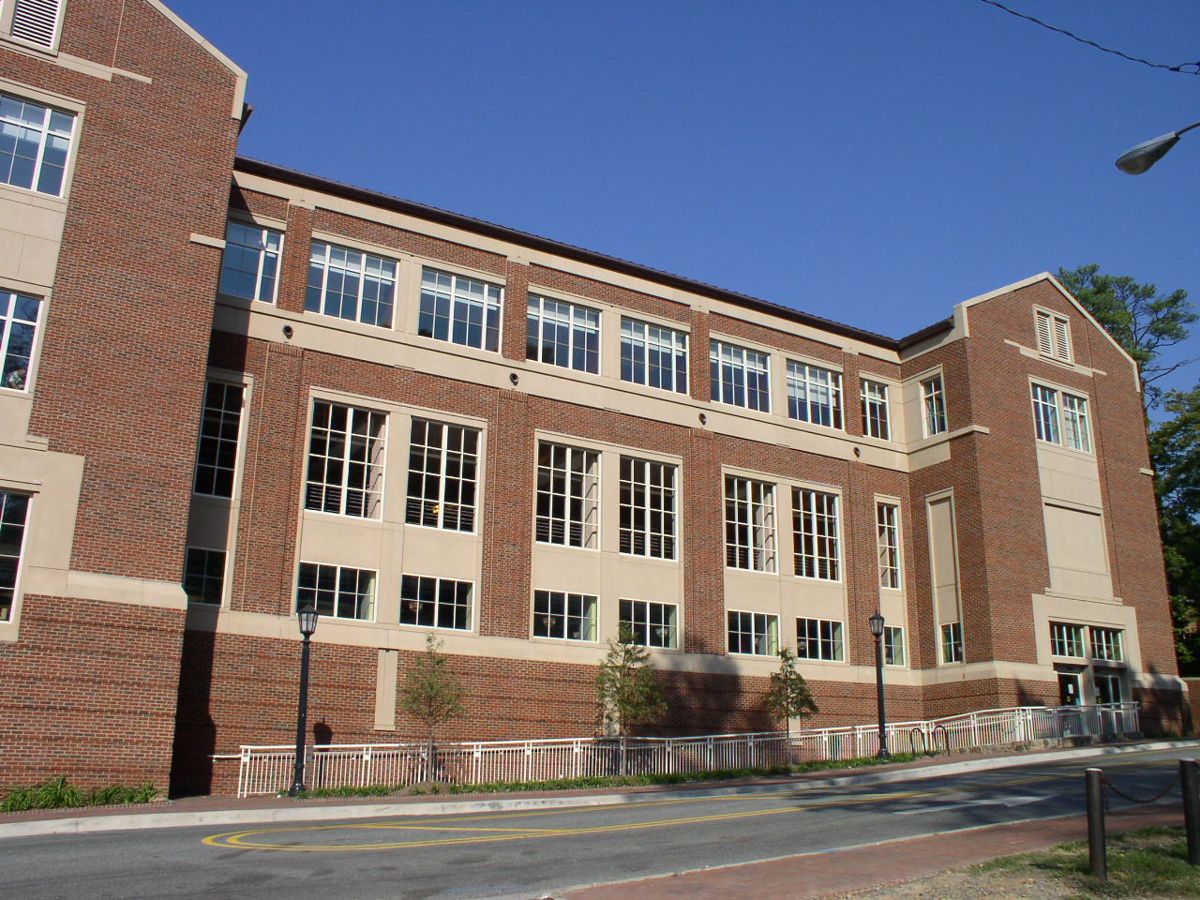
All-you-care-to-eat dining in Rams Head Center on South Campus
104 Ridge Rd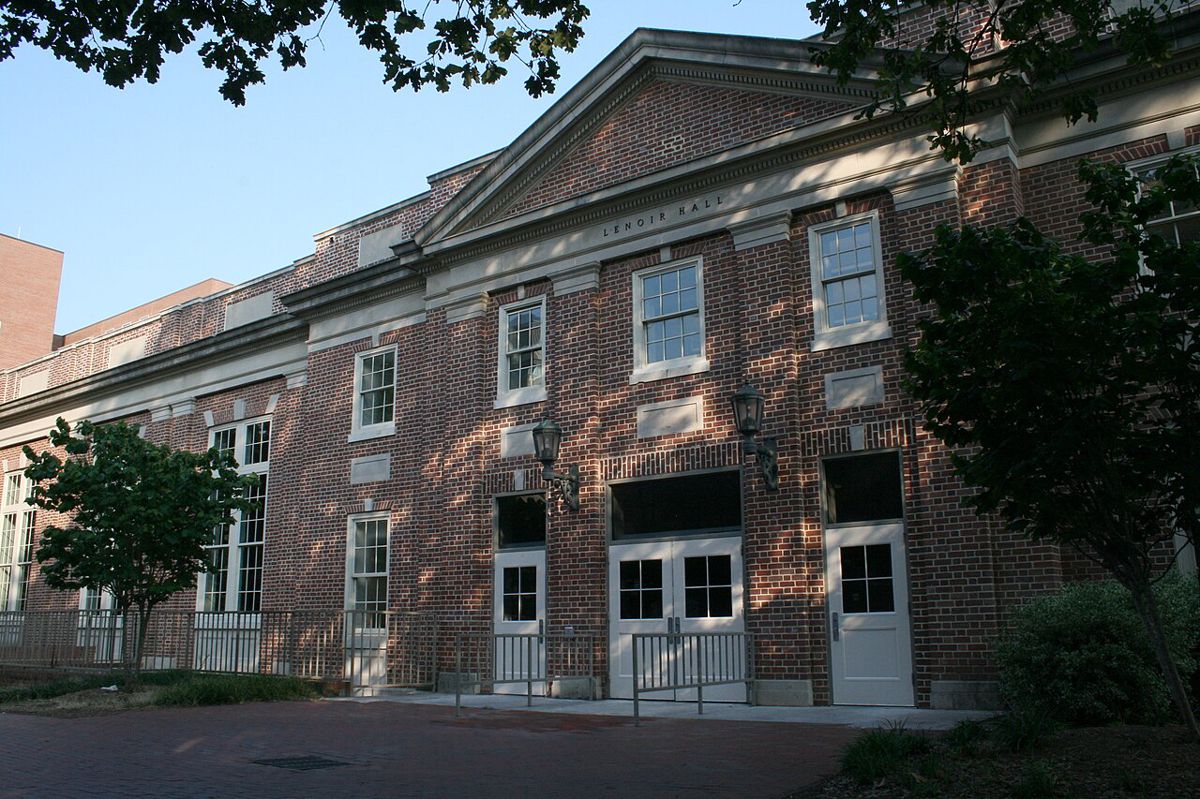
UNC's largest all-you-care-to-eat dining hall near The Pit
36 Lenoir Dr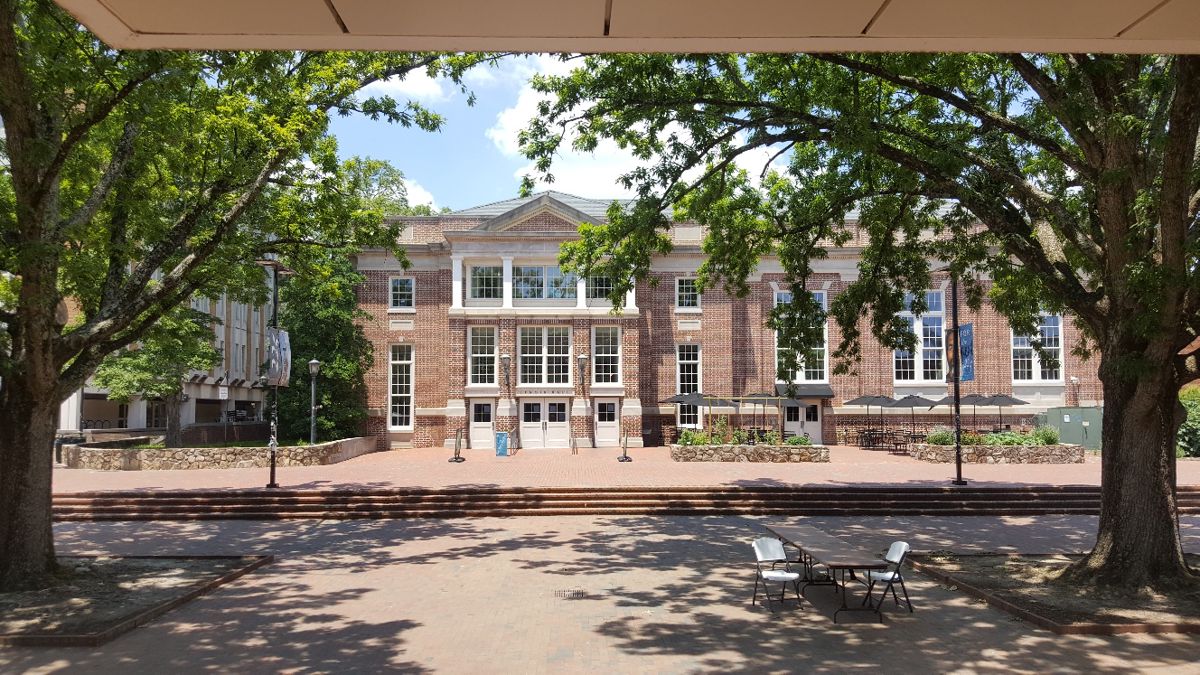
Food court with local and chain restaurant vendors
36 Lenoir Dr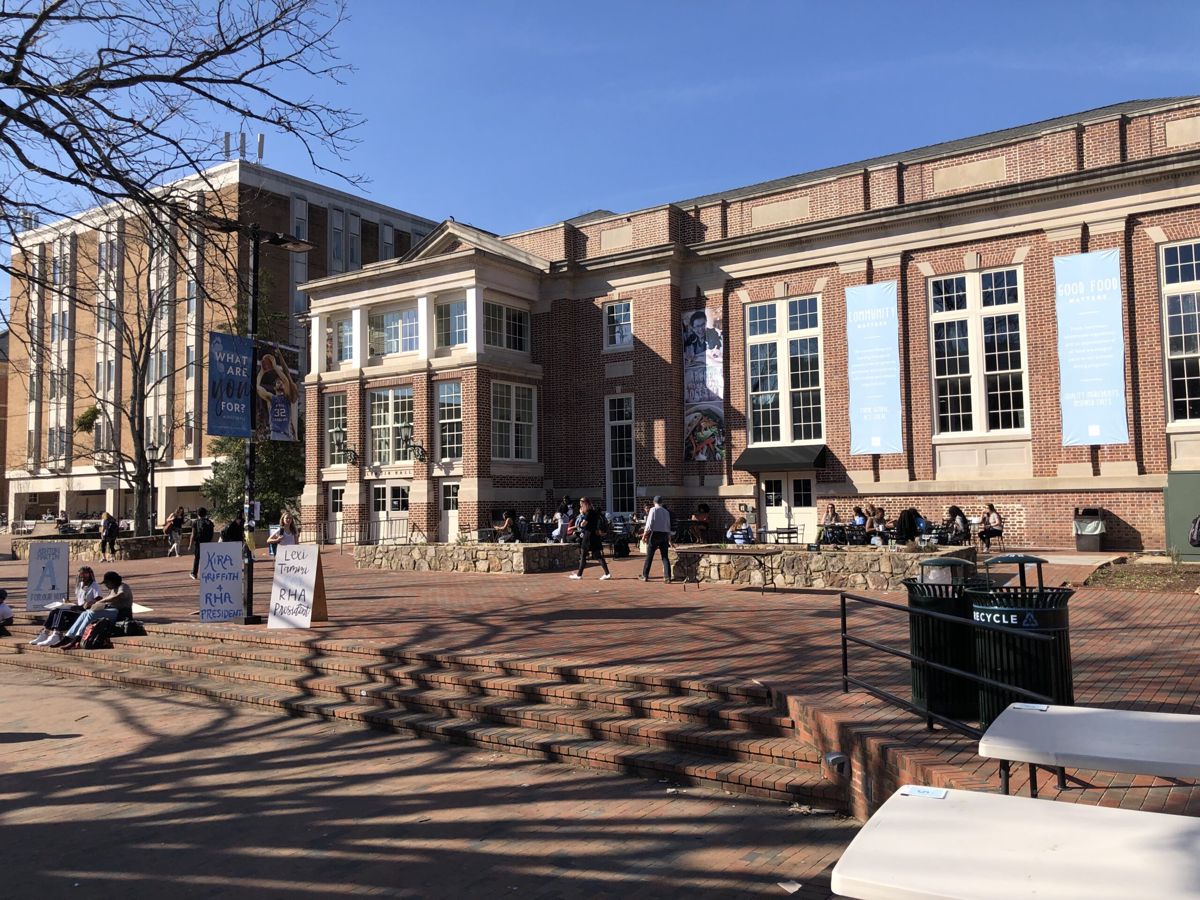
Chick-fil-A in the bottom of Lenoir Hall
36 Lenoir Dr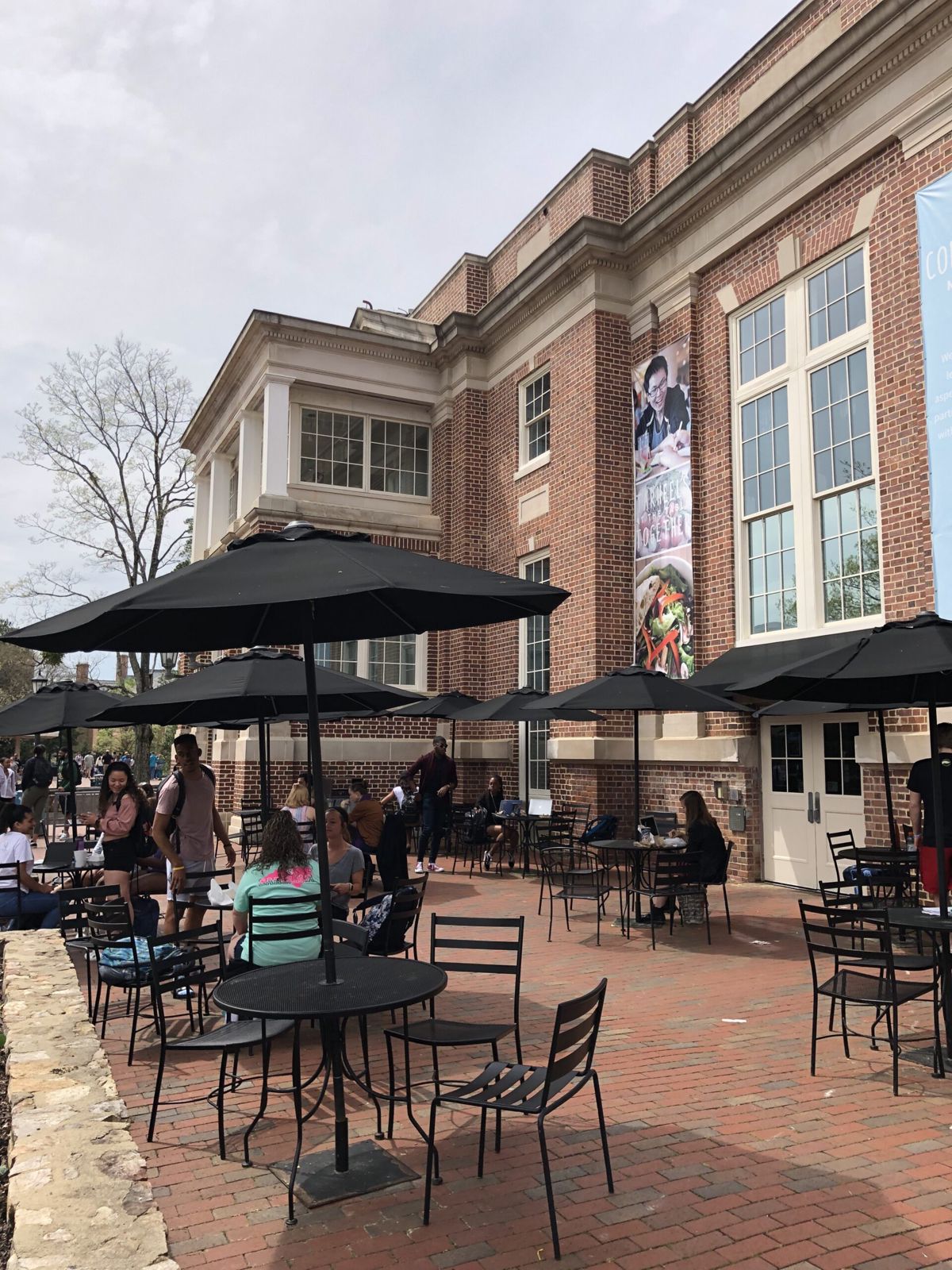
Authentic Mediterranean and Greek cuisine since 1991
36 Lenoir Dr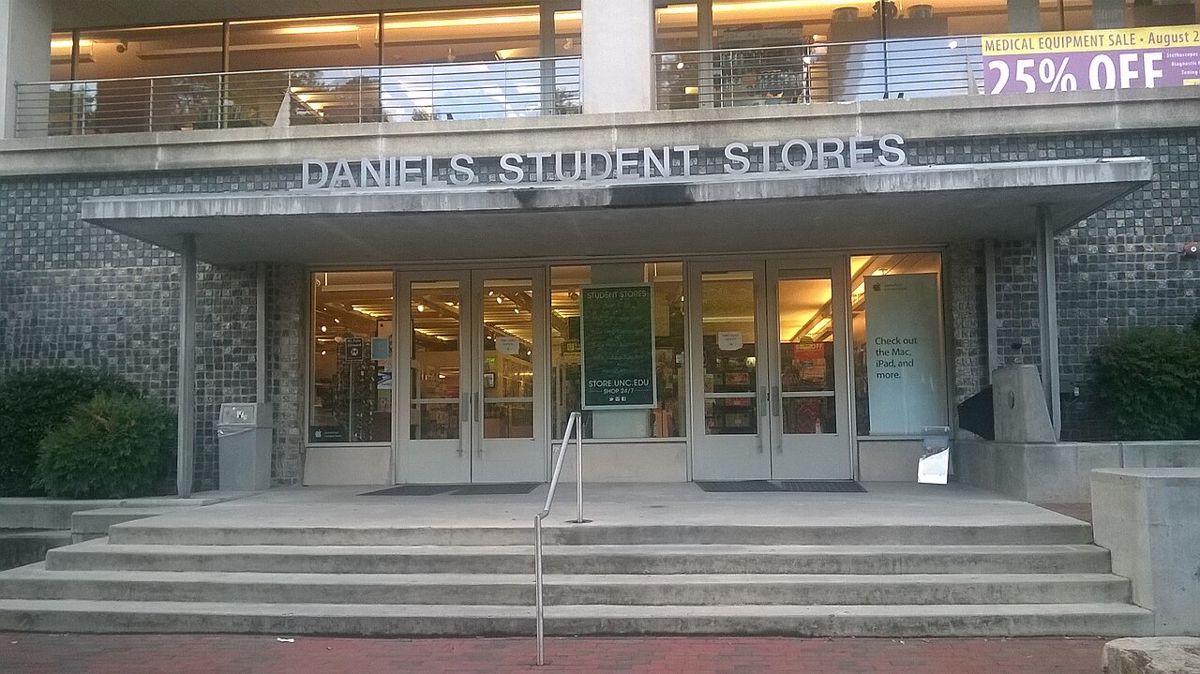
Campus convenience store with deli, bakery, and coffee
320 Ridge Rd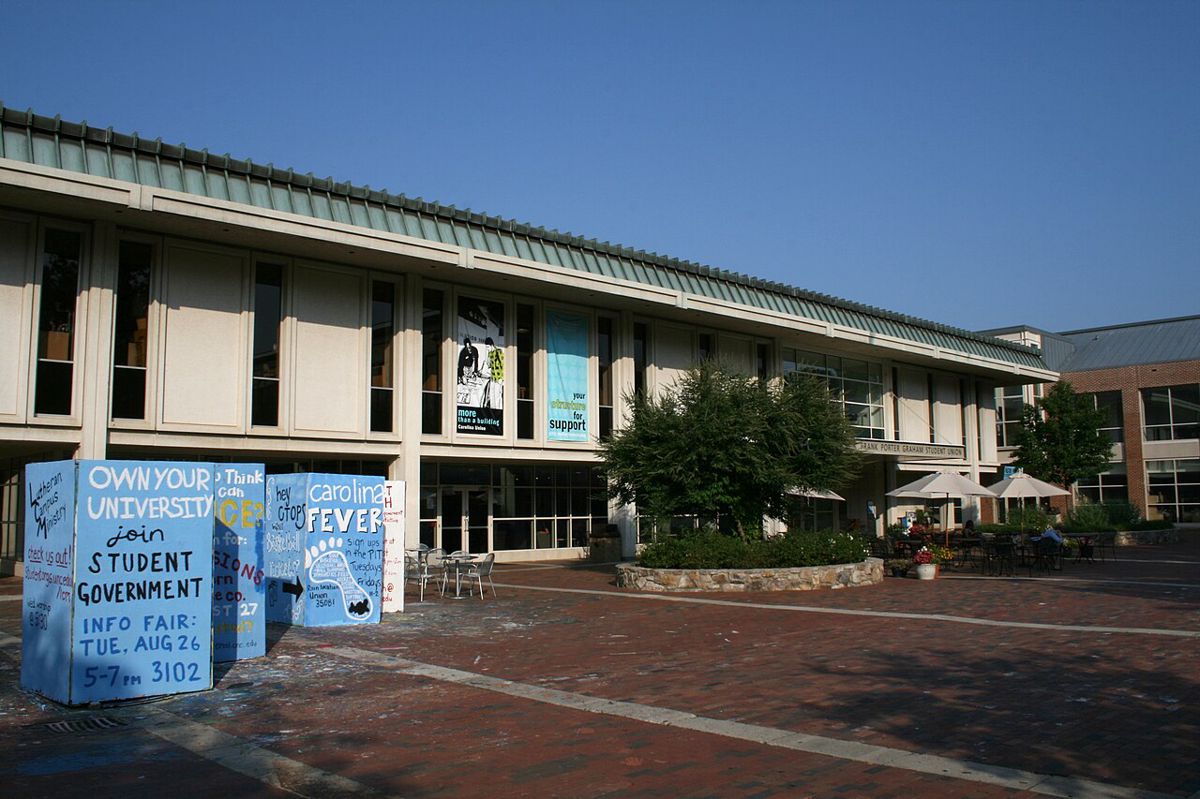
Starbucks inside the Frank Porter Graham Student Union
209 South Rd
Wendy's fast food on campus
209 South Rd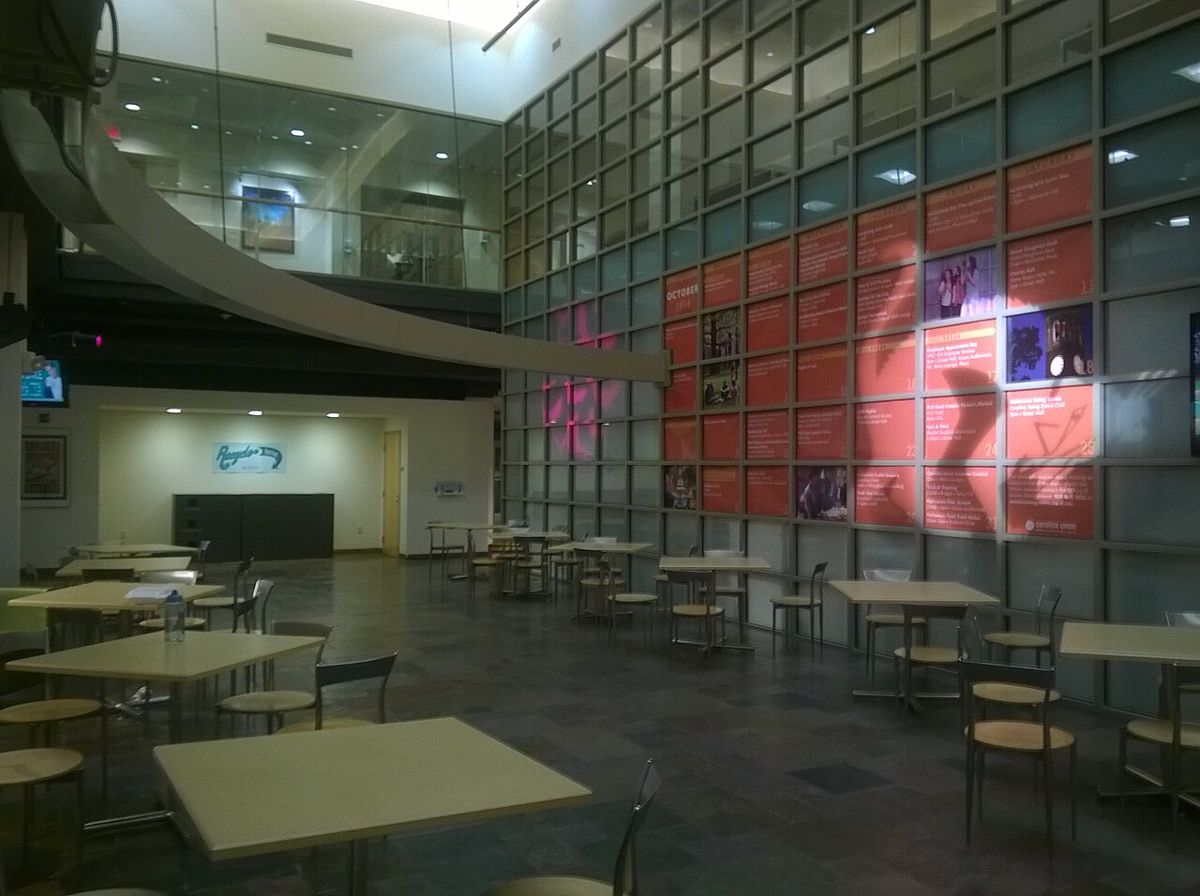
Artisan bakery in Bottom of Lenoir
36 Lenoir Dr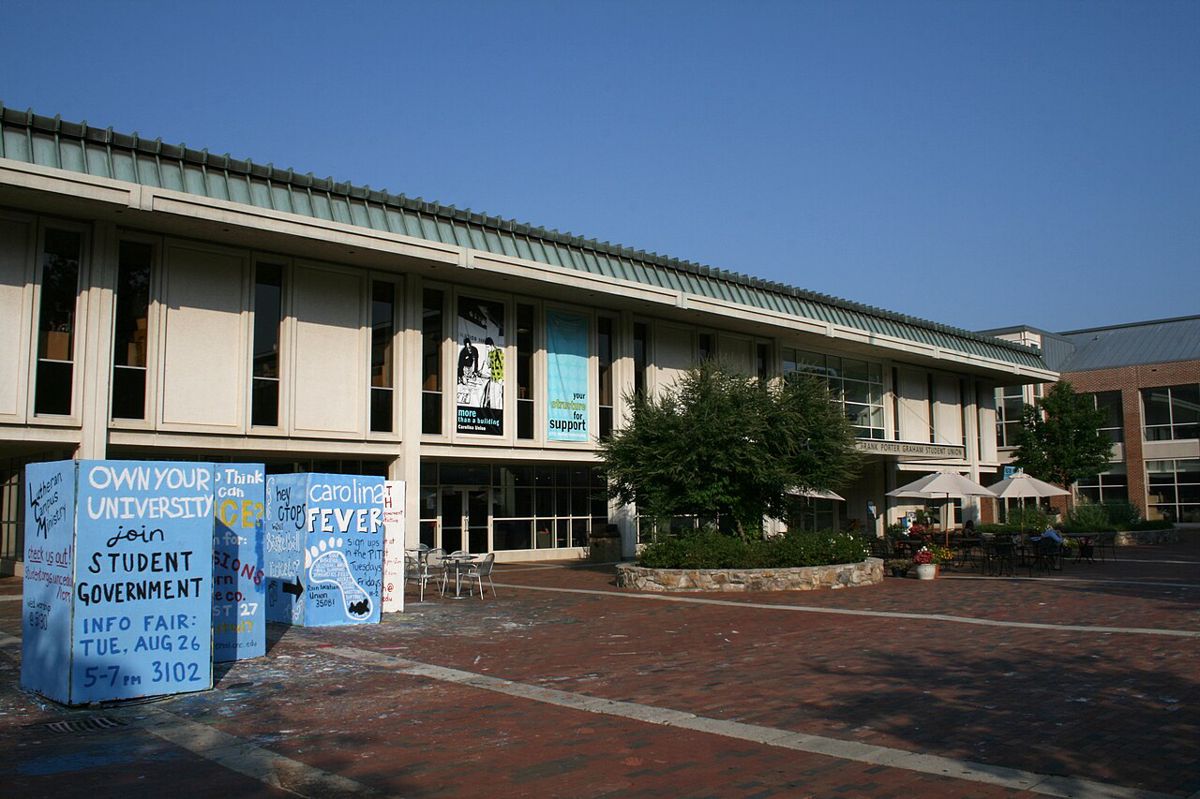
Southern fast food in the Student Union
209 South Rd
Dining services — meal plans, menus, and locations
Residence halls, apartments and help finding a place.
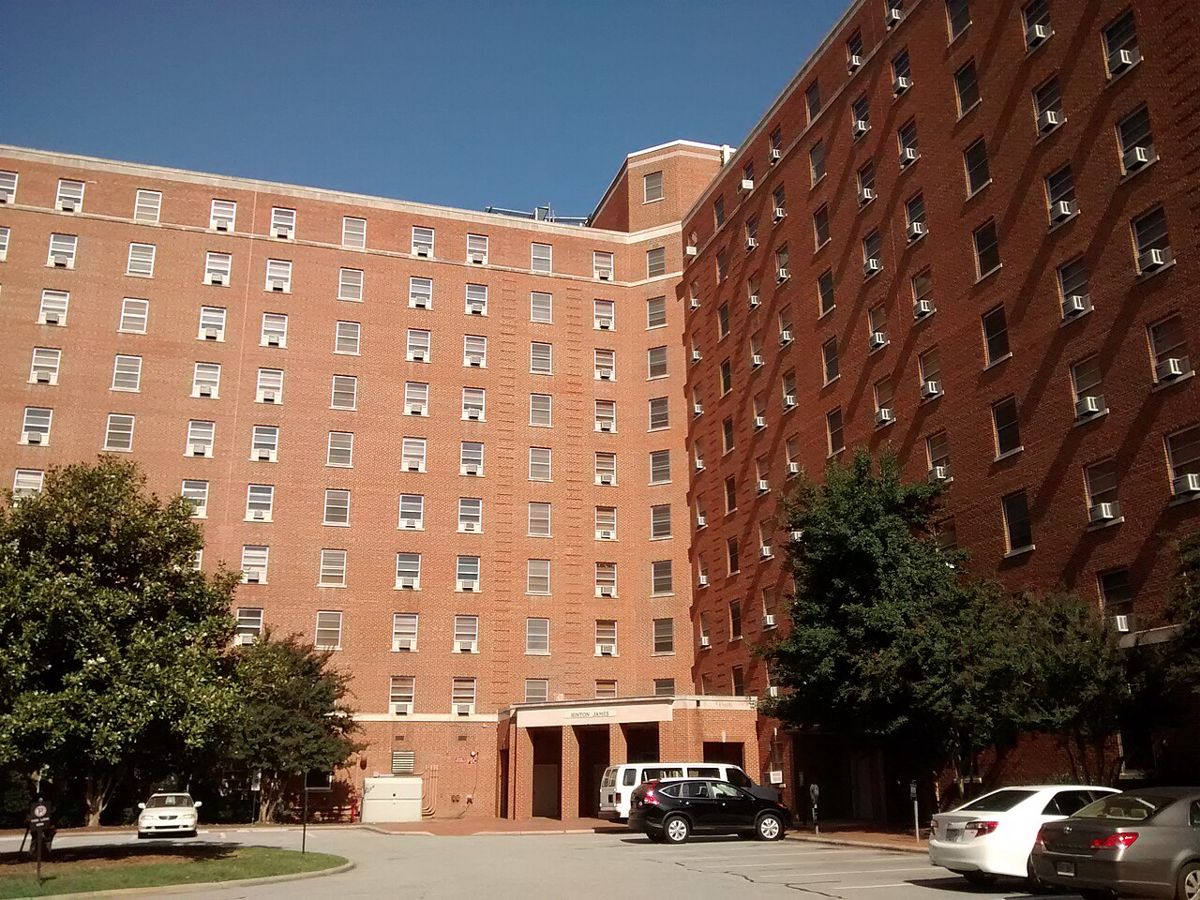
Large first-year dorm on South Campus (950 residents)
515 Hinton James Dr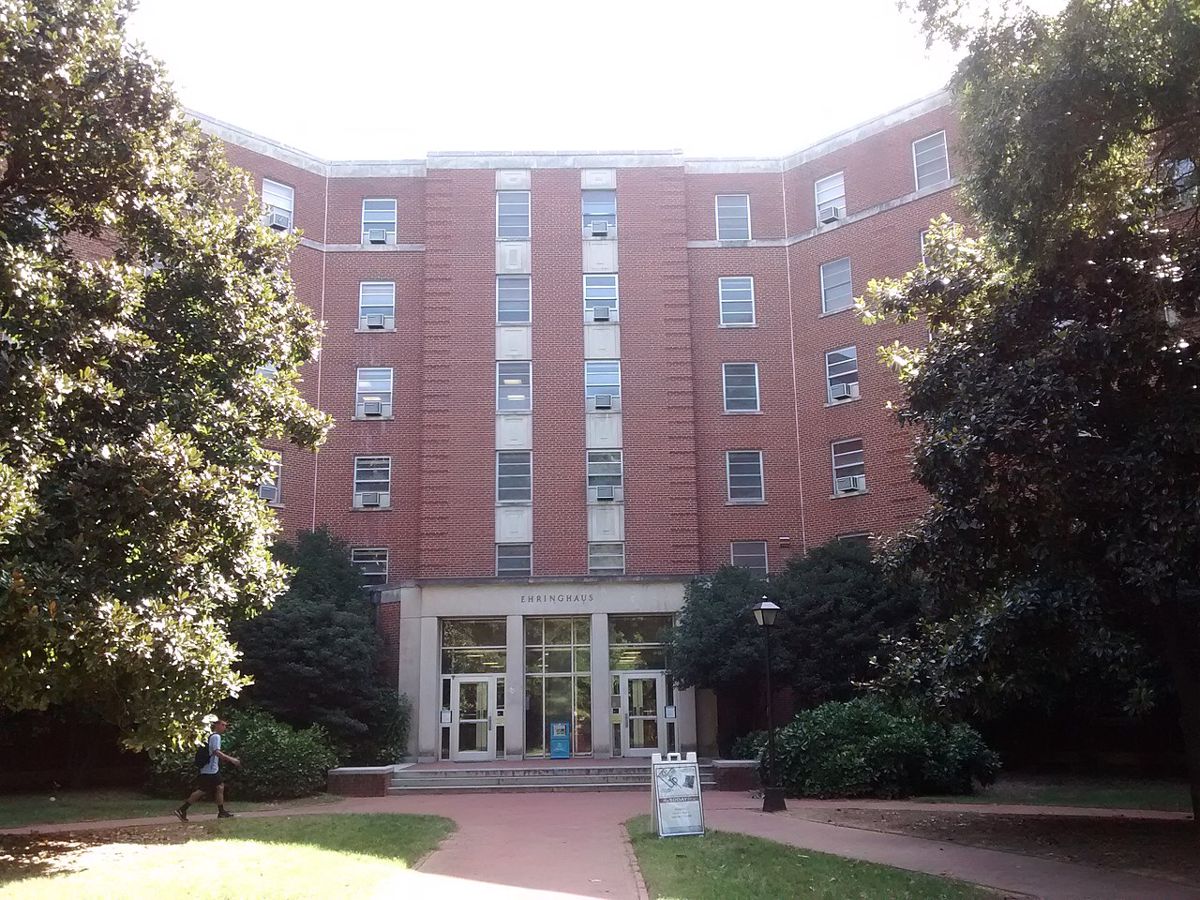
First-year dorm on South Campus (640 residents)
480 Ehringhaus Dr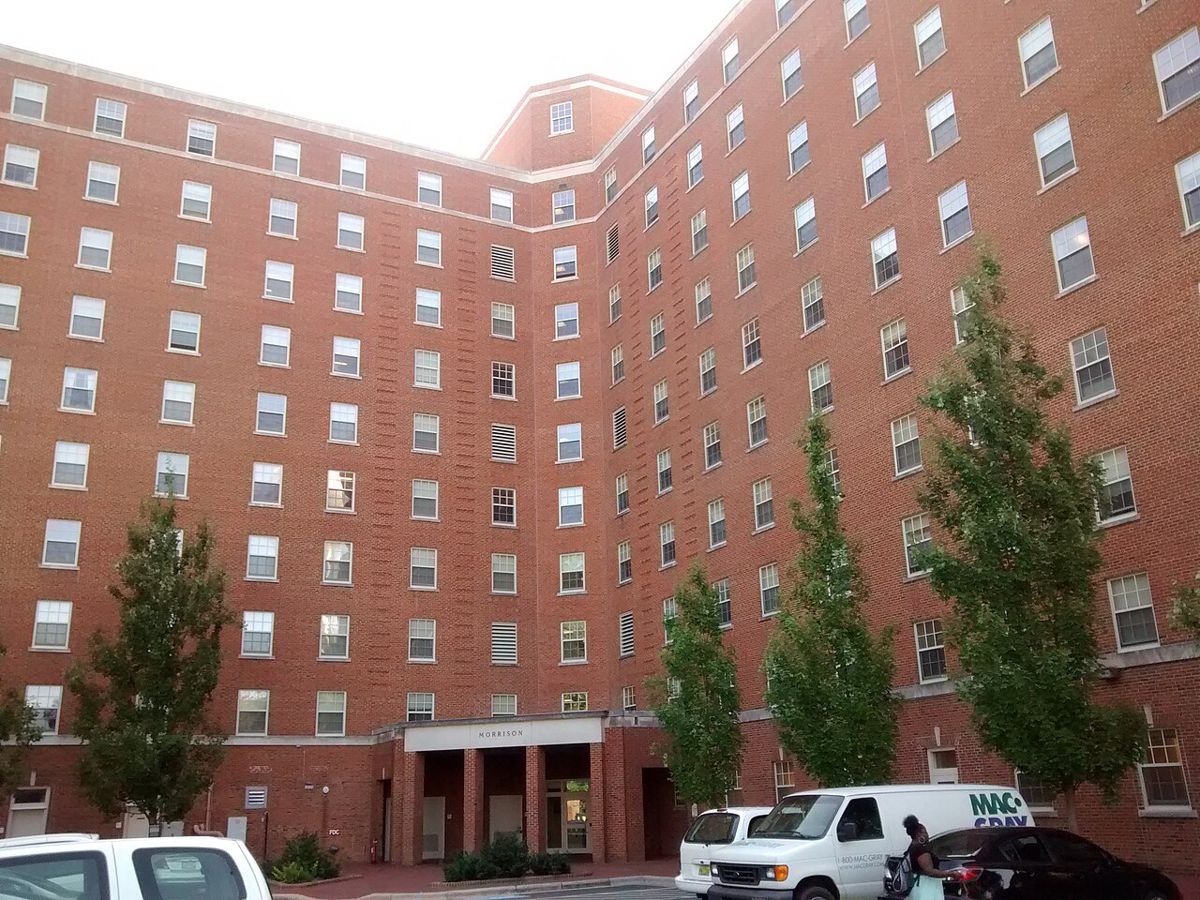
Sophomore-only high-rise dorm on South Campus
445 Paul Hardin Dr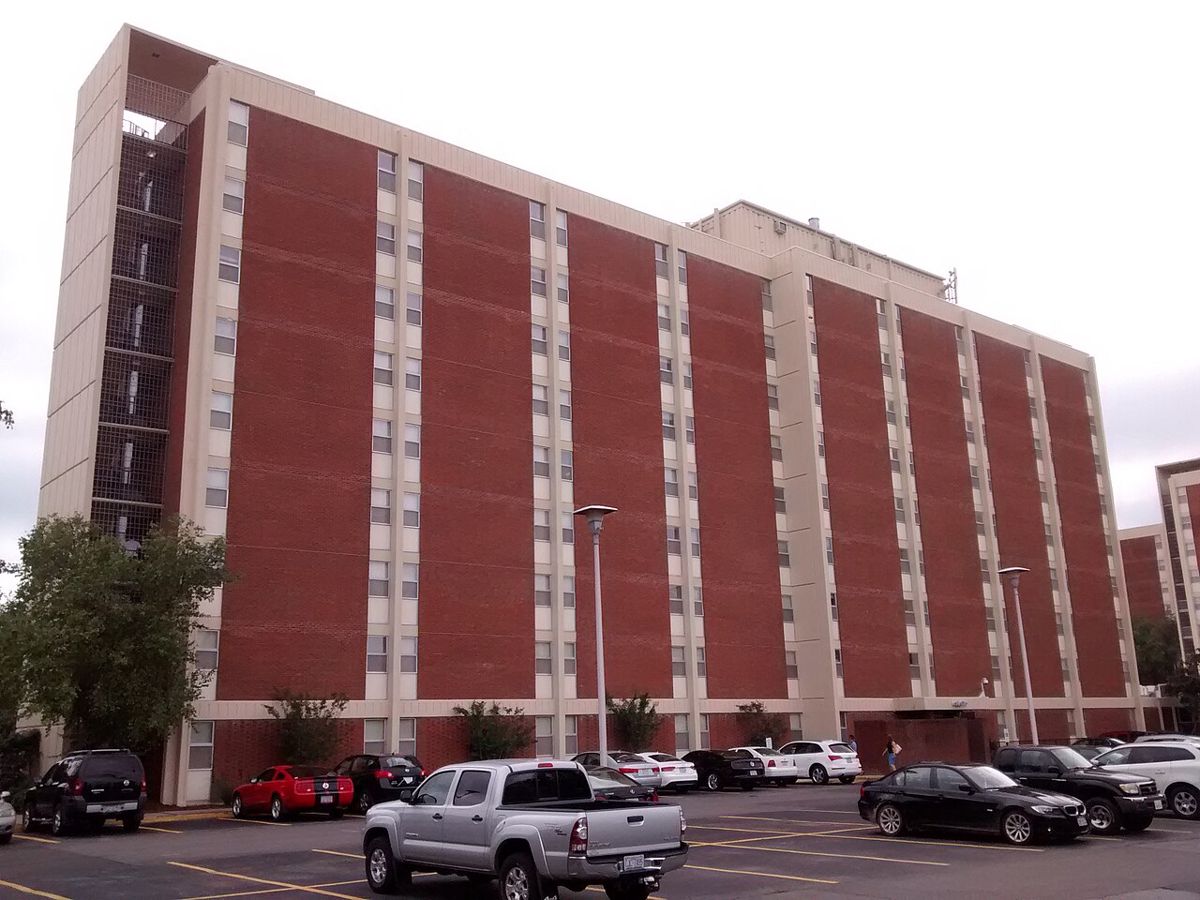
Private housing on Franklin Street with meal plan
125 W Franklin St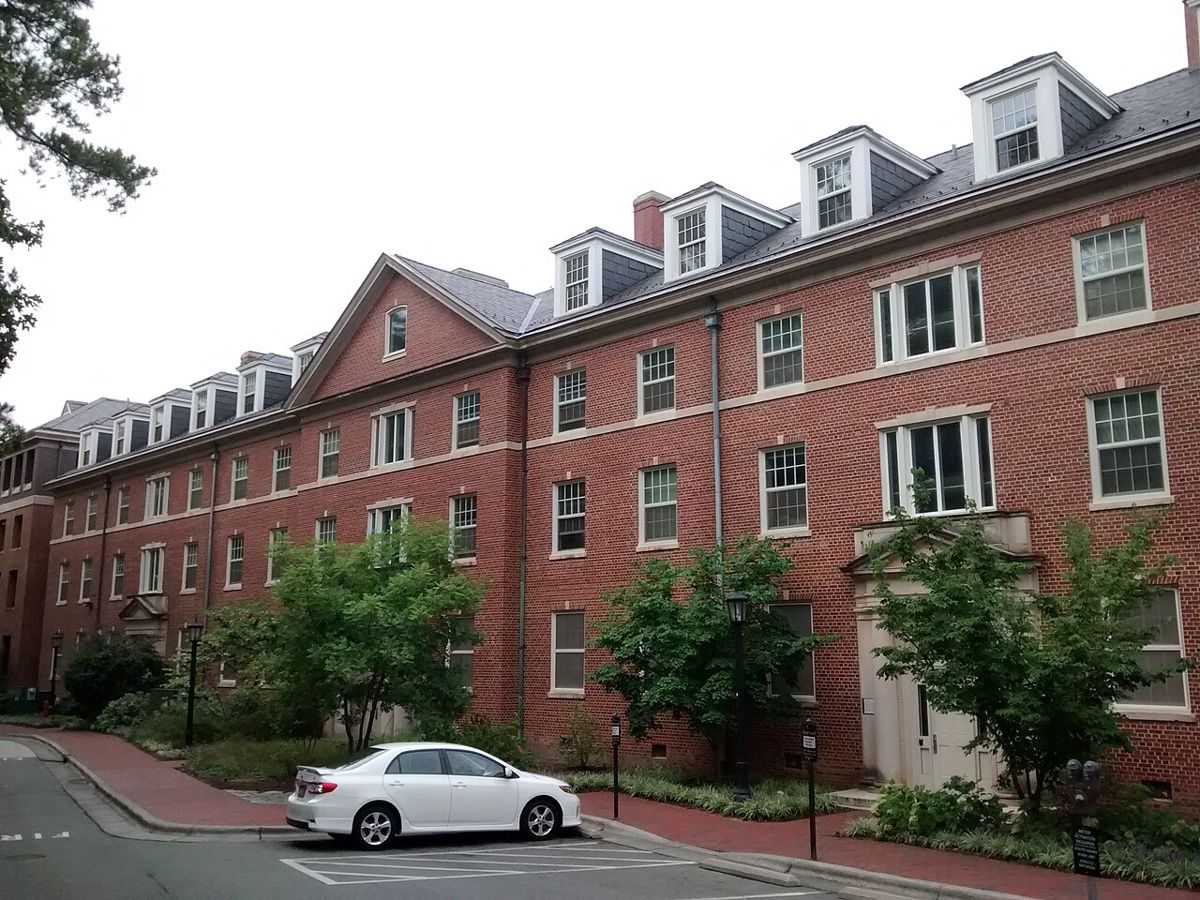
North Campus dorm near academic buildings
281 Raleigh St
Housing applications, room assignments, and residential life
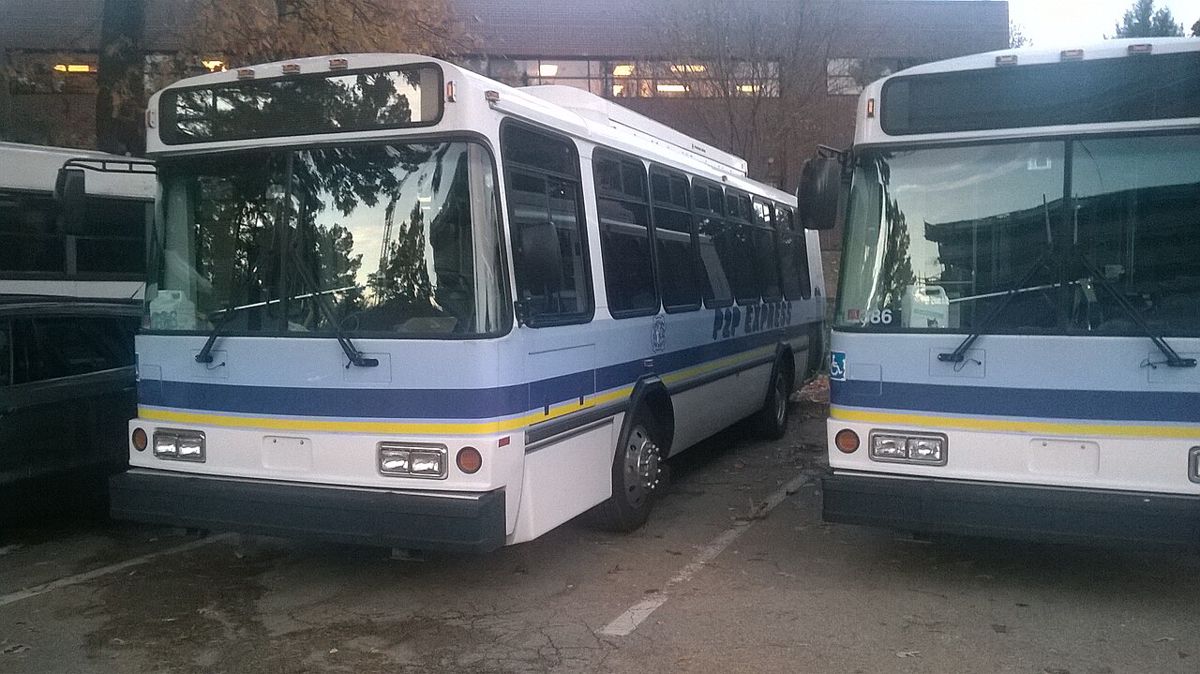
Shuttles, parking and accessible rides.
Typical pay 4 years after graduating. Top 6 of 37 bachelor's majors with published pay.
Source: College Scorecard, field-of-study data.
5 things worth doing early
The Catalog: "Students are expected to complete their degree within a maximum of eight full-time semesters." Summer terms are not counted. A ninth semester takes a written petition to your dean's office, approved in advance — and permission "will not be granted for the sole purpose of completing multiple areas of study" such as a second major and a minor, or two minors. Transfer students who arrive with two or more transferred semesters may enroll in up to ten in total. The practical version: map a four-year plan in your first year, especially if you want a double major or minors.
Under IDEAs in Action, several First-Year Foundations courses are marked "(first-year students only)": College Thriving (1 credit), a First-Year Seminar or First-Year Launch (3 credits), and the Data Literacy Lab (1 credit). Students who started before fall 2025 take Triple-I plus the Data Literacy Lab instead of the lab alone. Writing at the Research University and a Global Language course are also First-Year Foundations, but the first-year-only ones are the ones with a hard window. Build them into your first two semesters.
Academic eligibility is measured every semester. You need "a cumulative UNC–Chapel Hill grade point average of at least a 2.000" and a minimum number of academic hours passed: "After one full-time semester: 9 academic hours", "After two full-time semesters: 24 academic hours", then 36, 51, 63, 78 and 93. You also have to "successfully complete at least 2/3 of cumulative attempted credit hours." Fall short and you begin the next term on warning; miss again while on warning and it becomes suspension. Dropping classes to protect a GPA can quietly cost you the hours, so do the math before you drop.
UNC Advising: "You do not need permission to drop a class prior to the drop deadline as long as you will remain enrolled in 12+ credit hours." If a drop would take you below 12, ConnectCarolina will not let you do it — you have to speak with an adviser first. Before the Census deadline a drop leaves no mark; after Census and until the drop deadline it shows a W. Both dates are on the Registrar's academic calendar.
Gus is an AI college companion built around your actual classes. Record a lecture and it writes the notes, pulls out the key topics, builds a flashcard deck, and makes a practice quiz from what was actually said. The flashcards come back on a spaced-review schedule, so the thing you missed shows up again right before you would have forgotten it. It is free to try.
Gus is not affiliated with, endorsed by, or sponsored by the University of North Carolina at Chapel Hill. Tips checked against UNC's own pages in September 2026. Campus info last updated May 2026. Stats from the U.S. Department of Education College Scorecard. Something out of date? hello@meetgus.app · All campus guides