Academics & admin
Center for Learning & Undergraduate Enrichment (CLUE)
Free drop-in tutoring for STEM, writing, and other subjects in evening hours
The student guide to Seattle, Washington: where to eat, live and get help, what a year really costs, and the free stuff most students miss.
Source: U.S. Department of Education, College Scorecard.
After grants and scholarships, by family income. Average: $13,663.
Academics & admin
Free drop-in tutoring for STEM, writing, and other subjects in evening hours
Getting around
Free evening shuttle service for safe rides in the campus area after dark
Health & safety
Free confidential counseling for stress, anxiety, depression, and more
Places
Natural history and culture museum with permanent and rotating exhibits, free for UW students
Dining halls, quick bites and coffee on campus.
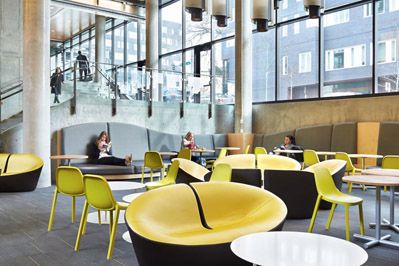
West Campus all-you-care-to-eat dining hall in Lander Hall with seven dining concepts
1201 NE Campus Pkwy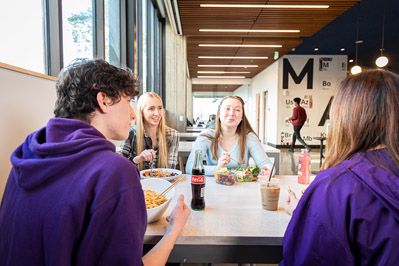
North Campus residential dining hall open seven days a week
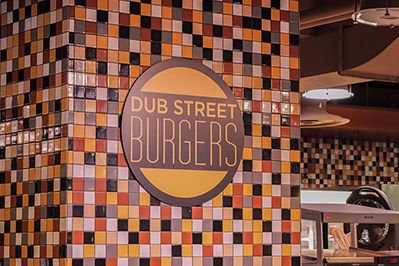
Food court in the HUB with seven restaurants and a market offering quick-service dining
4001 E Stevens Way NE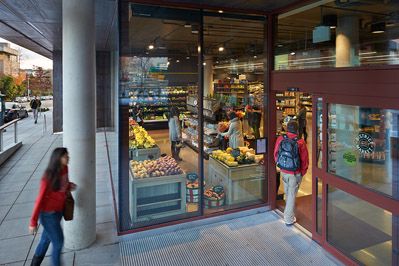
Convenience market and grab-and-go at Alder Hall
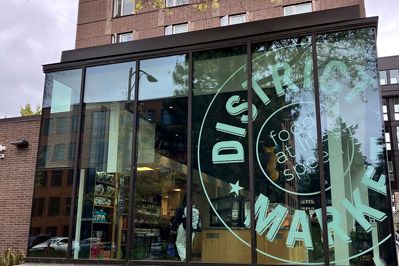
Convenience market and grab-and-go at Oak Hall

Cafe in the HUB for quick coffee and snacks
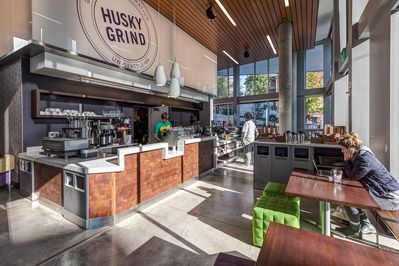
Coffee shop at Mercer Court residence hall
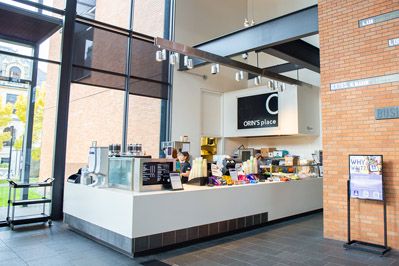
Campus cafe with coffee and light bites
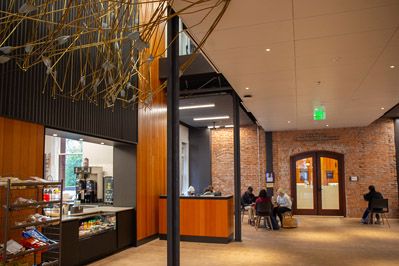
Coffee shop on campus
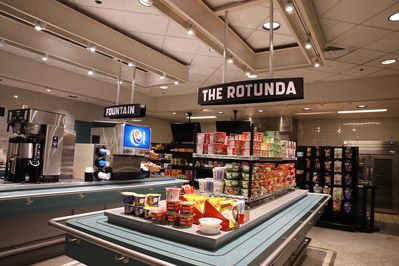
Grab-and-go dining with packaged meals and snacks
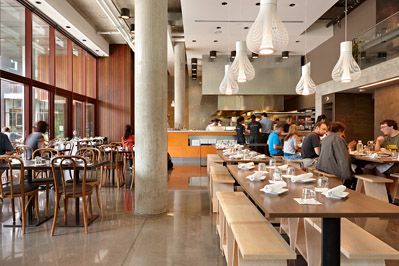
Gastro pub on West Campus serving creative entrees
Campus convenience store with grab-and-go meals, snacks, beverages, and grocery essentials
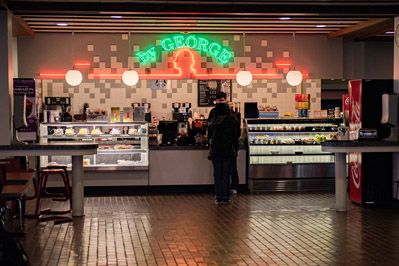
Coffee and grab-and-go with pastries and beverages
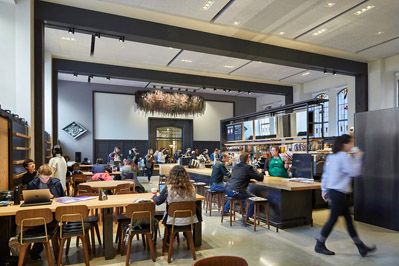
Starbucks inside the iconic Suzzallo Library
4000 15th Ave NECoffee, smoothies, and grab-and-go items in Odegaard Library
4060 George Washington Ln NE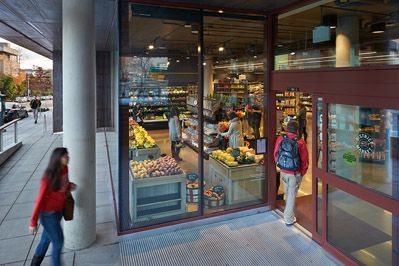
Neighborhood grocery in Alder Hall with fresh food and Husky Grind coffee
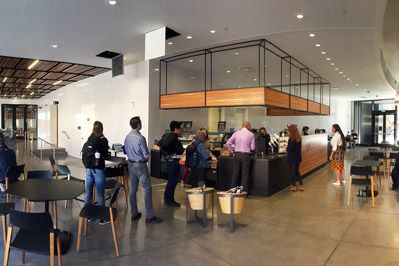
Cafe in the Gates Center for Computer Science and Engineering
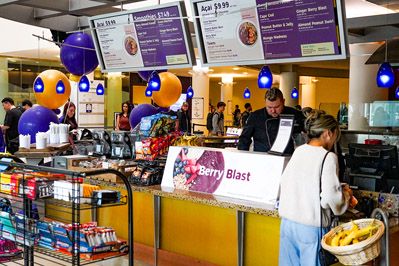
Quick-service counter at the IMA for post-workout fuel
Coffee and pastries near the Burke Museum at the north end of campus
4309 Memorial Way NEHealthy food and drinks inside the IMA recreation building
3924 Montlake Blvd NEModern cafe inside the Bill & Melinda Gates Center for Computer Science
3800 E Stevens Way NEQuick-service restaurant with burgers and comfort food on North Campus
4250 Little Canoe Channel NESeattle's favorite pizza inside Local Point dining in Lander Hall
1201 NE Campus PkwyResidence halls, apartments and help finding a place.
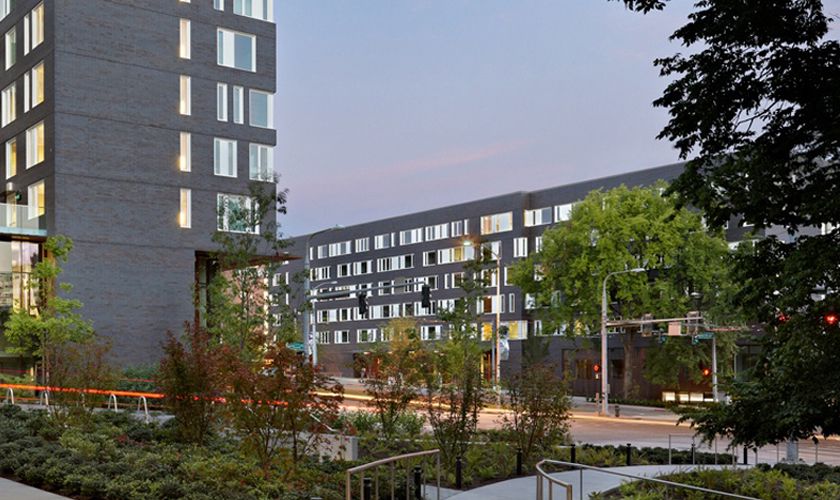
Residence hall on West Campus with Cultivate dining
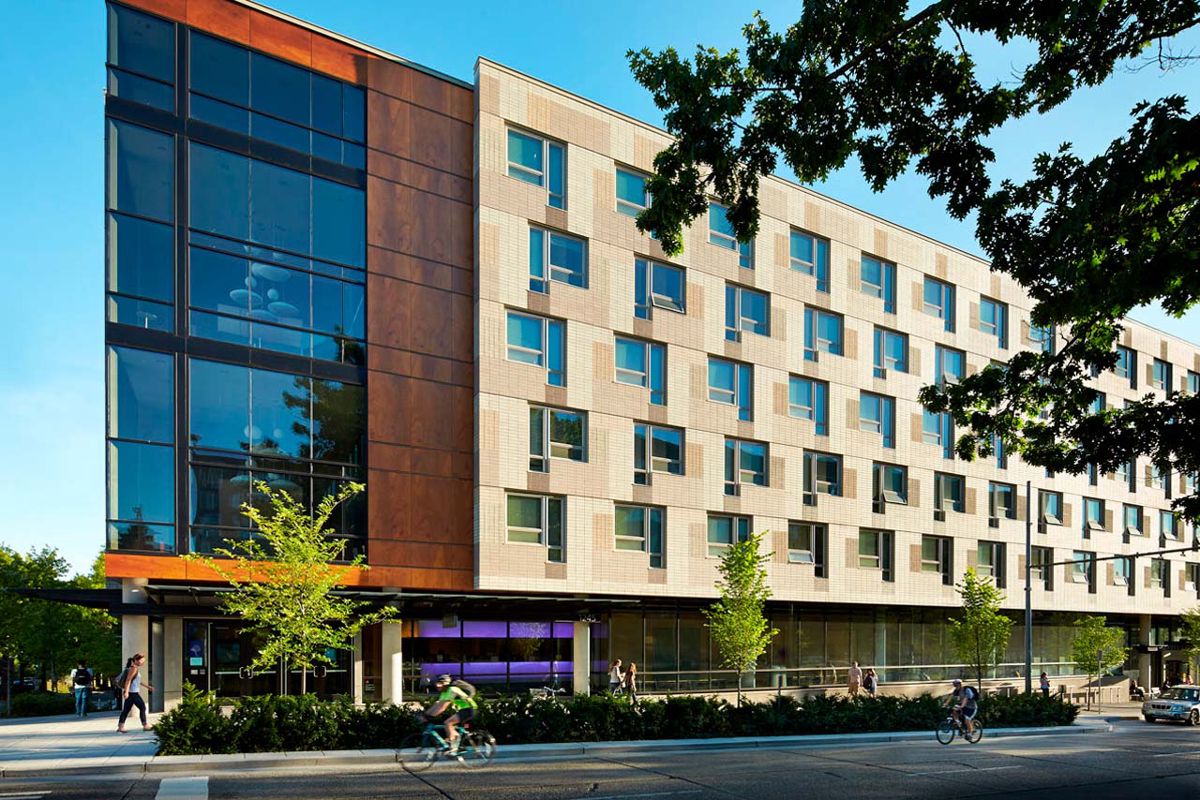
Modern residence hall on West Campus, home to Local Point dining
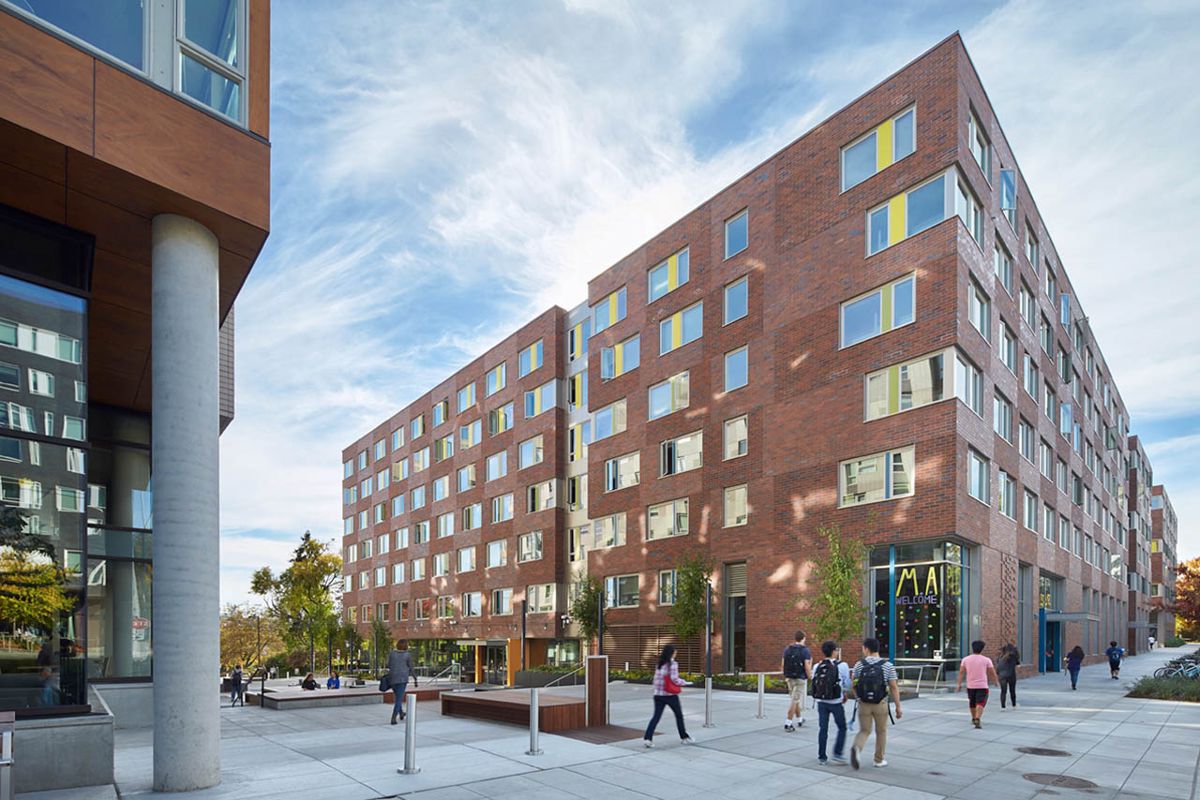
Residence hall on North Campus near the IMA
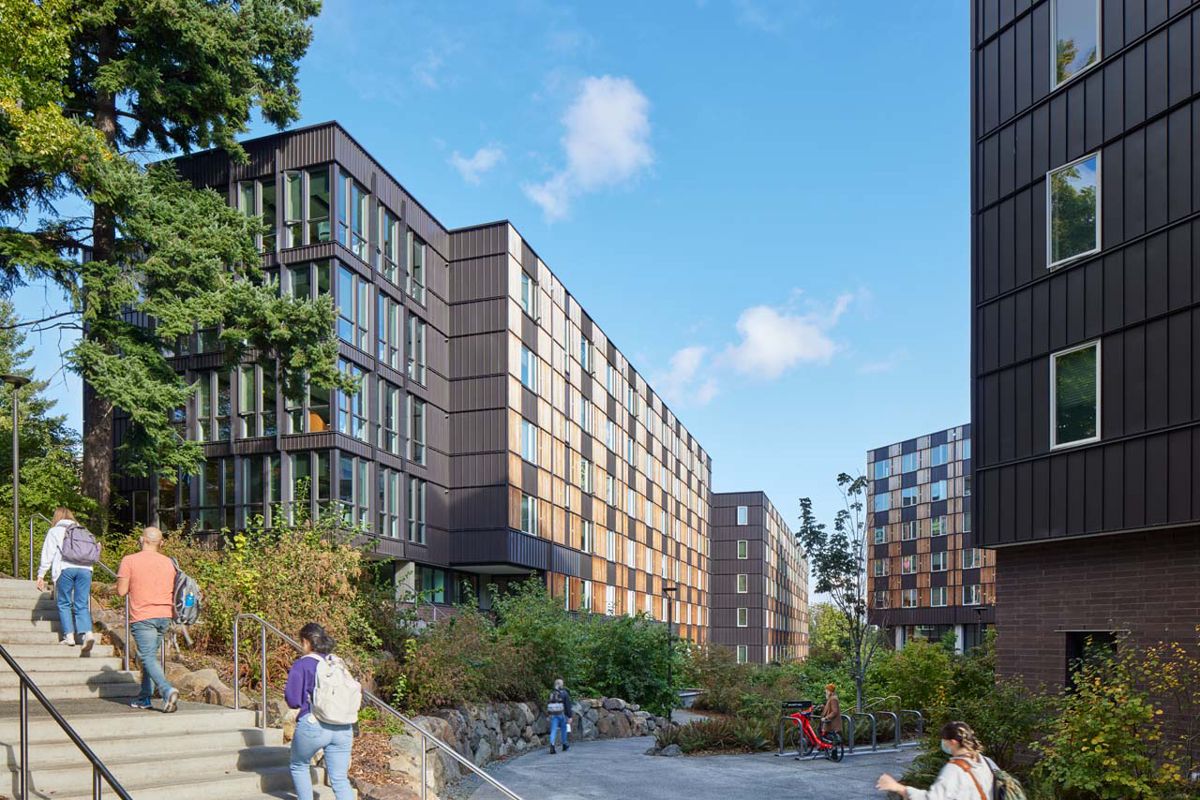
Residence hall on North Campus with Center Table dining
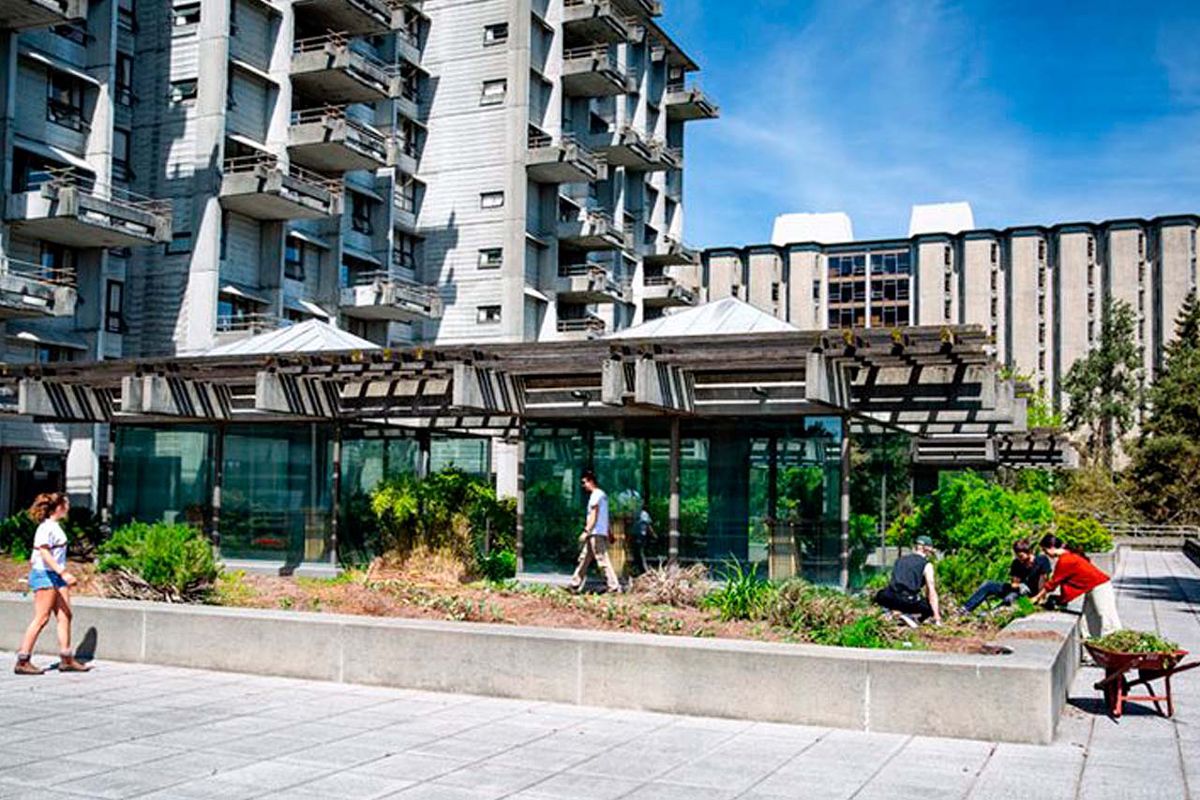
High-rise residence hall on North Campus with stunning views
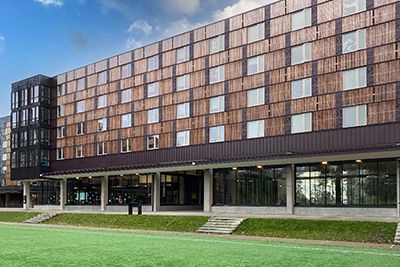
Residence hall on North Campus with District Market

Residence halls near the Quad with Center Table dining and study spaces

Halls including Lander, Maple, Poplar, and Terry near Ave and campus dining at Local Point

Housing and Food Services manages all UW residence halls and dining
On-campus apartment complex for upperclassmen and graduate students on West Campus
Historic Tudor Gothic residence hall on North Campus near the Burke Museum
4340 Little Canoe Channel NEModern apartment-style housing on West Campus for undergrads and graduates
3927 Adams Ln NEAffordable apartment-style undergraduate housing near the Ave
3801 Brooklyn Ave NEShuttles, parking and accessible rides.
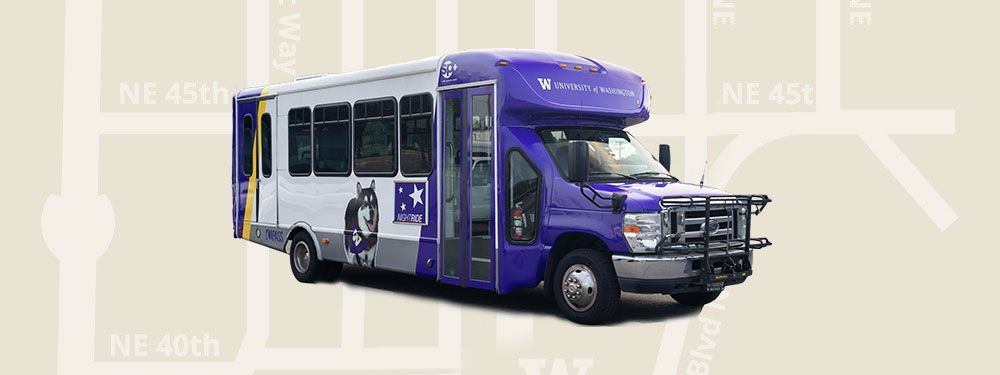
Free evening shuttle service for safe rides in the campus area after dark
Bike repair stations, covered parking, and bike share on campus
Parking garage under Red Square near the center of campus

Unlimited transit pass included with student fees for buses and light rail
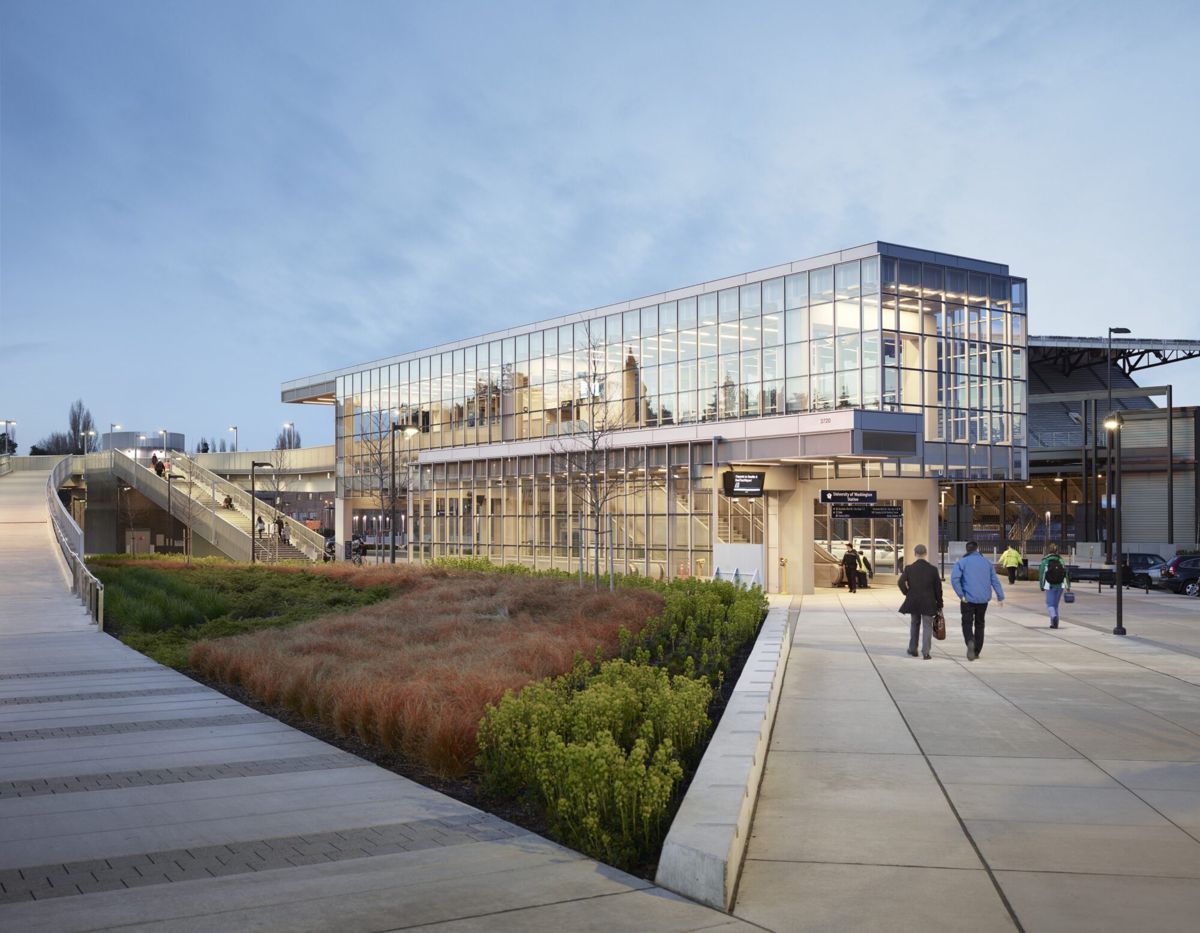
Link Light Rail station connecting UW to downtown Seattle and the airport

Parking permits, commuter resources, and transportation planning
1320 NE Campus Pkwy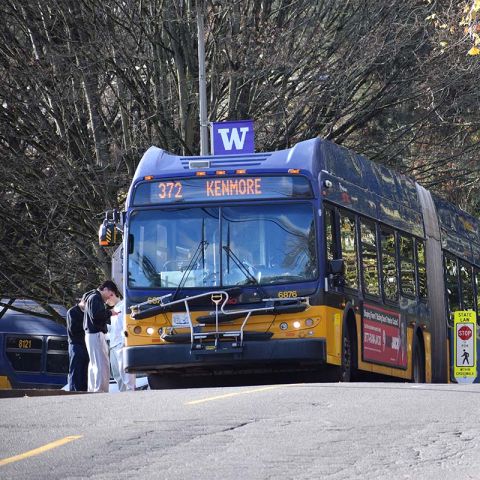
Unlimited rides on King County Metro, Sound Transit, and regional transit included in student fees
Light rail station on southeast campus connecting to downtown Seattle, airport, and beyond
3720 Montlake Blvd NE
Link Light Rail station steps from campus connecting to downtown, Capitol Hill, and the airport
Brooklyn Ave NE & NE 43rd StCampus parking permits, garages, and visitor parking for students and commuters
Sound Transit light rail station near the Ave and U District shops
4543 Brooklyn Ave NEOver 10,000 bicycle parking spaces across campus plus bike repair stations and secure bike storage
Parking garages and lots with daily and quarterly permit options
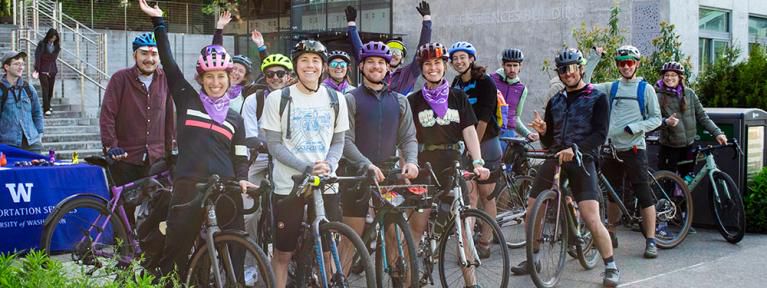
Extensive bike infrastructure including covered parking, repair stations, and connections to Burke-Gilman Trail
10,000 bike parking spaces, lockers, and repair stations across campus
University of WashingtonTypical pay 4 years after graduating. Top 6 of 70 bachelor's majors with published pay.
Source: College Scorecard, field-of-study data.
5 things worth doing early
Undergraduate Advising says it plainly: "The vast majority of students enter UW as a pre-major (this includes pre-science, pre-humanities, etc.)" Your admission letter got you into the university. The major is a second admission, and there are three kinds. Open majors: "Students in good academic standing can declare the major at any time." Minimum-requirements majors: "Requires students to complete satisfactorily a set of prerequisite courses with a minimum GPA." And capacity-constrained majors: "These majors often have application forms and application deadlines; some of them require standardized tests, recommendations, and/or interviews." Computer science, most of engineering, business, nursing and a long list of others are in that third group, and not everyone who applies gets in. There is a clock on this. The satisfactory progress policy "requires students to declare a major by the time they have earned 105 credits and completed 5 quarters." Miss both and "students ... will receive a registration hold" — you cannot register for the next quarter until you declare or your adviser grants a pre-major extension, which is "typically granted for one quarter." The extension form itself asks the question every pre-major should answer in week one: "If the major is capacity-constrained, what are the open or minimum requirements major(s) you are also considering?" So: find your intended major's admission type and its prerequisite list this quarter, take those courses on the schedule the department publishes, and pick a real second choice. AP and Running Start credit count toward the 105, which is what makes some sophomores hit the wall early.
UW grades on numbers. From the General Catalog's grading system: "Instructors may report grades from 4.0 to 0.7 in 0.1 increments and the grade 0.0." So a transcript reads 3.7, 2.9, 3.4 — never A-, B, B+. The catalog publishes a conversion for anyone who needs letters (A is 4.0–3.9, A- is 3.8–3.5, B+ is 3.4–3.2, B is 3.1–2.9, C is 2.1–1.9, D- is 0.8–0.7), but the number is the grade. Two things follow. First, the floor: "D- 0.8-0.7 Lowest passing grade" and "E 0.0 Academic failure. No credit earned." There is nothing between 0.7 and 0.0 — a 0.7 earns the credit, a 0.0 earns none, and there is no 0.5. Second, precision cuts both ways: a professor who would have rounded a 79.6 up to a B- on a letter scale can just as easily write a 2.4, and your GPA is the average of those tenths. Ask every instructor in week one how the number is computed, because the syllabus will tell you and the letter-grade instincts you brought from high school will not. And if you are thinking of retaking something: "With the approval of the academic department offering the course, an undergraduate may repeat a course once. Both the original grade and the second grade are computed in the GPA but credit is allowed only once." No replacement, one retake.
From the 2026-27 autumn quarter tuition and fee schedule for the Seattle campus: a resident undergraduate pays the same tuition at 10 credits as at 18 — $3,976 for the quarter before fees at every load from 10 through 18. Then: "Per-credit surcharge for more than 18 credits: $ 422". Nineteen credits is $4,398; twenty is $4,820. Non-residents are flat from 10 to 18 as well, and their surcharge is $1,486 a credit. Read that as two facts. Fifteen credits and eighteen credits cost the same, so a fifth class in a quarter is free if you can carry it — that is how people finish in fewer than twelve quarters. And the nineteenth credit is not "a little more"; it is $422, or more than the entire U-PASS for a year. Registration has its own ceiling: "Undergraduate students are limited to 19 credits during Registration Periods I and II to allow all students a chance to develop a basic schedule." "Additional credits may be added during Registration Period III and the Late Add Period. The limit is 30 credits per quarter." So an overload is possible; it is just late, and it is billed.
Undergraduate Advising: "Not all colleges require foreign language beyond UW admissions requirement of two high school years or two college quarter." The one that does is the biggest. The requirements-by-college page lists the College of Arts and Sciences as "Foreign language – through third quarter of first-year sequence (min. 2.0 required)" — and so is the School of Social Work. Built Environments, Education, Engineering, the Environment, the Information School, Foster, Nursing and Public Health: "none". The catalog's version of the Arts and Sciences rule: "coursework through the end of the first-year college sequence in a foreign language, with a 2.0 or higher grade in the third-quarter course, or demonstrate equivalent proficiency through one of the following: successful completion of the third-year or higher level of high school language instruction; by passing a proficiency examination and placing into a course beyond the first year; or by receiving a passing grade in a qualifying course beyond the first-year level." So if you stopped after Spanish 2 in high school and you are anywhere in Arts and Sciences — which is where most pre-majors and most majors live — you owe three quarters of a language, or a proficiency exam. Three high school years clears it outright. The advising page notes the proficiency test exists "for students who do not want to study a language at UW and are only looking to clear a degree requirement for language proficiency" — take it in year one, while the language is still fresh, not year four.
Attach a PDF — a textbook chapter, a lecture deck, a reading, a problem set — and ask Gus about it in plain language. It reads the file, indexes it against the rest of that course's materials, and answers from the page rather than from the internet. It is not only a lookup tool. Ask it to tutor you through something that has not clicked, to quiz you on the key concepts, or to read your draft and tell you what is weak. Because it is scoped to one course, "what is actually on our reading list" is a question it can answer. And it is still the same app that pulls every deadline out of your syllabi and records your lectures. The chat just knows about all of it.
The Husky Promise: Pell-eligible and a Washington resident means tuition and fees are covered
Left off the video because the UT Austin video two days earlier ran the same shape of tip. "The Husky Promise guarantees full tuition and standard fees will be covered by grant or scholarship support for eligible Washington state students." The conditions: "Be a Washington state resident", "Meet all eligibility criteria for the Pell Grant program", and file the FAFSA or WASFA — the priority date is "February 28 for the following academic year", with UW's federal code 003798 on the form. It is "Limited to 12 quarters of eligibility at the UW." There is no separate application; the FAFSA is the application, which is how people miss it.
UW — the Husky PromiseYou get one late drop a year, and it is called a Registrar Drop
Same shape as UT's One-Time Exception, so page only. Drops are unrestricted "from the eighth calendar day of the quarter through the 14th calendar day" — after that, "students may drop one course through the last date of instruction" once per academic year, and it shows on the transcript with "an annotation of RD for Registrar Drop". A "$20 Change of Registration Fee" applies to any change from the second week on. Once the annual drop is used, further drops go through your adviser and the hardship route.
Registrar — registration changes and droppingTuition is due the third Friday. The late fee is $120
"Tuition charges are the student's obligation and are always due by the 3rd Friday of the quarter." Miss it and the late payment fee is "$120" on a balance of "$250 and above" or "$50" on "$50 to $249.99". And: "Financial aid funds can not be used to pay this fee. You will need to make a separate payment to cover this charge." A quarter runs ten weeks, so the third Friday arrives fast — and an unpaid balance "may result in a hold on your academic records".
Student Fiscal Services — when tuition is dueThe transit pass, the free museum, and the free camera
Three things your fees already bought. The U-PASS is "A mandatory quarterly fee" on the tuition statement ($81 on the 2026-27 schedule) and it is enormous: "unlimited rides on King County Metro Transit, Community Transit, Pierce Transit, Kitsap Transit, Everett Transit and Sound Transit" — that is the light rail from campus — plus "full fare coverage on King County Water Taxis and Kitsap Fast Ferries", the streetcar, the monorail and "unlimited rides on NightRide, the UW's evening shuttle service." Not Washington State Ferries. Tap your Husky Card. (We stopped putting transit in the videos; this is the fourth school where it is the best free thing.) The Burke Museum, on campus: "UW student, faculty, staff & retirees — FREE" with a Husky Card, against "$24" general admission. The Henry Art Gallery is free for everyone now. And the Student Technology Loan Program is "a free service" for "all students at the University of Washington in Seattle" — laptops, cameras, projectors and the rest, funded by the technology fee you are already paying.
UW Transportation Services — U-PASSBurke Museum — hours and admissionStudent Technology Loan ProgramGus is not affiliated with, endorsed by, or sponsored by the University of Washington. Tips checked against UW's own pages in September 2026. Campus info last updated May 2026. Stats from the U.S. Department of Education College Scorecard. Something out of date? hello@meetgus.app · All campus guides