Academics & admin
Greater University Tutoring Service (GUTS)
Free tutoring for any UW-Madison student, by students: drop-in tutoring in Biology, Chemistry, Psychology and Sociology, weekly small-group tutoring…
The student guide to Madison, Wisconsin: where to eat, live and get help, what a year really costs, and the free stuff most students miss.
Source: U.S. Department of Education, College Scorecard.
After grants and scholarships, by family income. Average: $16,600.
Academics & admin
Free tutoring for any UW-Madison student, by students: drop-in tutoring in Biology, Chemistry, Psychology and Sociology, weekly small-group tutoring…
Career
Free interview and business-casual clothes for L&S students: pick up to four items per semester, and they are yours to keep.
Getting around
City bus system with free rides for students using Wiscard. Routes connect all campus areas.
Housing
Free student food pantry in the Student Activity Center.
Dining halls, quick bites and coffee on campus.
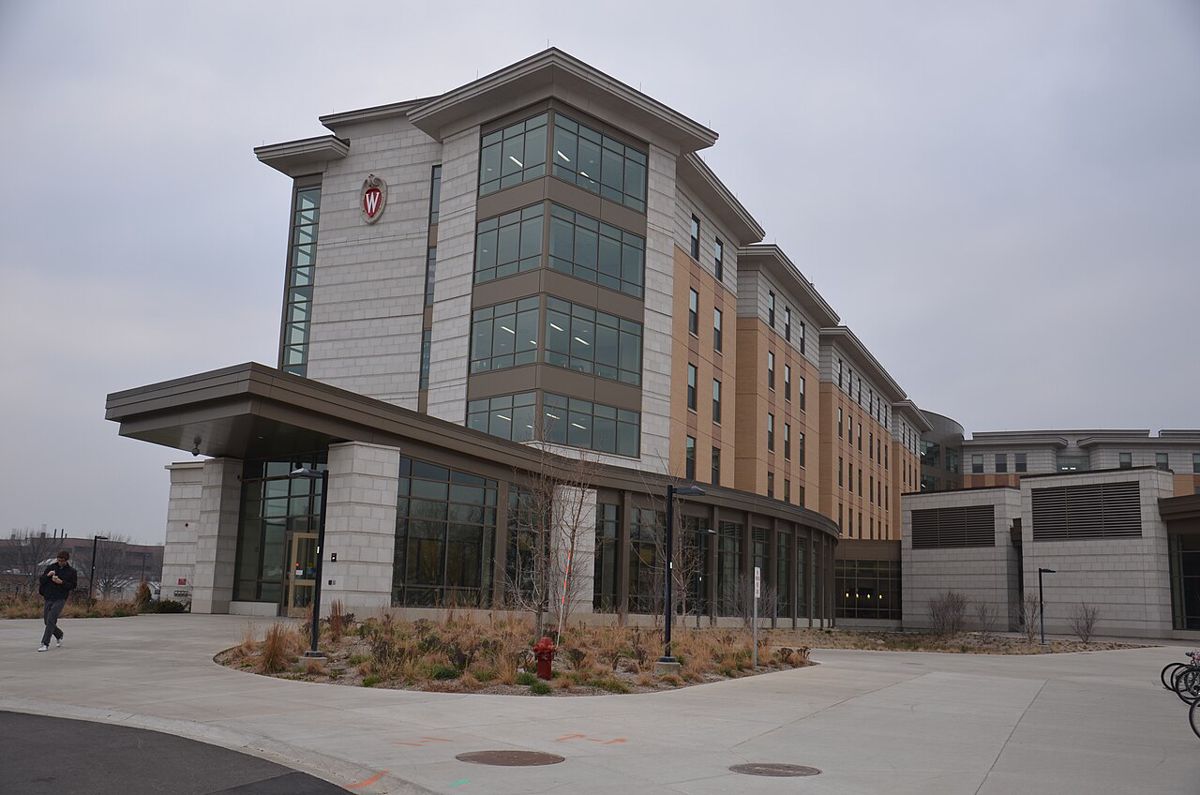
All-you-care-to-eat market in Dejope Hall with nine food stations, a coffeehouse, and Babcock Dairy ice cream. Serves the Lakeshore neighborhood.
640 Elm Drive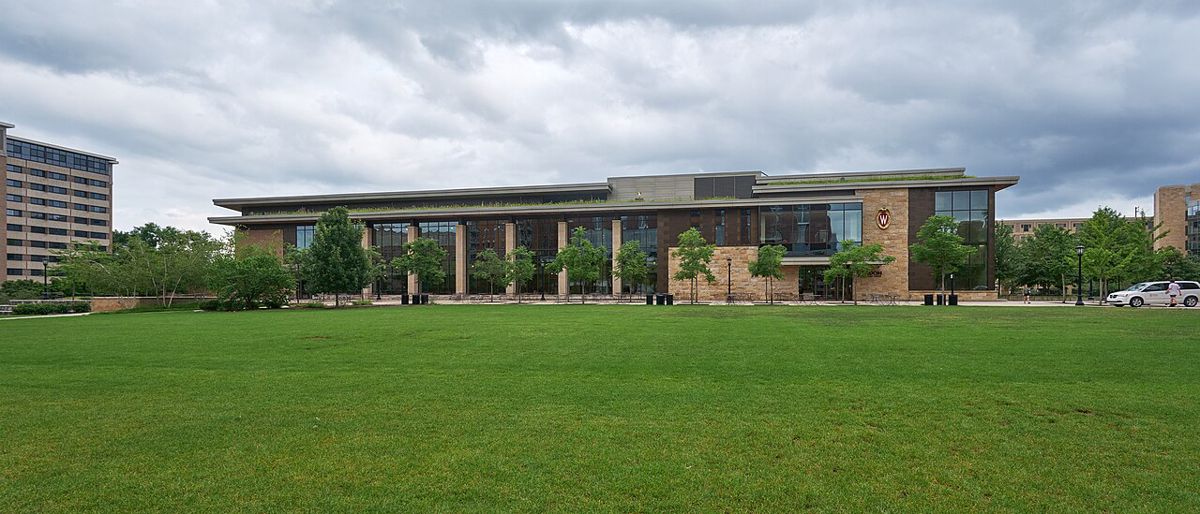
Large all-you-care-to-eat market with 12 food stations in the Gordon Dining & Event Center. Serves the Southeast neighborhood.
770 W Dayton Street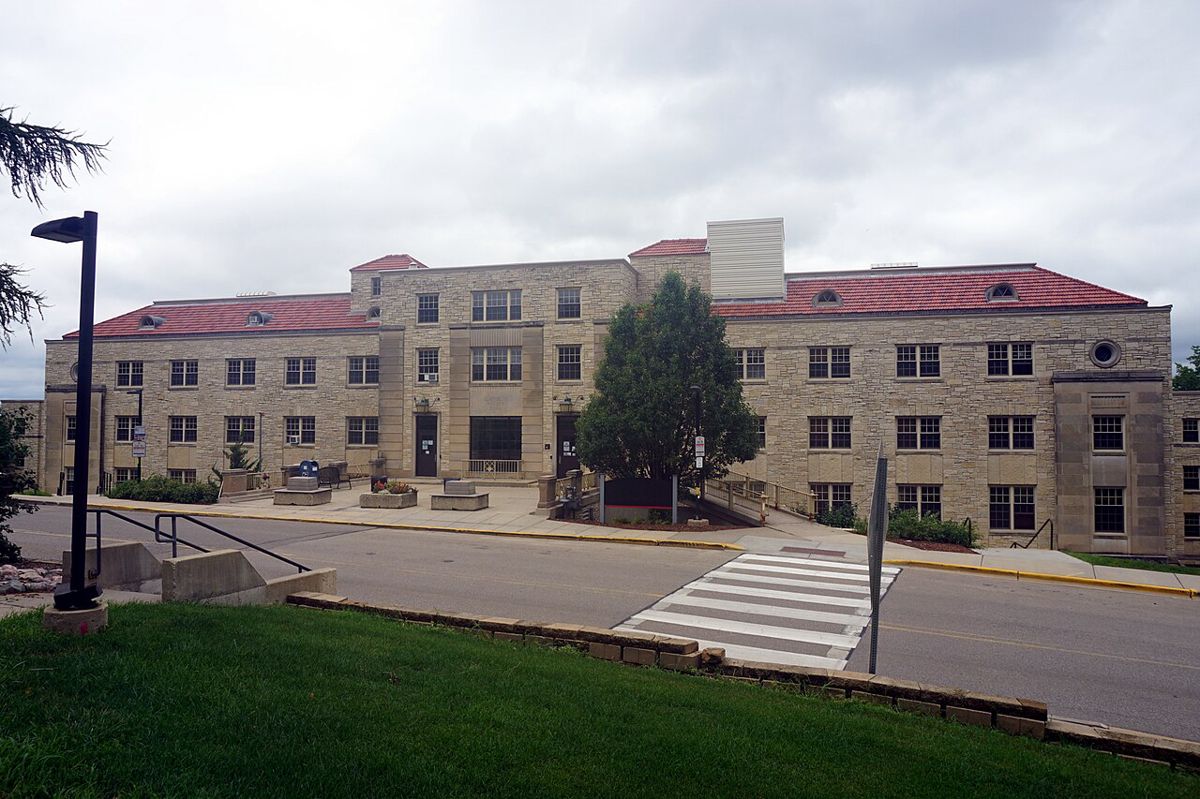
All-you-care-to-eat dining in Waters Residence Hall on the Lakeshore. Cozy setting with home-style meals for breakfast, lunch, and dinner.
1200 Observatory DriveAll-you-care-to-eat dining market connected to Chadbourne Residence Hall (420 N.
420 N Park Street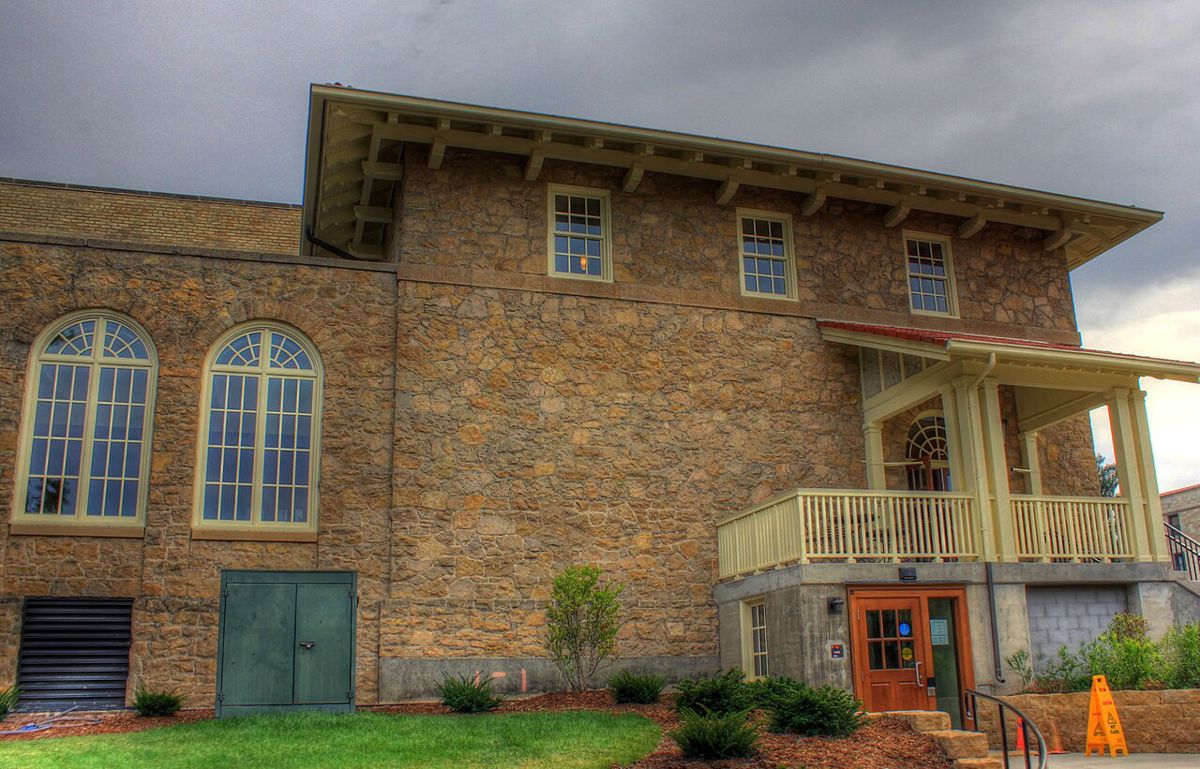
All-you-care-to-eat dining market in the Carson Gulley Center (1515 Tripp Cir.) on the Lakeshore. Pay at the door with a meal swipe, Wiscard or card.
1515 Tripp Circle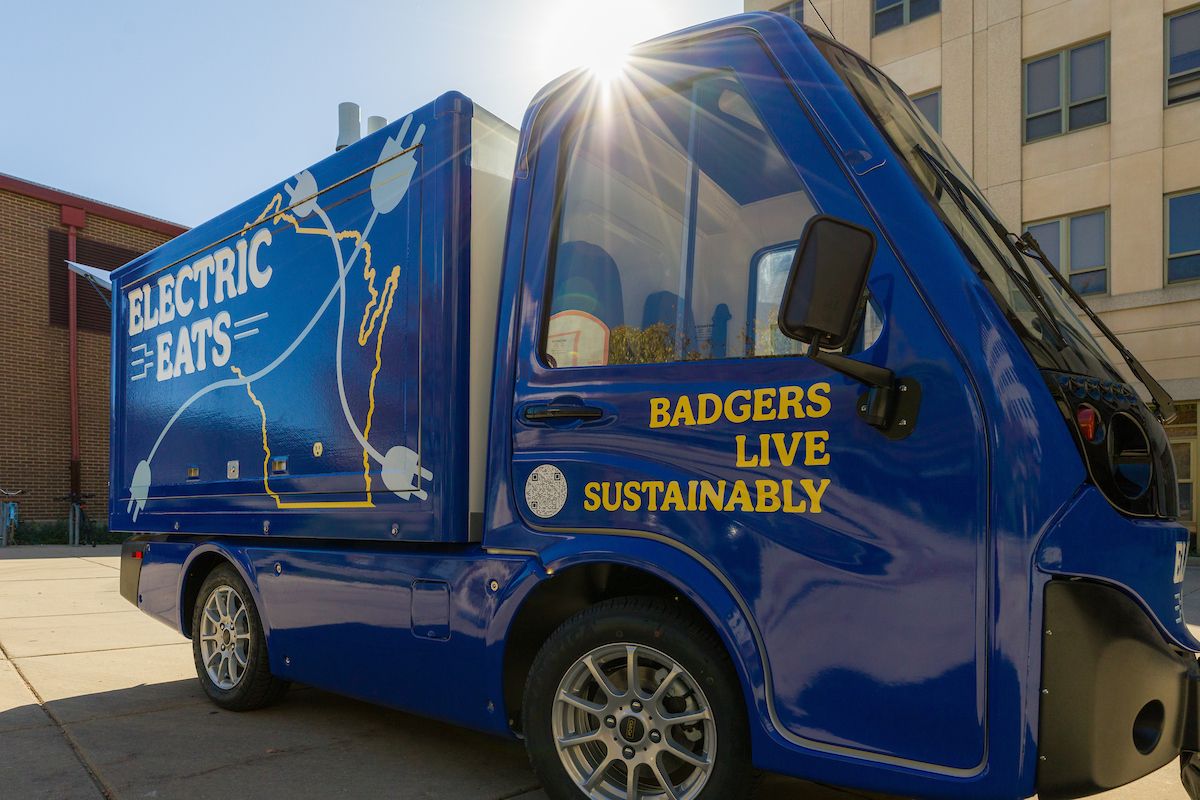
University Housing's all-electric food truck, serving sustainable grab-and-go food at different spots around campus.
Rotating locations around campus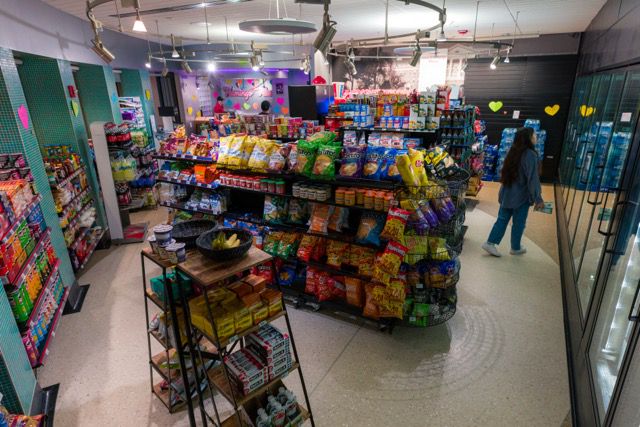
University Housing's convenience stores inside Four Lakes Market (Dejope) and Rheta's Market (Chadbourne): bottled drinks, groceries, school…
Four Lakes Market (Dejope Hall, 640 Elm Dr.) and Rheta's Market (Chadbourne Hall, 420 N. Park St.)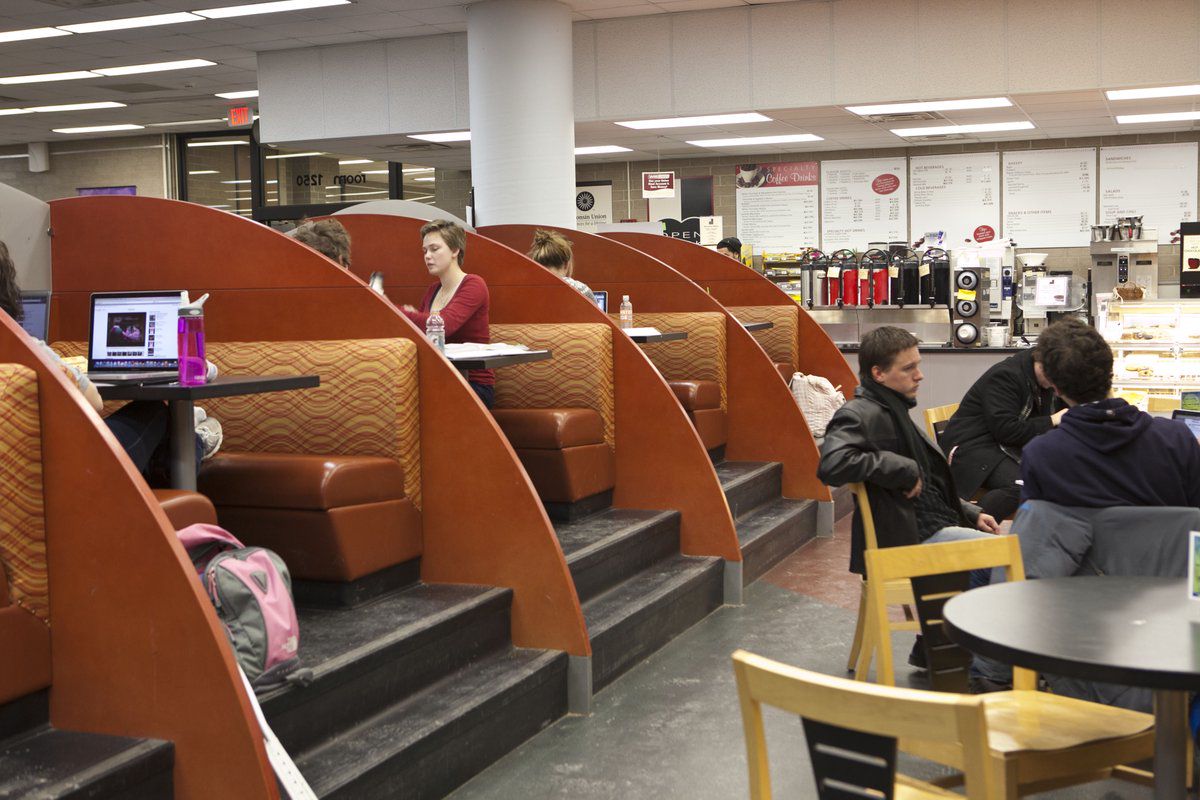
Wisconsin Union cafe on the first floor of College Library: coffee, freshly made sandwiches and snacks, open until 11 pm most nights, which makes it…
College Library, Helen C. White Hall, 600 N. Park St., 1st floor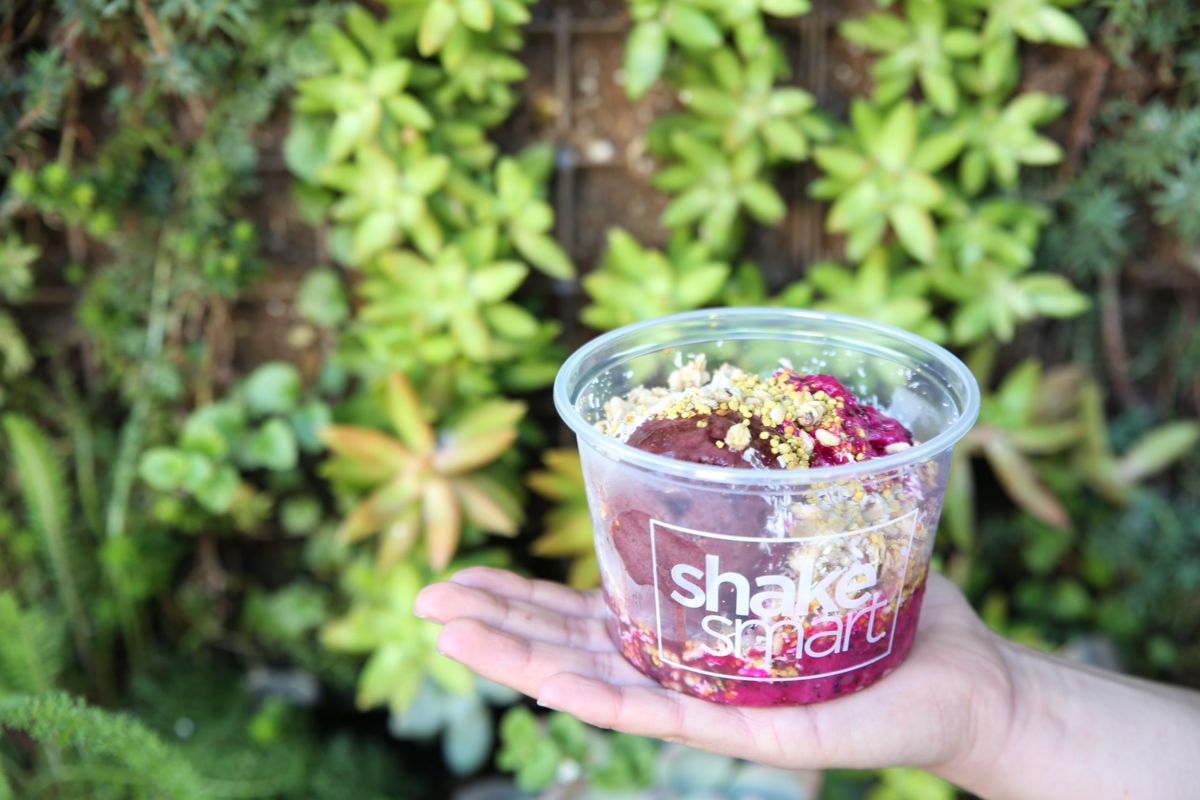
Smoothie and acai-bowl counter run by University Housing inside the Bakke Recreation & Wellbeing Center, handy right after a workout.
Bakke Recreation & Wellbeing Center, 1976 Observatory Dr.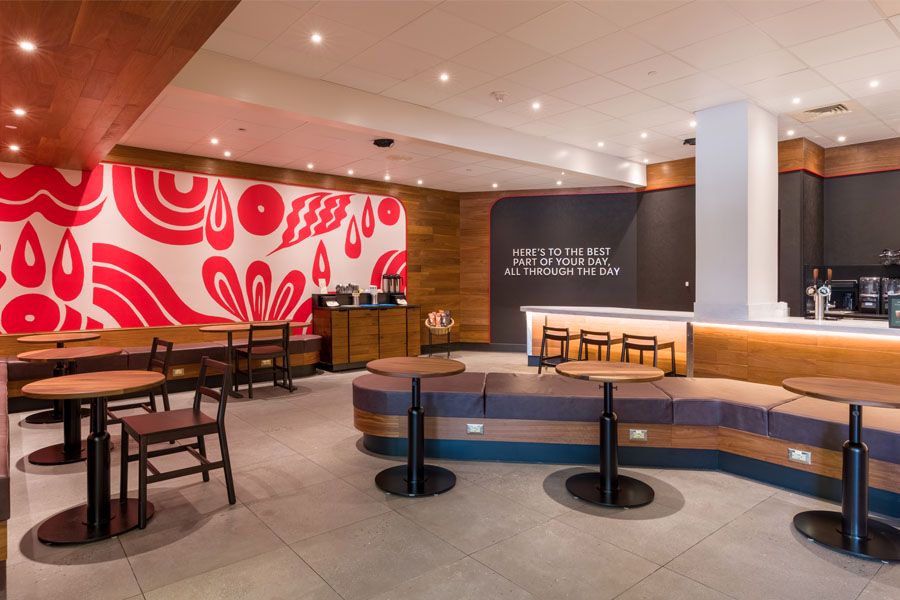
University Housing's Starbucks in Smith Residence Hall, Southeast campus: the full Starbucks drink menu plus pastries and grab-and-go food.
Smith Residence Hall, 35 N. Park St.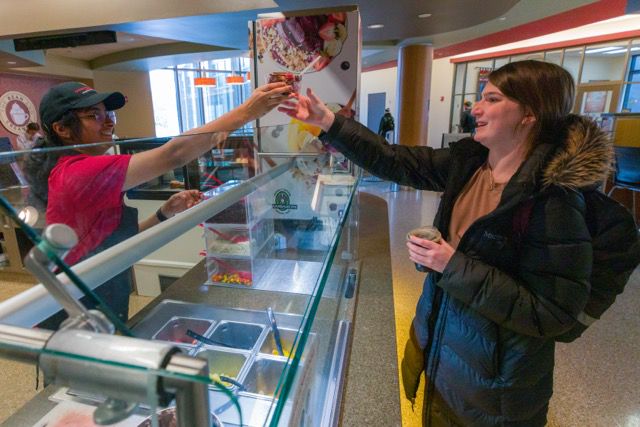
Coffee bar at Four Lakes Market in Dejope Hall: custom coffee drinks, smoothies, acai bowls and grab-and-go items for the Lakeshore neighborhood.
Four Lakes Market, Dejope Residence Hall, 640 Elm Dr.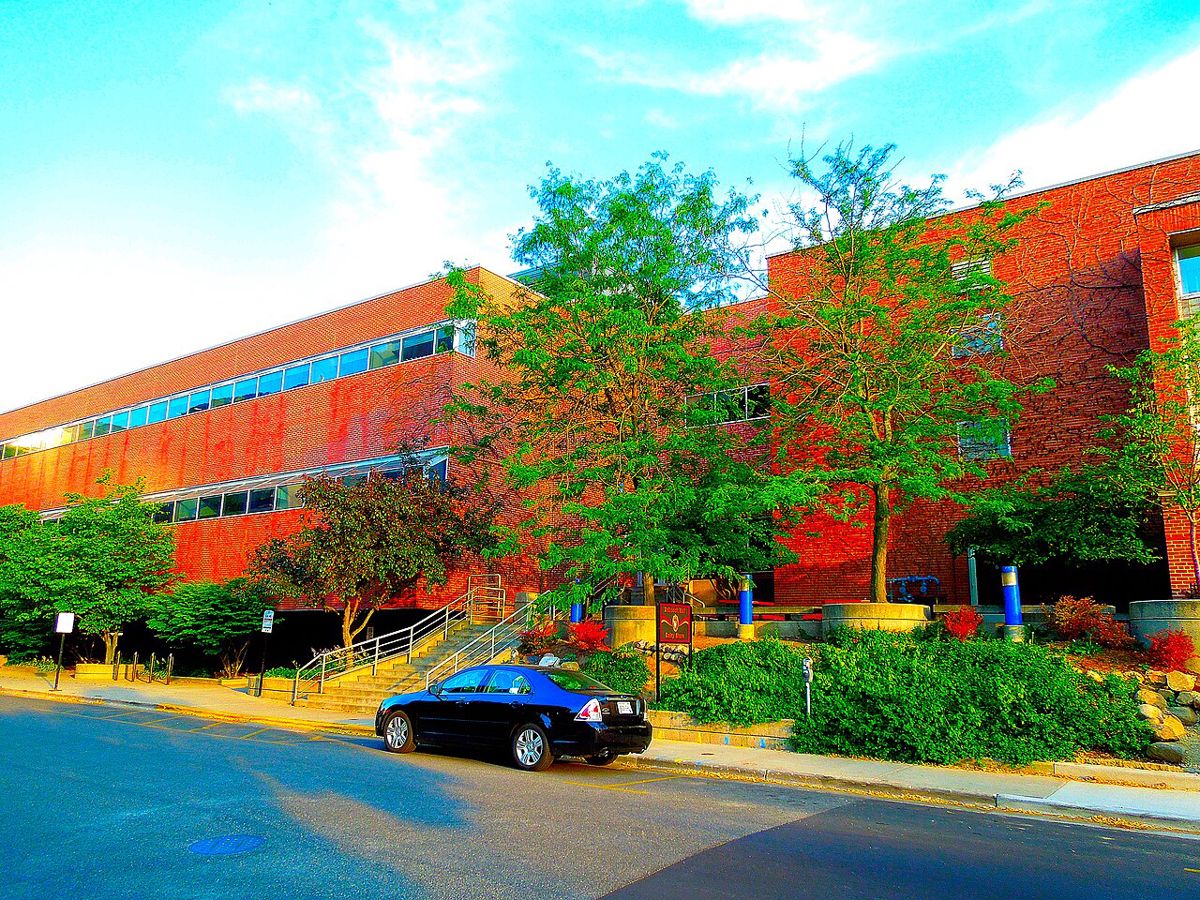
Iconic UW-Madison ice cream and cheese shop using dairy from the university's own cows. A must-visit campus tradition since 1951.
1605 Linden Drive
The food inside Memorial Union (800 Langdon St.): Der Rathskeller beer hall (burgers, curds, 11 am to 10 pm daily), Strada for hearth-fired pizza and…
800 Langdon Street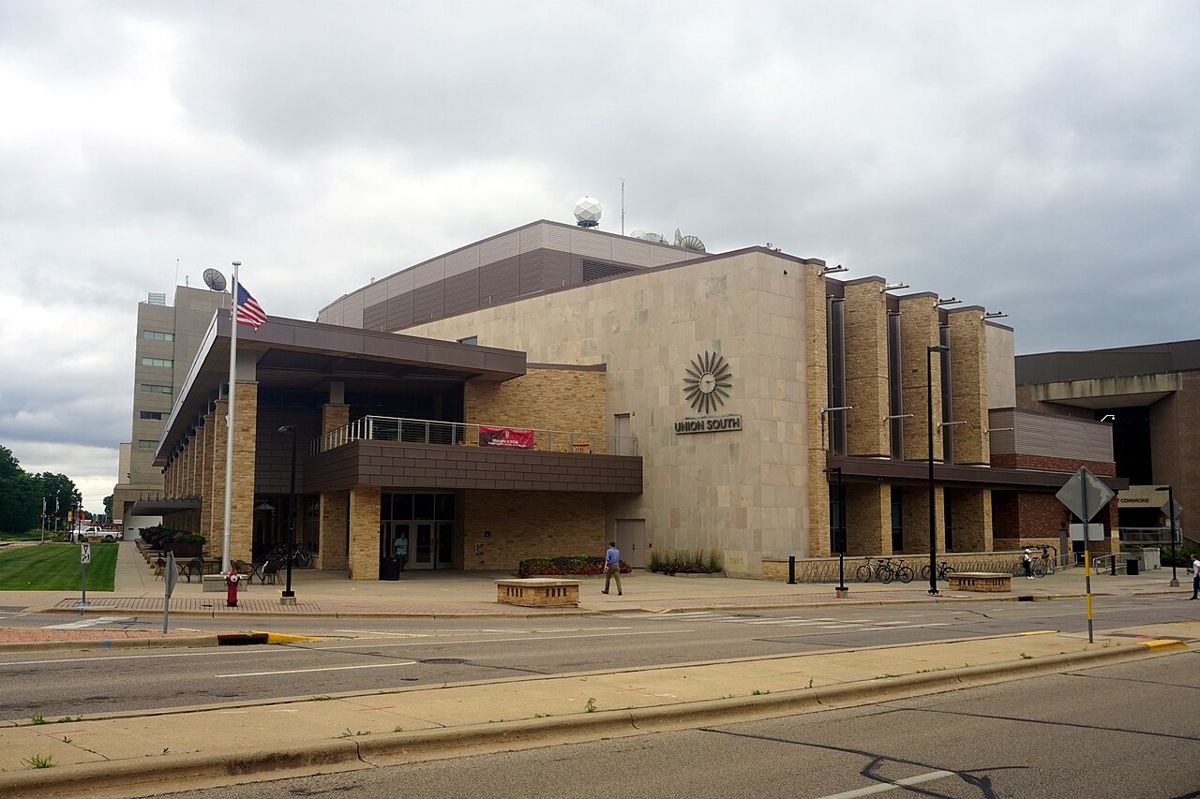
The food inside Union South (1308 W. Dayton St.): The Sett pub (11 am to 10 pm daily), Ginger Root pan-Asian bento bowls, Naan Stop South Indian…
1308 W Dayton Street
The lakeside patio behind Memorial Union with the famous sunburst chairs, Lake Mendota sunsets, the Brat Stand and live music.
800 Langdon StreetResidence halls, apartments and help finding a place.
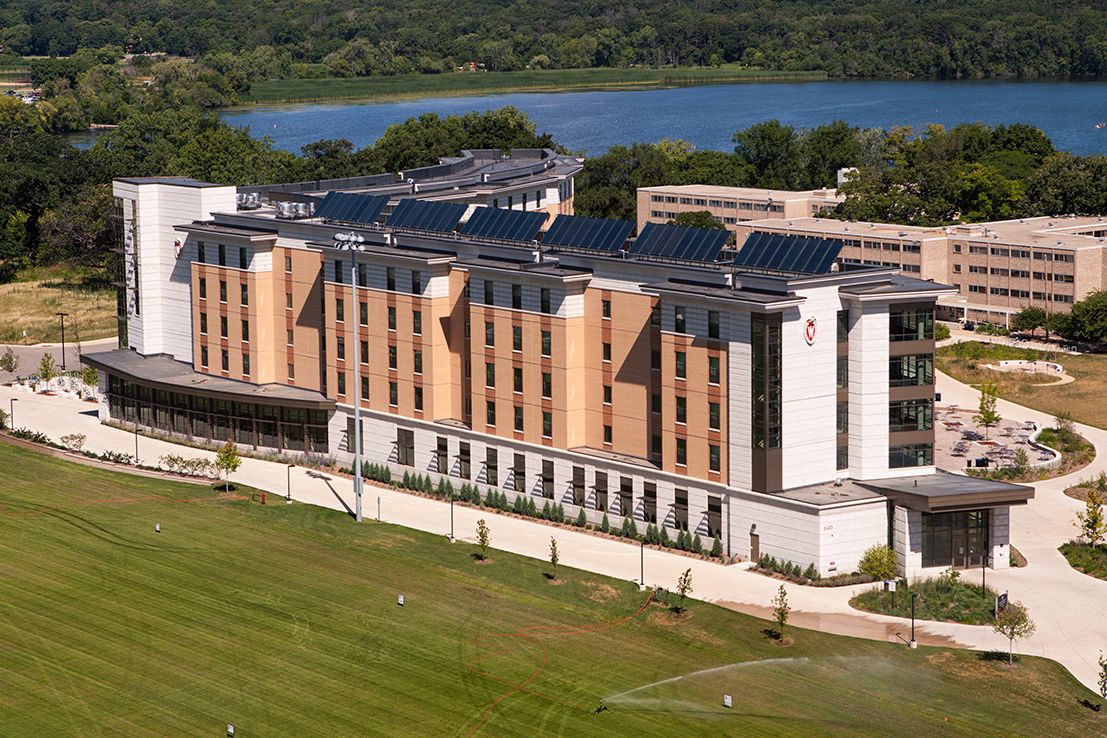
Modern Lakeshore residence hall opened in 2012 with suite-style rooms, Four Lakes Market dining, and green-roof design. Popular with freshmen.
640 Elm Drive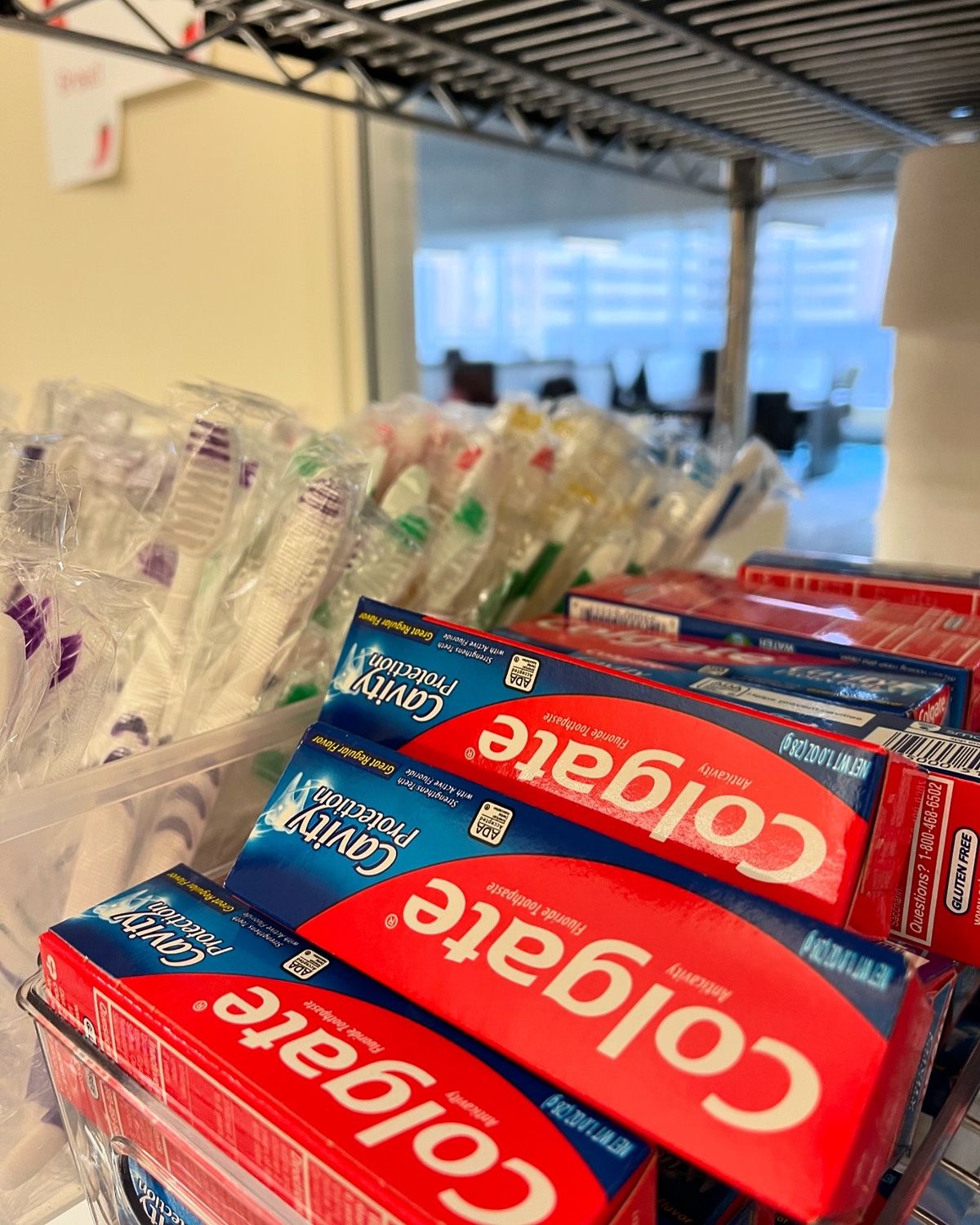
Free student food pantry in the Student Activity Center.
Student Activity Center, 333 East Campus Mall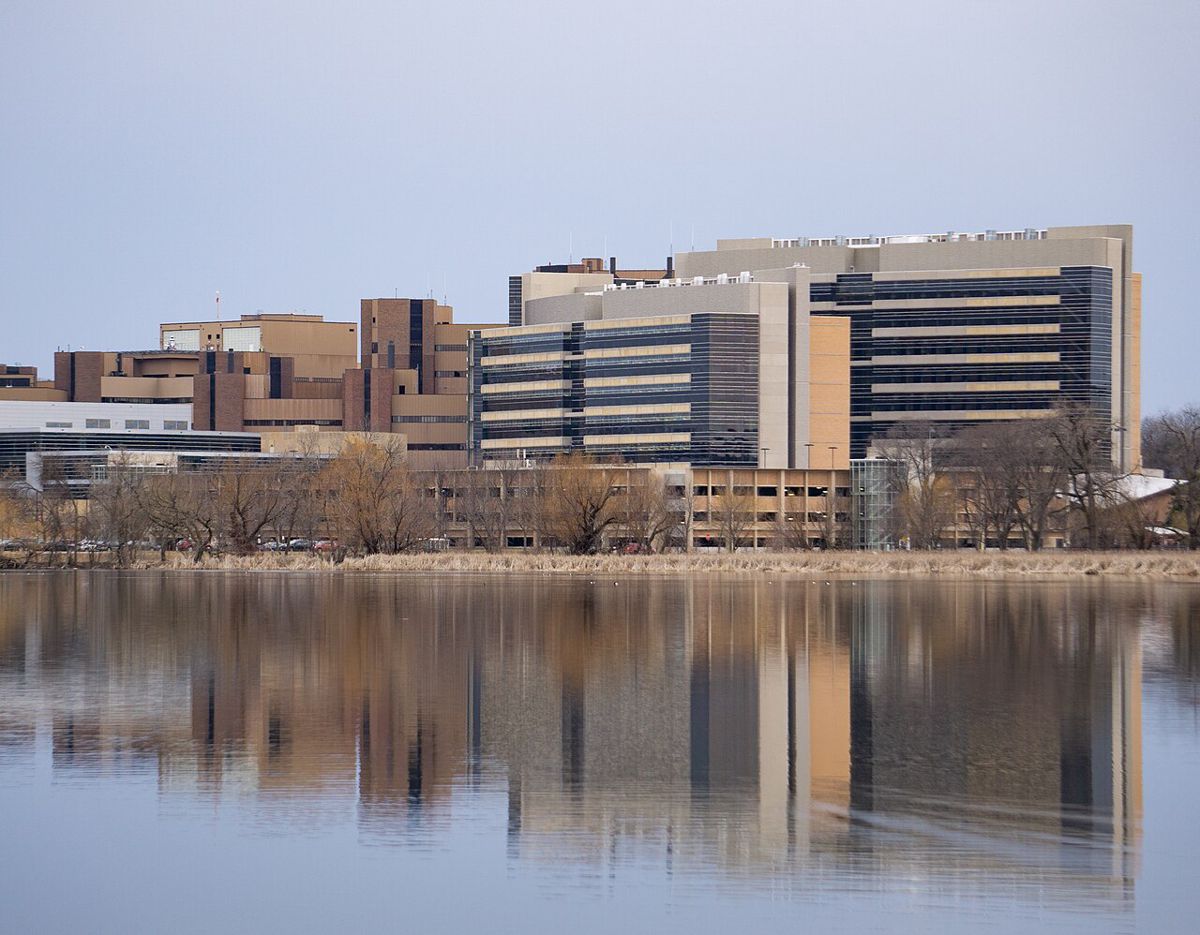
Residence halls along Lake Mendota with a quieter, nature-focused community
Lakeshore Path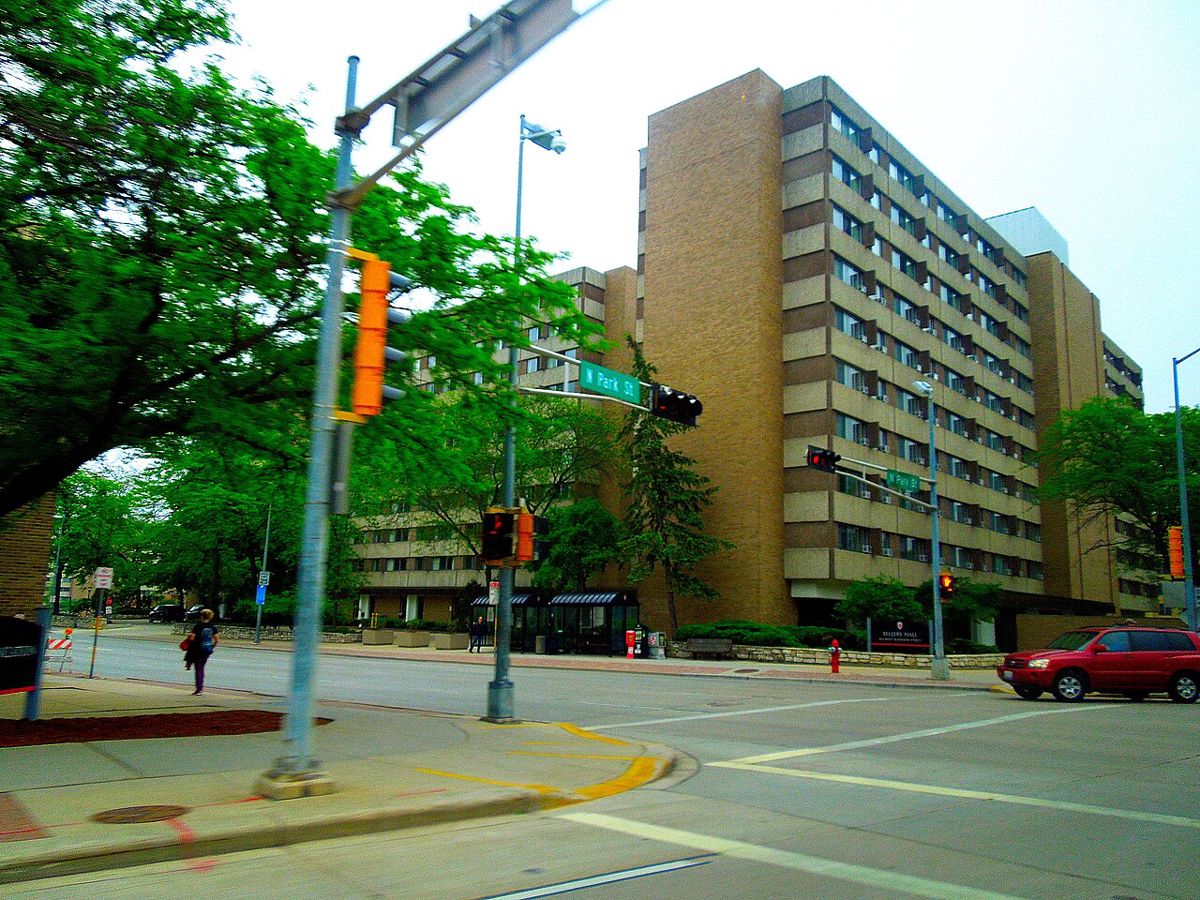
Residence halls in the Southeast neighborhood, close to the Kohl Center and Camp Randall
Southeast campus, around Gordon Dining & Event Center, 770 W Dayton StLarge residence hall in the Southeast neighborhood with Four Lakes dining market
835 W Dayton St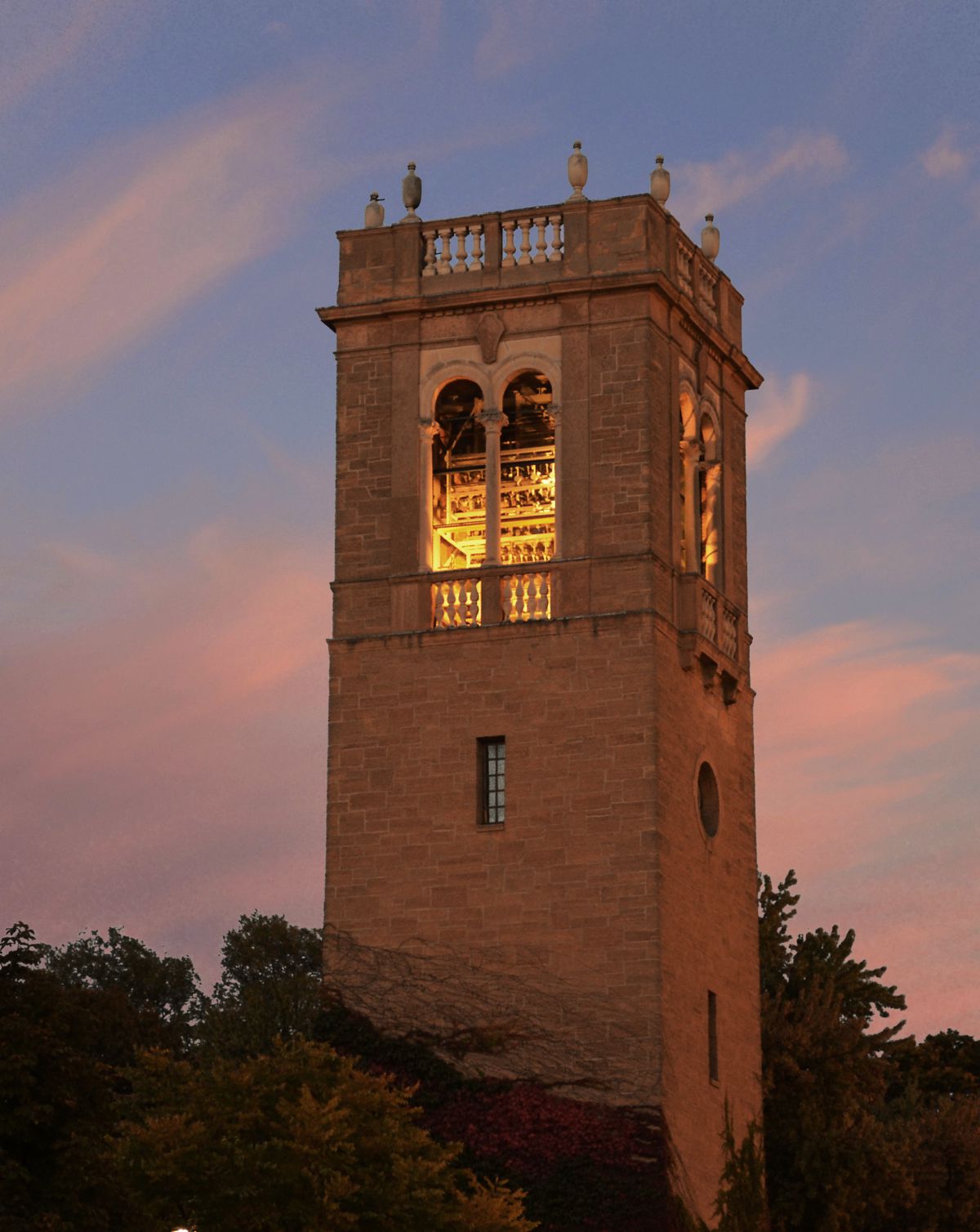
High-rise residence hall in the Southeast neighborhood near Camp Randall
615 W Johnson St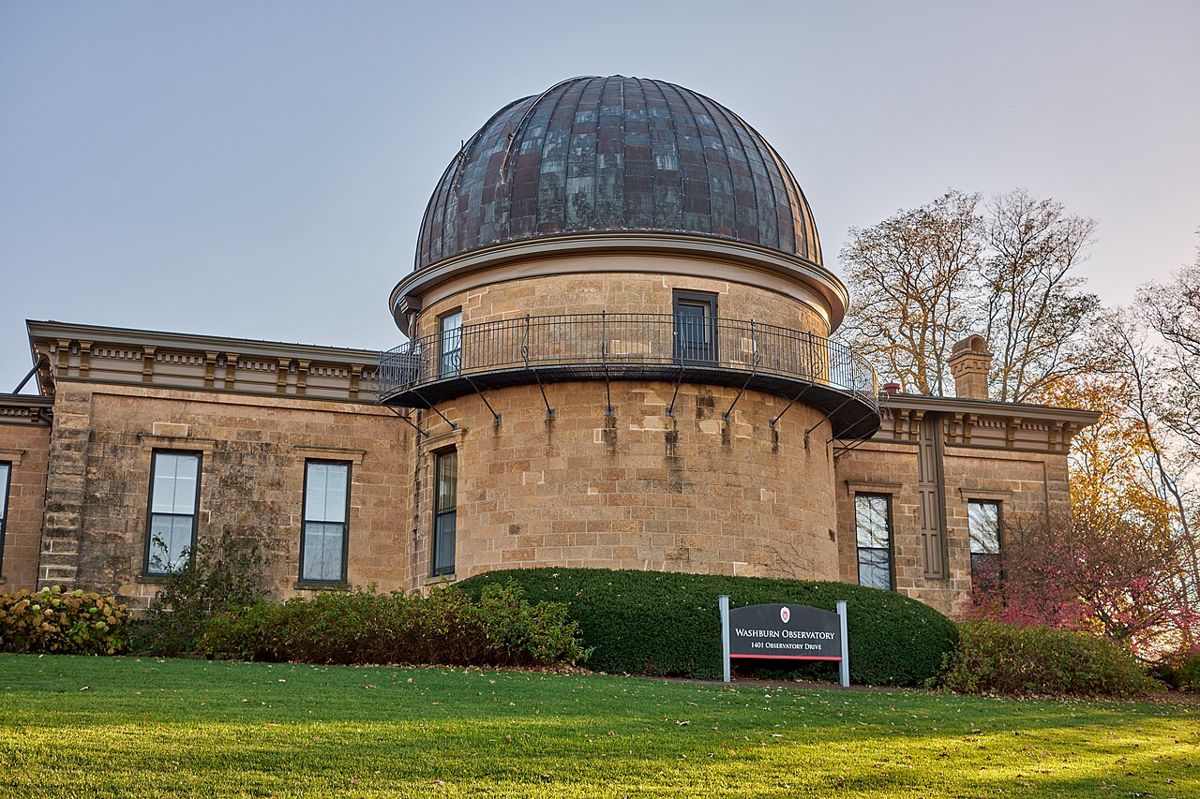
Renovated high-rise residence hall in the Southeast neighborhood
821 W Johnson St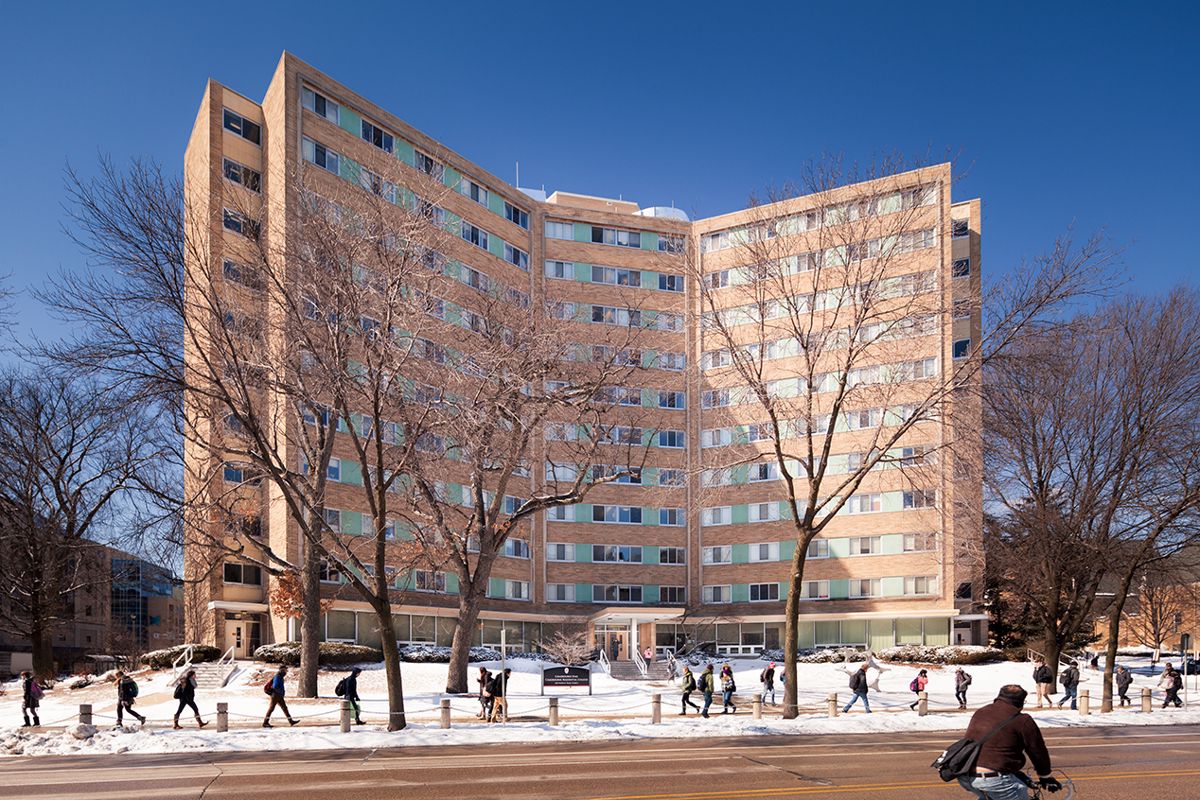
Home of the Chadbourne Residential College (CRC), a popular living-learning community centrally located with Rheta's Market dining connected.
420 N Park Street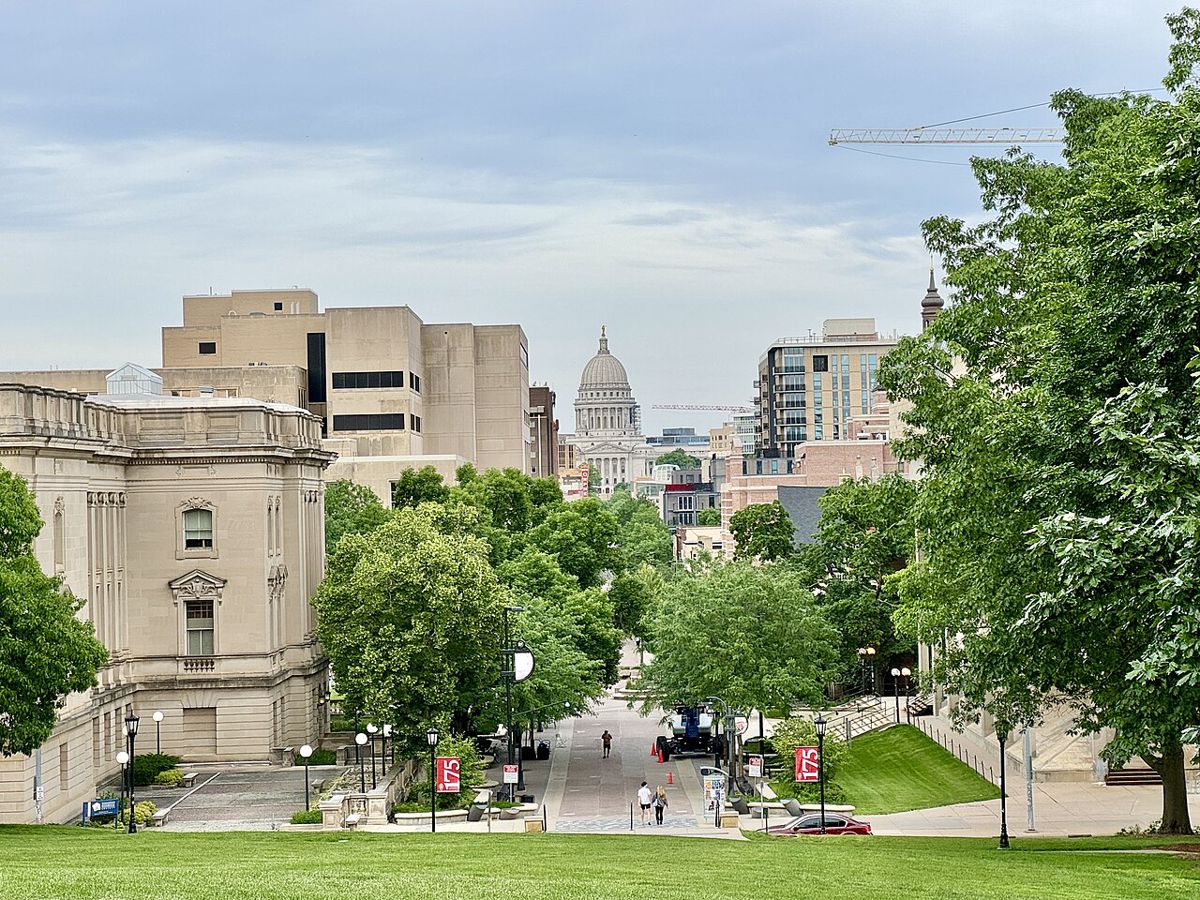
Apartment-style housing for students with families, grad students, and upperclassmen
510 Eagle Heights DrShuttles, parking and accessible rides.
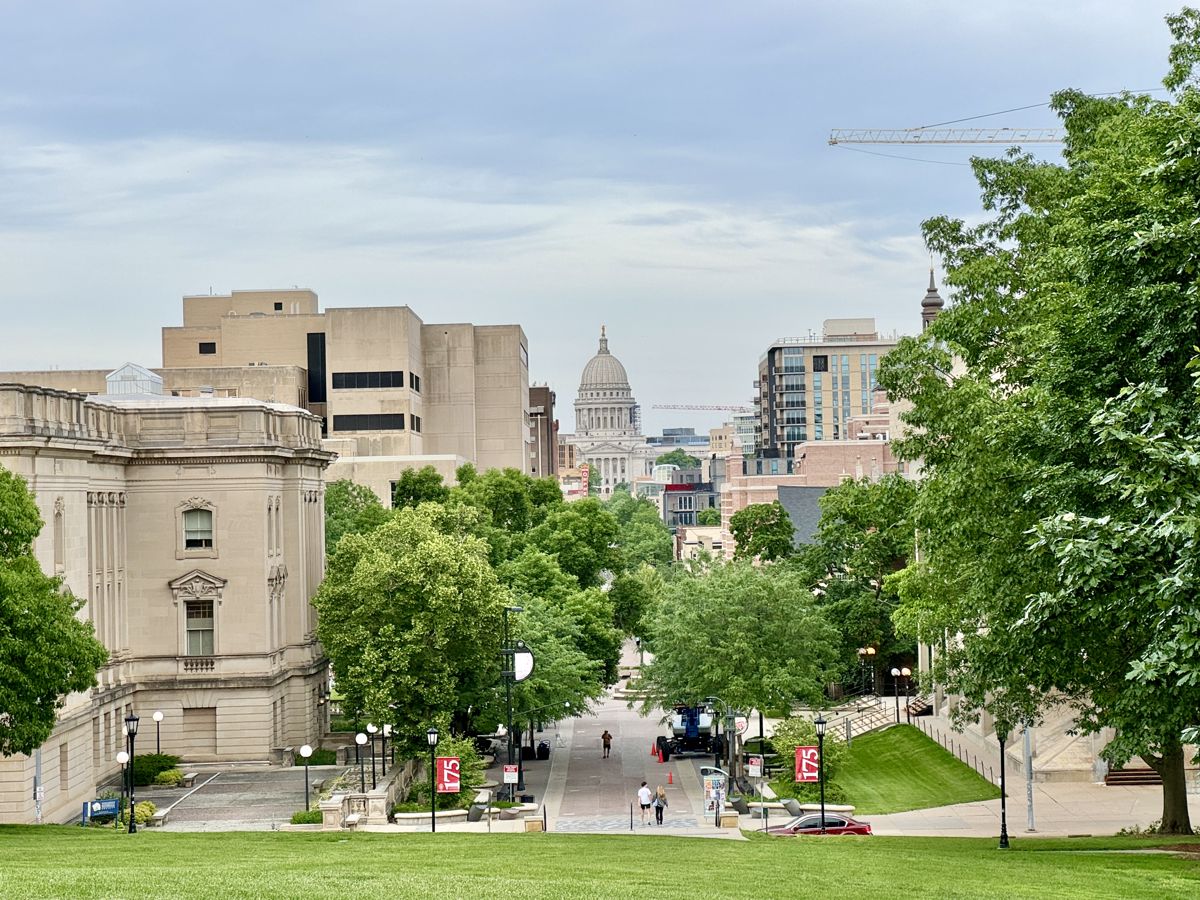
City bus system with free rides for students using Wiscard. Routes connect all campus areas.
1101 E Washington Ave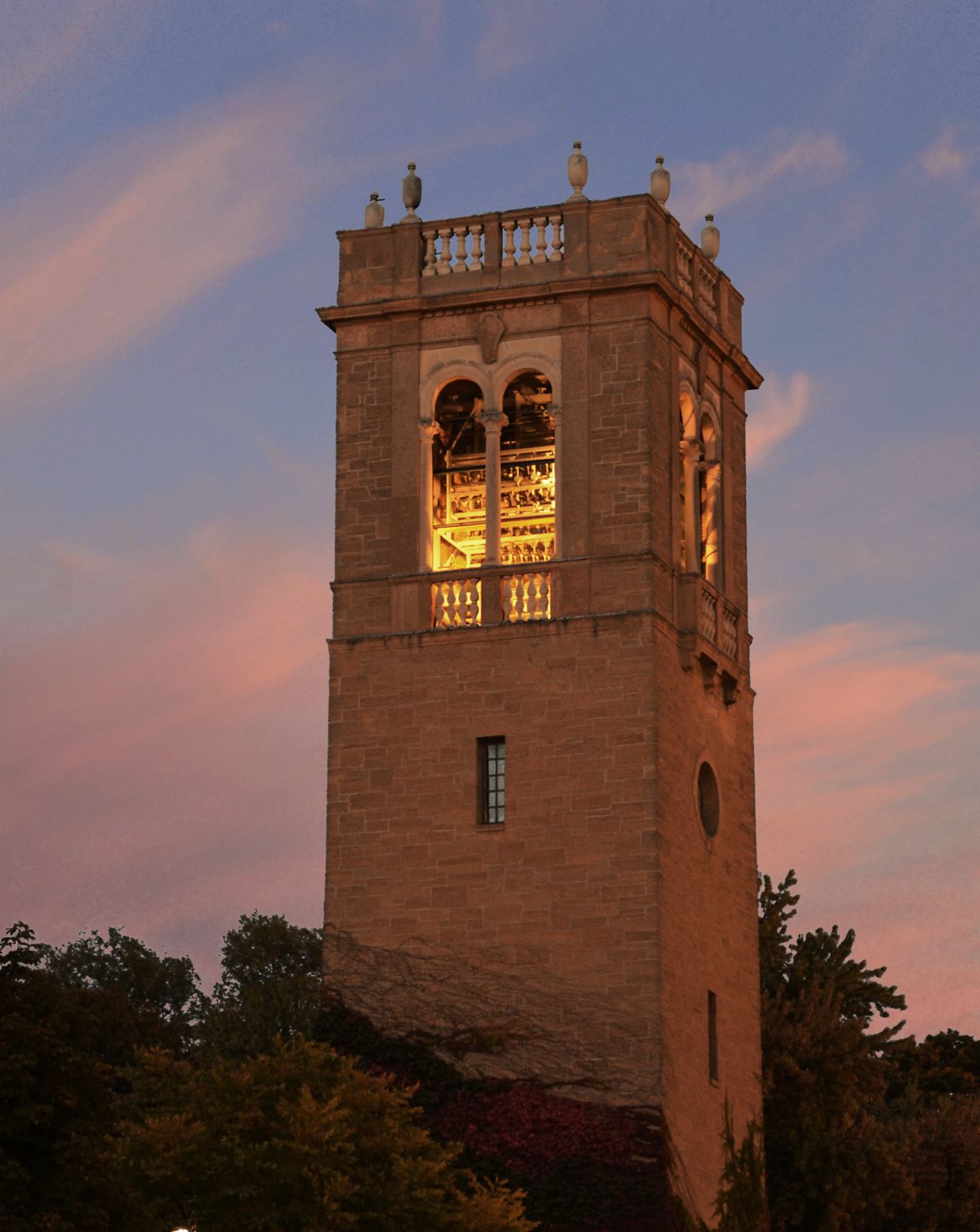
Routes 80, 81, 82, 84 circle campus. Free with Wiscard. Every 10-15 minutes.
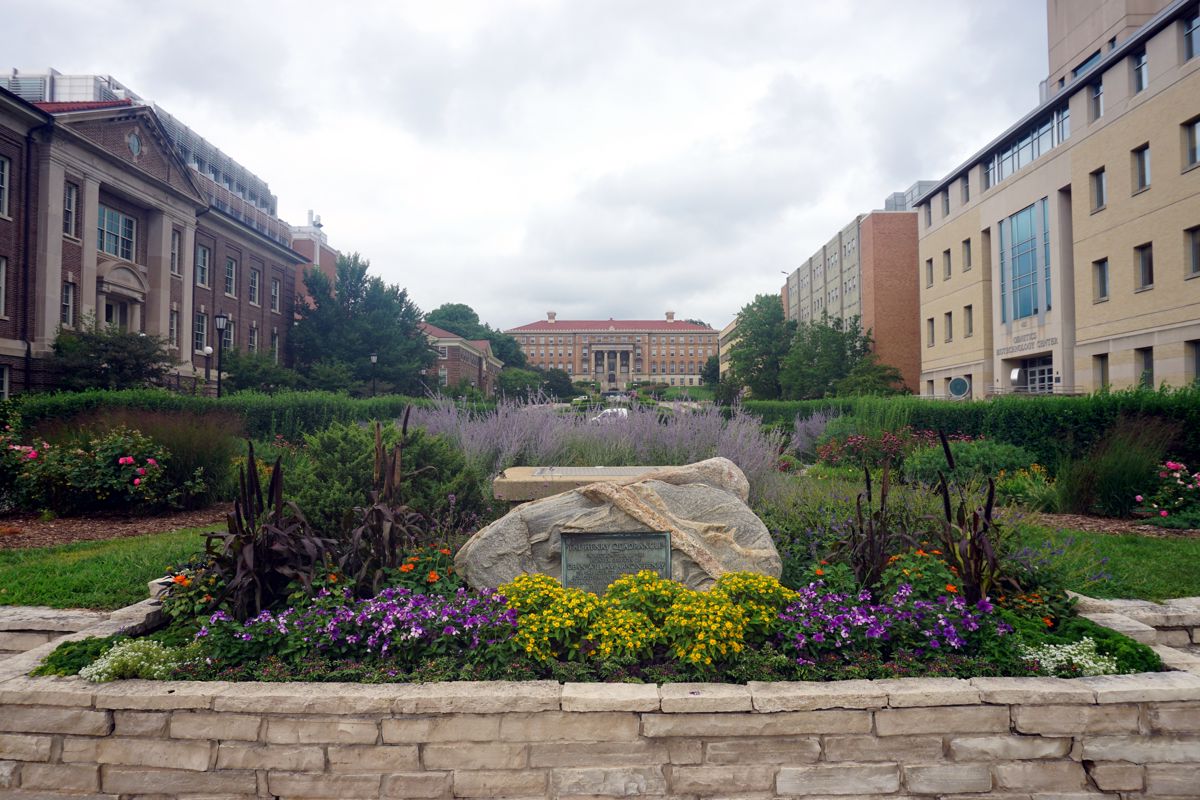
Campus parking permits, garages, and commuter parking. Limited parking due to campus density.
1110 University Ave
Dockless bike share system with stations across campus and Madison. Affordable student rates.
Typical pay 4 years after graduating. Top 6 of 70 bachelor's majors with published pay.
Source: College Scorecard, field-of-study data.
5 things worth doing early
If you first enrolled in college in Summer 2026 or later, you are on a set of general education requirements that did not exist a year ago. The Core GenEd applies to "students who first enrolled at UW–Madison or any other institution of higher education in Summer 2026 or later", and it is a fixed shape: "a total of 30 credits from 10 courses across 6 categories" — Civics & Perspectives (3 credits), Communication & Literacy (6), Humanities & Arts (6), Mathematics & Quantitative Reasoning (6), Natural Science & Wellness including one lab course (6), and Social & Behavioral Science (3). "A course can only have one Core GenEd attribute." Everyone who got here before you is on the old list: "Communication-A: 3", "Communication-B: 3+", "Ethnic Studies: 3", "Quantitative Reasoning A: 3", "Quantitative Reasoning B: 3+", plus breadth in natural science, humanities and social studies. That is the list your RA, your orientation leader and every Reddit thread will tell you to knock out early — and none of those categories exist for you. Two details that matter in week one. A qualifying English placement score lets you swap "3 of the 6 required credits in the Communication & Literacy category with 3 credits of any Core GenEd coursework", and a qualifying math score does the same in Math & Quantitative Reasoning — but placement scores "do not award degree credit", so they change what you take, not how many credits you need. Run your DARS audit, not a friend's.
The policy, UW-1012: "S (Satisfactory) will be recorded when a letter grade of A through C is earned and a failing grade of U (Unsatisfactory) will be recorded when a letter grade of D or F is earned." The registrar's version is blunter: "The D grade is unsatisfactory for Pass/Fail Courses." A D that would have earned credit on a letter grade earns nothing on pass/fail. The limits: "one non-required course on a pass/fail basis each fall and spring semester and/or each summer term for a maximum of 16 credits total during their undergraduate careers", and you "must be in good academic standing" to elect it. Letters & Science lists what can never be pass/fail: "Required courses for a major(s), including requisite courses", General Education, "L&S Breadth," "L&S Language," "L&S Mathematics", and directed study or a senior thesis. S and U grades "are not used in computing the student's grade-point average." And it is a one-way door. Fall 2026's deadline to request pass/fail is September 25, and "After the deadline has passed, requests for the Pass/Fail Grading Option cannot be approved, removed, canceled, or reverted to an A–F grade." So use it on a true elective you might scrape a C in, never on a class you might D.
University Housing: "All residents living in University Residence Halls in the academic year are required to select a dining plan." Every plan is a weekly count — "Unused meals expire at the end of the week and do not carry over to the next week." The week runs Sunday through Saturday and the balance renews "every Sunday at 12:00 am." Ten meals on a Go10 means ten by Saturday night, not ten whenever. Then the default: "If students don't select a plan by their deadline, they will automatically be given the Go10 option." For 2026-27 that is "$2,100" a semester ($4,200 a year) for 10 meals a week and "$100 per semester" in Flex Dining Dollars, no guest meals. Go14 is $2,350 a semester with $150 flex and three guest meals; GoUnlimited is $2,950 with $300 flex. Housing bills "each semester for the dining plan they chose" — or the one they were handed. What does carry over: "Flex Dining Dollars for the 2026-27 academic year carry over throughout your time at UW-Madison." Meal swipes work "only" in the Housing dining markets (Carson's, Four Lakes, Gordon Avenue, Liz's, Rheta's); at Babcock Dairy and the Unions a swipe becomes a "$5 credit". Count your real week before you pick a tier.
The Fall 2026 dates from the registrar: instruction began September 2. September 9 was the "Deadline for students to drop (a) course(s) or withdraw from the university and not have the course(s) appear on their transcript." September 11 is the "Deadline for students to add, swap, or change sections in a fall term course without needing department permission." Read those together: the add window closes two days after the clean-drop window, so the natural move — try a class for a week and a half, then swap out — leaves a mark. The mark is a DR. Letters & Science says it goes on the record "for drops approved after the 'DR/W Notation Deadline'" and that it is "a neutral grade and is not factored into a student's GPA. It does not communicate failure or irresponsibility — it reflects that a student made a choice to discontinue a course." It is also permanent: "L&S does not backdate drops to remove this notation for cosmetic purposes." Pre-med, pre-law and grad-school applicants are told to "review current guidance" with their advising center. The rest of the calendar: November 23 is the last day to drop "without needing academic dean approval"; the last day of classes is December 9. After the deadline a late drop needs documentation of "unforeseen nonacademic circumstances" and is accepted "up to one year following the term of enrollment." So the real decision date on every fall class is September 9 — day seven.
Attach a PDF — a textbook chapter, a lecture deck, a reading, a problem set — and ask Gus about it in plain language. It reads the file, indexes it against the rest of that course's materials, and answers from the page rather than from the internet. It is not only a lookup tool. Ask it to tutor you through something that has not clicked, to quiz you on the key concepts, or to read your draft and tell you what is weak. Because it is scoped to one course, "what is actually on our reading list" is a question it can answer. And it is still the same app that pulls every deadline out of your syllabi and records your lectures. The chat just knows about all of it.
Bucky's Tuition Promise: a Wisconsin resident under $65,000 AGI pays no tuition or seg fees
Left off the video because the UT Austin video ran the same shape of tip the week before. The promise "guarantees scholarships and grants to pay for tuition & segregated fees" for "New incoming Wisconsin resident students that intend to enroll in an on-campus program" whose "family adjusted gross income (AGI) is $65,000 or less". "Incoming first-year students will receive eight (8) consecutive semesters (4 years)"; transfers get four. The FAFSA is the application — deadline "December 1, each year" — and it "only applies to fall and spring semesters and cannot be applied to summer term tuition or fees".
Office of Student Financial Aid — Bucky's Tuition Promise12 to 18 credits is the range; 19 needs a 3.000 and is never first-term
Full-time in fall or spring is "12-18 credits"; anything over the maximum is "subject to additional tuition" and needs your dean's office. Letters & Science spells out the overload rule: you "must have a cumulative University GPA of 3.000 or higher", "Students in their first term of undergraduate enrollment at UW-Madison are not eligible.", and "No UW-Madison student may carry more than 20 credits during the Fall or Spring Term, regardless of where those credits are taken. This is the absolute maximum." Also on the registrar's fee page: a "100% tuition surcharge on any credits over 165" for Wisconsin residents, a "$130 one-time fee" Official Document Fee for every new student, and "$50" for beginning enrollment after the Friday of week one.
Registrar — credit load and rangesL&S — credit overloadRegistrar — fines, fees and holdsRetakes: every attempt counts in the GPA
"Undergraduates may repeat any course, with all grades (A through F) and their associated grade points included in the grade point average, but with credits counted only once for any other purpose." No replacement, no forgiveness — the opposite of the Rutgers rule that runs the same morning. L&S adds: "If a student has already passed a non-repeatable course and earned credit, they will not earn additional degree credit for future attempts."
Registrar — student gradesL&S — repeating a coursePlacement tests are required even with AP credit, and there is a SOAR hold
"Freshman are required to complete: a math placement test. It must be Math B, the proctored version. an English test (UW English or ESLAT)" — and these "are required even if you have other coursework or took credit-bearing exams (for example, AP, IB, CAPP, CLEP, or A-Levels.)" The remote-proctored Math B carries "a non-refundable fee of $40 to schedule this test"; the in-person version and the English and world-language tests are free. "Placement tests must be completed at least two weeks prior to your SOAR/JSOAR session." And "All incoming students have one Fall enrollment hold called 'SOAR Advising Required' that will be released after completing the SOAR program." Separately, University Health Services places "a registration hold" on anyone who has not submitted vaccination records or the attestation of vaccination status by the UHS date.
Testing & Evaluation — placement tests for UW–Madison studentsSOAR — first-year studentsSOAR — FAQs (the enrollment hold)UW Policy Library — UW-2122, vaccination disclosureAlready paid for: the bus, the gyms, the Union, the tutors, the pantry
The ASM bus pass is yours "for students who are enrolled and registered for classes for academic credit at UW-Madison, and who have paid the segregated transportation fee (which is part of tuition)" — "unlimited rides on Madison Metro Transit buses, BRT routes and paratransit vehicles"; pick it up with your Wiscard at 610 Walnut Street, Room 124 or 21 N. Park Street, Suite 1200 (a lost pass is "$25"). "Campus routes 80, 81, 82, and 84 are no-fare buses and do not require a pass to ride." (We stopped putting transit in the videos; this is the fifth school where it is the best free thing.) Rec Well: "Your membership fee is included in your segregated fees. Just bring your valid Wiscard for access to our facilities." — three indoor recreation centers, the pools, the climbing wall. The Wisconsin Union: "Membership fee is included as part of segregated fees paid semesterly"; graduate within 12 months of finishing and a lifetime membership is "$50" instead of "$200". GUTS: "We provide free, on-campus tutoring and study support to all UW-Madison students." — drop-in for biology, chemistry, psychology and sociology, plus weekly small groups. And The Open Seat: "Any University of Wisconsin-Madison undergraduate, graduate, or professional degree student can shop at The Open Seat", Student Activity Center, 333 East Campus Mall, by appointment.
Transportation Services — student bus pass programRec Well — studentsWisconsin Union — membership optionsGUTS — Greater University Tutoring ServiceBasic Needs — The Open SeatGus is not affiliated with, endorsed by, or sponsored by the University of Wisconsin–Madison. Tips checked against UW–Madison's own pages in September 2026. Campus info last updated October 2026. Stats from the U.S. Department of Education College Scorecard. Something out of date? hello@meetgus.app · All campus guides